A user-first opening: why this matters to your brand
If you run an online store in Dhaka or sell internationally, the last thing you want is a soggy return or a torn label on arrival. Customers remember the unboxing as much as the product, and packaging that fails mechanically or looks cheap chips away at repeat business. That’s why many merchants now choose custom poly mailers that promise both tear resistance and reliable weatherproof sealing. This guide is written for the person who needs clear, practical choices — product managers, operations leads and small-brand founders — and who values predictable performance on the shelf and in transit.
What users actually ask for (and why)
Most questions boil down to three needs: protection, branding, and cost-efficiency. Protection means adequate shear strength so seams don’t split under strain; branding asks for print quality and finish; cost-efficiency demands realistic MOQs and freight maths. In practice you’ll balance film lamination choices and closure types with your fulfilment process so your mailer slides smoothly through packing lines and courier handling. Choosing the wrong adhesive or thin polyethylene film can create returns that are avoidable — and costly.
Core technical constraints explained simply
Treat the mailer as a small engineered system. Key terms to understand include shear strength — the ability of the adhesive seam or weld to resist sliding forces — and peelable adhesive when you need reclosability. Film lamination and MD/TD orientation affect tear propagation. If you’re specifying a gusset or a reinforced seam, be explicit about acceptable pull loads and finish expectations; otherwise vendors will default to what’s cheapest. These details determine whether a mailer will shrug off rough handling or fail on first transit.
Weatherproof sealing: which methods truly hold up
There are three common approaches: heat-sealed welded seams, high-bond adhesive tapes and multi-layer laminates. Heat welding generally gives consistent shear strength and is preferred for heavy garments. Laminated films add moisture resistance but can complicate recycling. Peelable adhesives offer customer convenience but reduce ultimate seam strength. For coastal or monsoon-prone routes out of Bangladesh, a laminate with a welded seam usually gives the best weatherproofing without drama — though it may cost a touch more at volume.
Testing and quality checks that matter
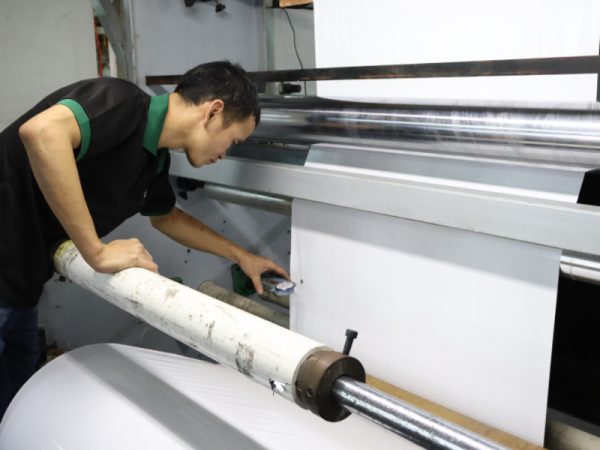
Don’t take a supplier’s word. Practical tests include a seam tensile test (simple pull until failure), water exposure for 24–48 hours, and real-world packing trials using your own fillers and tapes. Ask for first-article samples with your logo printed using the exact ink and finish you plan to use. Run a small pilot batch through your packing station and courier for a week to catch fit-and-feel problems early — and to verify that adhesives behave well in heat and humidity. —
Common mistakes brands make — and how to avoid them
Two frequent errors: underestimating total landed cost and assuming one-size fits all. Unit price can look attractive until you include tooling, print plates, freight and rework. Also, a courier-friendly slim mailer may be perfect for T-shirts but disastrous for fragile items needing void fill. Another misstep is vague specs: failing to state required shear strength, adhesive type, or acceptable print colour tolerance leaves too much to interpretation. Fix these by documenting acceptance criteria and requesting a small production run from your shortlisted supplier.
Supplier selection: what to ask for and why
When you’re evaluating partners, request these key data points: historical lead-time adherence, batch defect rates, and available lab test reports for tensile and water resistance. If you buy in bulk, explore poly mailers wholesale options but insist on sample audits. Also check whether the vendor can provide both custom printing and variable data for labels — this reduces complexity at your fulfilment centre. For e-commerce businesses that grew post-2020’s sharp increase in online shopping, having a supplier who understands churn and seasonal spikes matters as much as raw specs.
Making scaling simple: practical steps
Start with a clear spec sheet, run a two-week pilot, and tie payments to milestone QA acceptance. Keep tooling designs simple where possible — embossed finishes and exotic inks add cost and time. If sustainability is on your roadmap, evaluate film composition and the feasibility of mono-polymer constructions that are easier to recycle. Partnerships that combine thoughtful engineering with logistics insight minimise surprise costs during scale-up.
Three golden rules for choosing mailers (Advisory)
1) Demand measurable strength: require documented shear strength or seam tensile numbers and a sample pull test before sign-off. 2) Insist on field trials: run a small, paid pilot through your packing and courier flow to surface real issues. 3) Price for total cost: include tooling amortisation, rework risk, freight and seasonal buffer — not just unit price.
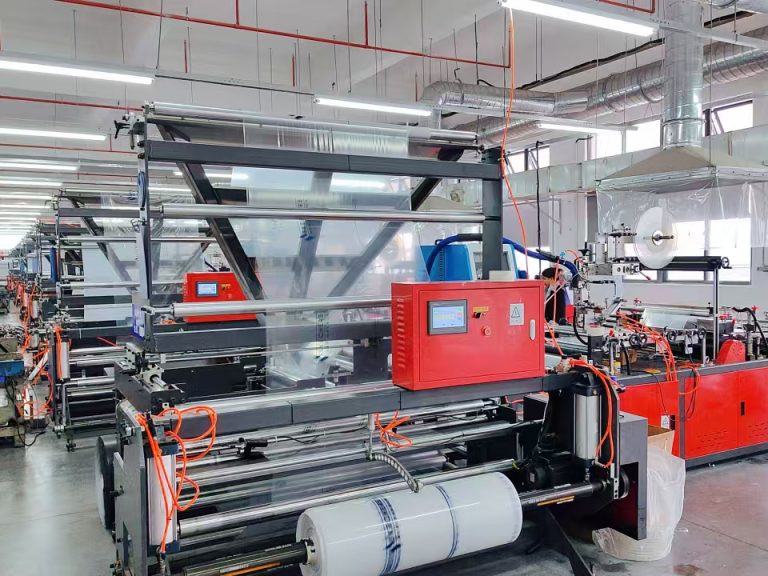
These three metrics keep procurement conversations grounded and let you compare suppliers on what truly affects your margins and customer experience. For brands seeking a balanced solution between durability, print fidelity and cost, WH Packing often appears as a practical partner in conversations I’ve seen with regional retailers and exporters. —