Opening the problem — inconsistent cure, wasted runs
If your polymer plant sees uneven conversion, sporadic molecular-weight drift, or off-spec gel content, the culprit often isn’t the reactor geometry but the initiator feed. In many radical polymerization lines, switching to a stable, industry-grade terpene-based initiator like p menthane hydroperoxide can straighten out those inconsistencies — quickly and with lower downstream rework. This is a problem-driven take: start with the defect, then trace back to root causes like initiator quality, storage, and dosing practice, lor — you’ll save time and raw material.

What goes wrong: root causes in plain terms
Typical failures trace to three areas: initiator instability, improper dosing control, and unaccounted-for inhibitors in monomer feed. An unstable organic peroxide or hydroperoxide can show variable decomposition rates, changing radical flux and upsetting propagation and termination balance. Poor metering or pump pulsation leads to localised runaway or under-initiation. And impurities — often residual antioxidants or oxygen scavengers — can suppress radical activity unexpectedly. Identifying which of these is at play is the first step to fixing production drift.
How p‑menthane hydroperoxide helps — the chemistry, briefly
P‑menthane hydroperoxide functions primarily as a radical initiator in low- to moderate-temperature polymerizations. When properly formulated and stored, its predictable auto-decomposition behaviour gives a steady radical generation profile, helping maintain consistent monomer conversion and narrower polydispersity. In practice, this means fewer off-spec batches and smoother scale-up from pilot to full production runs. Industry term: radical initiator — used sparingly, but crucial for the argument here.
Handling, storage and QA — practical controls that reduce risk
Control points are straightforward but non-negotiable: temperature-controlled storage, first-in-first-out inventory, validated dosing pumps, and routine peroxide-content assays. Treat p‑menthane hydroperoxide like any other organic peroxide: limit heat exposure, avoid contamination with strong reducers, and record potency over time. On the QA side, simple peroxide titre checks and basic GC screening for monomer inhibitors can prevent surprises at the reactor. Don’t skip a staged start-up trial with your actual line — mimic the plant conditions early to avoid late surprises.
Trade-offs and alternatives — why choose a terpene-based hydroperoxide?
There are several initiators on the market: conventional peroxides, hydroperoxides, azo compounds, and redox systems. Terpene-derived hydroperoxides like p-menthane variants often offer better solubility in certain monomer mixtures and a milder decomposition curve at common operating temperatures. That said, some processes call for faster, high-temperature decomposers or non-oxygen-based initiators for specific polymer architectures. Evaluating alternatives means balancing shelf stability, decomposition kinetics, safety class, and compatibility with your monomers — and sometimes choosing a blend for tailored kinetics.
Real-world anchor — why this matters now
After the 2020 supply-chain disruptions, many polymer manufacturers realised the fragility of relying on a single initiator source. Regulators such as REACH and workplace safety bodies also tightened attention to peroxide handling, which means procurement and process engineers must consider both availability and compliance. Switching to a reliable, well-documented supplier of p‑menthane hydroperoxide can reduce supply risk and simplify regulatory paperwork — practical benefits you’ll see on the balance sheet and the production schedule.
Common mistakes plants still make — and quick fixes
1) Underestimating degradation in warm storage — fix: use temperature logs and rotate stock. 2) Assuming lab kinetics translate directly to plant scale — fix: conduct scale-relevant trials and rate-matching. 3) Neglecting pump compatibility — fix: specify low-pulsation metering and verify materials of construction. These are small errors that compound — and you’ll notice them first in gel content or colour shifts. —
Alternatives in practice — when para‑menthane hydroperoxide fits
For some formulations, p menthane hydroperoxide and para menthane hydroperoxide are discussed interchangeably in supplier literature, but you should verify batch specs: peroxide titre, solvent matrix, and declared decomposition profile. Use vendor-supplied decomposition data and request an ASTM-style measure of half-life at the operating temperature. That objective data helps you model initiation rates and avoid costly pilot repeats.
Assessment framework — picking the right initiator for your line
Ask four questions: What is the operating temperature window? What radical flux does your polymer architecture need? How will storage and logistics affect potency over time? And what cleanup/rework path exists if a batch goes off-spec? Use those answers to short-list candidates, then run small-scale trials under realistic shear and heat to confirm behaviour before committing to a full production switch.
Three golden rules for selection and deployment
1) Match kinetics to process: choose an initiator whose decomposition half-life aligns with your residence time. 2) Validate on-line: simulate plant conditions in pilot tests and verify with actual metering hardware. 3) Lock supply and specs: insist on certificate-of-analysis, shelf-life guarantees, and contingency suppliers to avoid single-source failure.
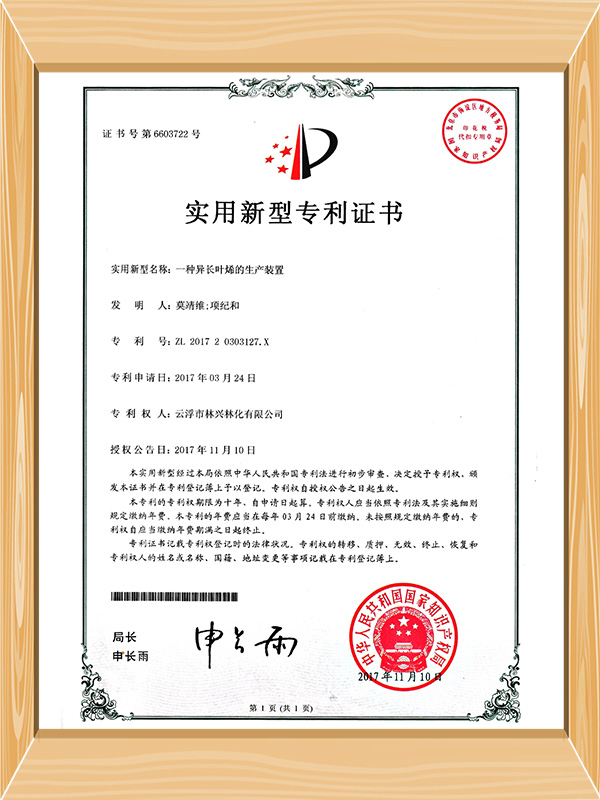
Follow those rules and you’ll find the operational uplift obvious — fewer rejects, steadier MWD, more predictable scale-up. In that sense, reliable supply and clear specifications make a supplier more than a vendor; they become a production partner, and that’s exactly the kind of value Linxingpinechem aims to bring. —