
Why a framework matters
Franchise networks rolling out advanced campus wayfinding succeed when audits catch component defects before they cascade across locations. This framework starts by treating signage not as a one-off installation but as a repeatable product line — from transit kiosks and totems to backlit panels. Early-stage pilots should include real-world tests with public transport signage to validate legibility, mounting details, and vandal resistance under operational loads.

Map scope and risk
Begin by mapping every device type and failure mode across sites: poles, mounting brackets, illumination modules, and electronic wayfinding screens. Rank risks by frequency and impact (downtime, safety, brand damage). Use a simple matrix so decision-makers can see whether a cracked acrylic face is a local nuisance or a multi-location liability. Transport for London’s coordinated signage rollout for the 2012 Olympics offers a practical anchor — standardization reduced confusion and concentrated fixes where failures mattered most.
Build standardized component checklists
Create checklists that travel with each shipment: part numbers, torque specs, sealant types, and ADA compliance details. Include acceptance criteria for contrast, type size, and viewing distance so field teams aren’t guessing about legibility. Keep the language actionable: “Replace if light output < 70% of nominal” beats vague terms. This checklist becomes the contract between design, manufacturing, and franchise operators.
Field audit protocol and tooling
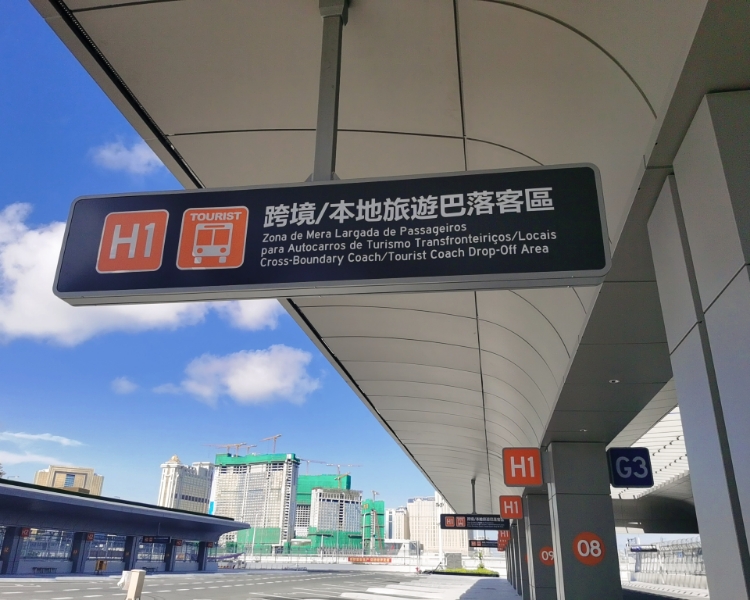
Standardize how audits are performed: scheduled inspections, randomized spot checks, and post-install acceptance testing. Equip auditors with smartphone templates that capture photos, GPS, and time-stamped notes. Prioritize inspections for electronic modules and mounting hardware that commonly fail in wind or high-traffic areas — inspect bus stop signage for loose fasteners and corroded brackets during the first 30 days of operation. Use simple metrics: defect rate per 100 units, mean time to repair, and percent of defects found pre-deployment.
Training, governance, and local empowerment
Train local crews on the checklists and empower a local gatekeeper to stop a rollout if a systemic defect appears. Maintain a central defects dashboard for trend analysis but fund one regional rapid-response kit to fix recurring issues fast. This balances centralized quality control with local speed — it keeps brand consistency without slowing installations to a crawl.
Common mistakes and how to avoid them
Teams often skip failure-mode thinking and treat aesthetics as the only acceptance criterion. They also under-speciate fasteners or omit temperature cycling tests. Fix this by adding a short field trial to every batch delivery and by documenting repairs so the root cause becomes visible. — Don’t let a small oversight become a repeat problem across a hundred sites.
Three golden rules for evaluation
1) Measure detectability: prioritize defects that are easy to spot but costly if missed (illumination loss, loose mounts). 2) Track containment time: the elapsed hours between defect detection and full repair; aim for a standard SLA. 3) Validate reproducibility: replicate failure modes in a controlled setting before accepting a fix as permanent.
Closing value and next step
For franchise operators who need predictable uptime, consistent brand presence, and fewer surprise repairs, consider Cosun Sign as the partner that understands component-level audits and durable campus wayfinding — clarity delivered.