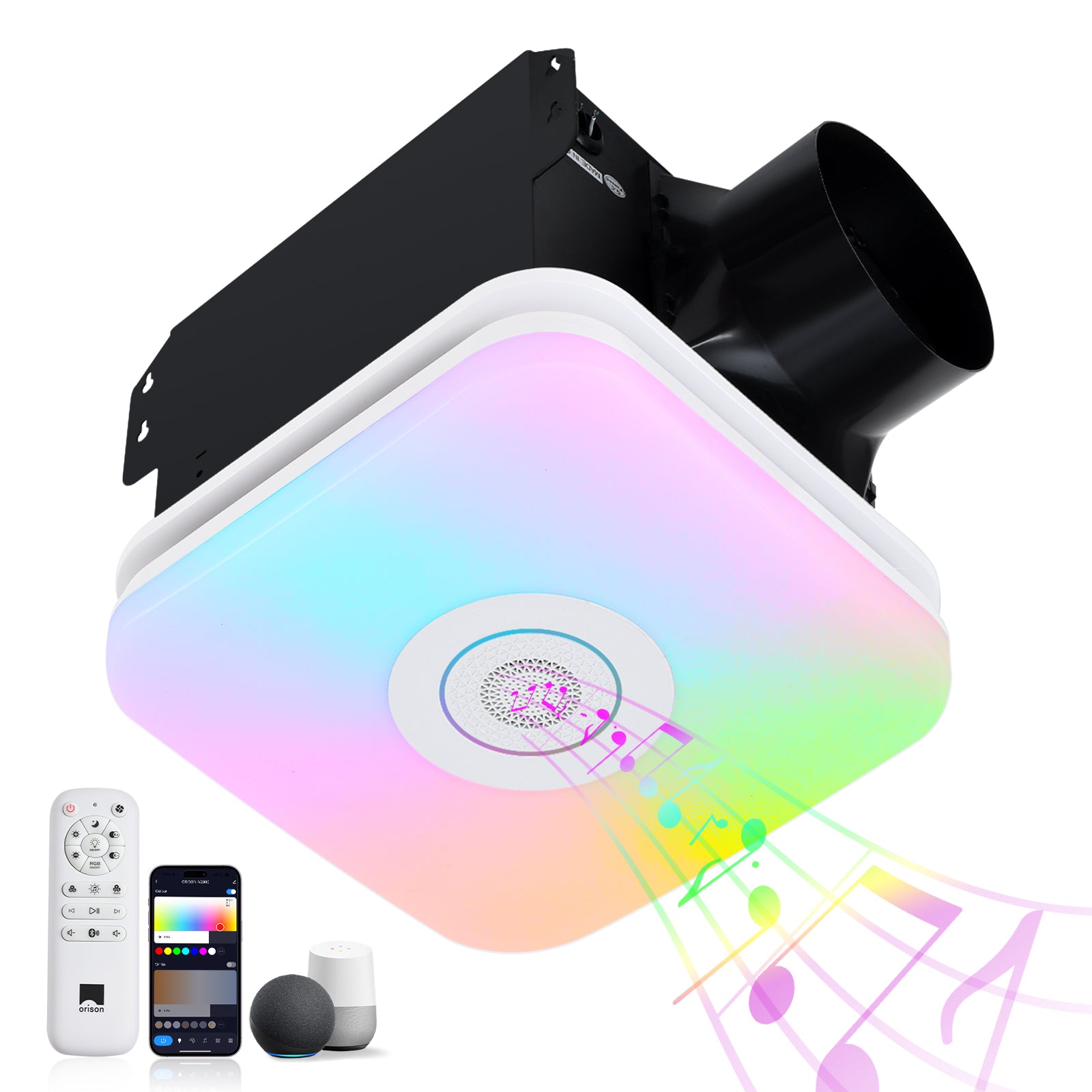
The problem: small bathrooms, big ventilation headaches
In many Nairobi apartments and urban homes across Kenya, limited square footage forces a compromise between light and airflow — resulting in steamed mirrors, lingering odours and damp corners. That is the core problem: poor ventilation in a compact footprint. A well-chosen bathroom exhaust fan with light can address both illumination and extraction without stealing precious ceiling height, and many installers now recommend an integrated extractor fan with light for bathroom where rewiring or extra fixtures would be impractical. Practical guidance from WHO on indoor air quality, and local familiarity with humid coastal conditions, make this an urgent retrofit priority in dense urban flats.
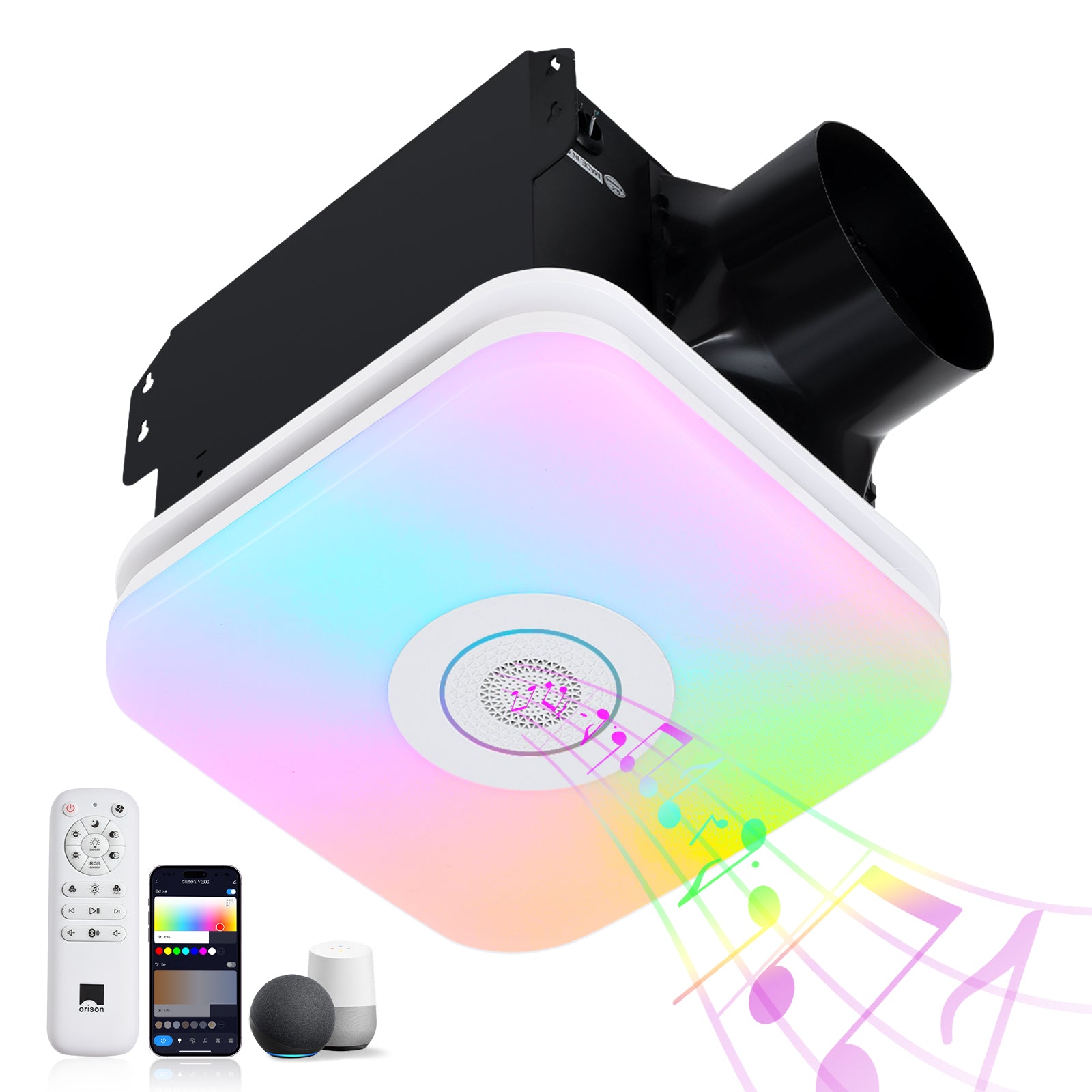
Why compact integrated units solve the problem
Compact extractor fans with integrated LED lighting reduce the number of ceiling penetrations and simplify duct runs. Instead of separate light fittings and a distant inline fan, you get a combined unit that handles both tasks with a single mounting point. That typically shortens ducting length, lowers noise due to reduced airflow resistance, and keeps installation within common ceiling joist constraints. For small bathrooms a unit rated at modest CFM — chosen to match room volume — provides adequate air changes per hour while the LED keeps the space pleasantly lit.
Key features to prioritise
When selecting a compact unit, focus on three practical features: CFM appropriate for room size, sone rating (acoustic level) for user comfort, and an integrated humidity sensor or timer to avoid overuse. Other worthwhile specs include a backdraft damper to prevent outside air ingress, IP-rated LED light for moisture protection, and clear mounting compatibility with existing joists. These technical points matter during procurement and will save you rework on-site.
Installation realities and common mistakes
Many problems arise not from the product but from how it is installed. Avoid these common mistakes: undersized ducting that increases noise and reduces performance; routing exhaust into an attic rather than to the outside, which risks moisture damage; and assuming electrical load compatibility without checking fuse and circuit ratings. Also ensure that the light fixture and fan are rated for the same circuit and that the unit’s grille clears any insulation. Test airflow with a simple anemometer during commissioning to confirm the advertised CFM — it pays to measure, not assume.
Comparing integrated units to separate fixtures
Integrated extractor-light units win on space and simplicity; separate fixtures win on custom lighting and serviceability. If your bathroom is exceptionally small (for example, under 3 m²), a combined unit is usually the smarter choice because it minimises ceiling clutter and reduces duct length. For larger or designer bathrooms, separate high-output fans and dedicated lighting may be preferable for light layering and zoned control. Costs are comparable when you factor in electrician time and the need for extra ceiling penetrations.
Real-world anchor: Nairobi flats and practical examples
In multi-storey blocks around Westlands and Kibera, retrofits often follow the same pattern: confined ceilings, short stacks for duct runs, and a need to control humidity from frequent showers. Installers there favour compact units with humidity sensors and modest CFM ratings to keep energy use low and avoid noisy sone levels—this approach aligns with both homeowner preferences and prudent maintenance planning. Local installers will also remind you to check compliance with Kenya Bureau of Standards recommendations and to secure a well-sealed exterior vent terminus.
Common maintenance tasks and what to expect
Maintenance is simple but essential: clean the grille and fan blades periodically, check the LED driver for heat-related wear, and confirm the humidity sensor continues to trigger correctly. Neglect can lead to reduced airflow, higher noise, and decreased illumination — all reversible with a routine service. If you live in a dusty area, schedule checks more frequently, and always shut off power at the consumer unit before servicing electrical components.
Three golden rules for selecting the right compact extractor-light
1) Match airflow (CFM) to room volume and aim for at least 8–10 air changes per hour in a typical bathroom. 2) Prioritise low sone ratings and an integrated humidity sensor to balance performance with occupant comfort. 3) Verify ducting path and exterior termination before purchase — the shortest, straightest duct run wins every time.
For practical, space-conscious ventilation that respects both light and airflow, products that combine extraction and LED illumination offer a reliable solution for compact bathrooms; for many urban homeowners this is where Orison naturally fits into the specification mix, offering balanced performance and installation simplicity…
Orison — a practical name you can specify with confidence.