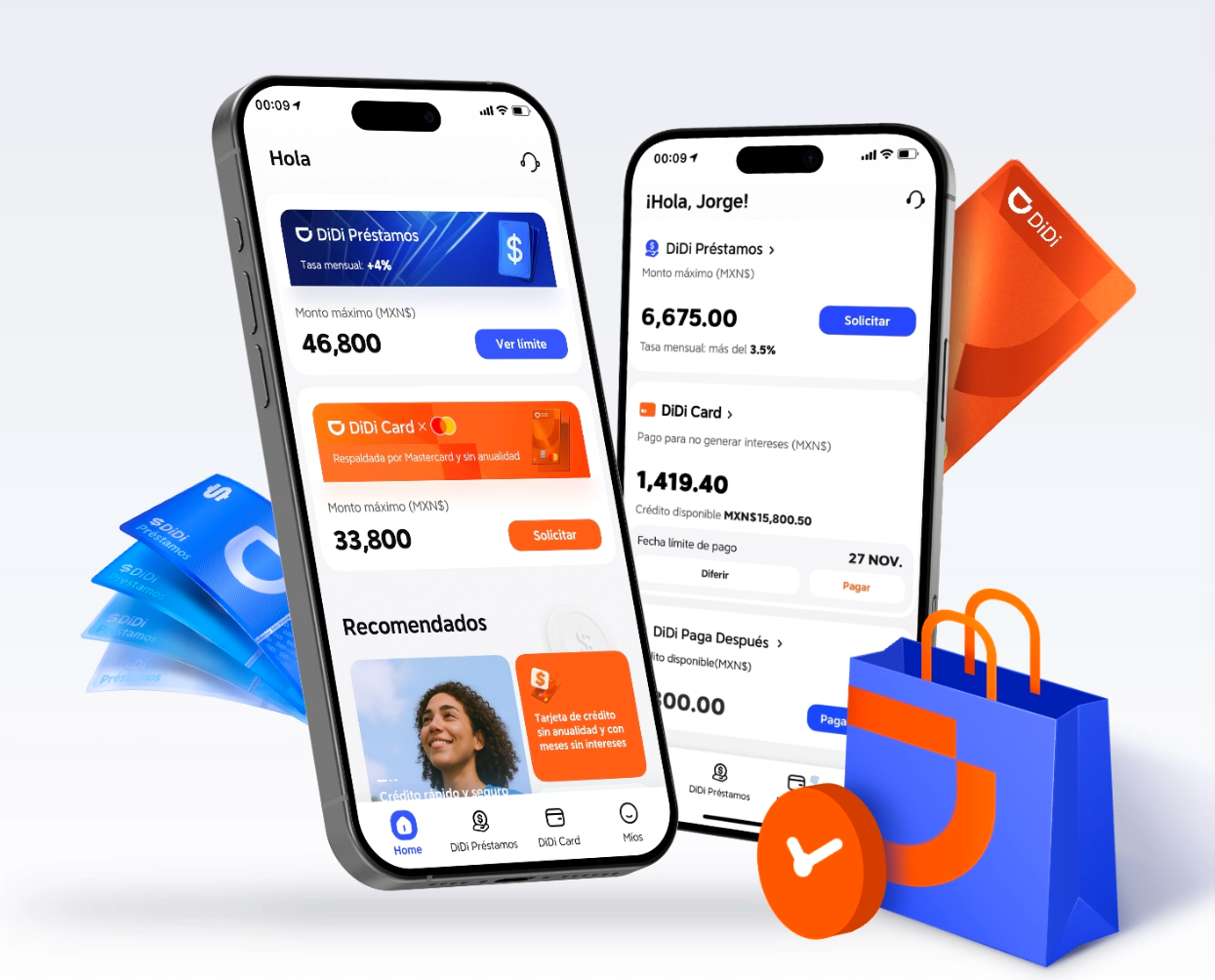
Quick comparative snapshot
Most people choose payment plans because they need short-term liquidity without drowning in interest. For many gig workers and everyday buyers in places like Mexico City, the math behind micro-loans matters. The didi finanzas offering and the didi finanzas app position themselves as convenient solutions, but convenience often hides trade-offs. This piece cuts through the marketing to compare fees, APR, and structure so you can decide fast and confidently.
Where hidden costs typically appear
Installment plans look simple: split the price, pay over time. Reality introduces financing fees, late-payment penalties, and platform convenience charges that show up after checkout. Look for these concrete items when signing up: the nominal APR, any one-time origination or underwriting fees, and how late fees escalate. Those small percentages compound—over a multi-month installment plan they can add up to a meaningful extra cost.
How DiDi Finanzas compares to common alternatives
Compare three practical routes: a bank credit card, a dedicated buy-now-pay-later (BNPL) provider, and DiDi’s in-app installment service. Banks often have higher APRs but stronger consumer protections and clearer dispute channels. BNPL platforms sometimes waive interest for short terms but tack on steep late penalties. DiDi’s offering usually sits between: competitive short-term rates, integration with the ride-hailing ecosystem, and rapid onboarding that favors speed over deep underwriting. That trade-off benefits users needing quick access—but be mindful of the fine print on rollover and default rules.
Where you can actually save—practical tactics
Start by picking the shortest installment window you can afford. Shorter terms reduce total interest. Next, align payment dates with your cash flow—set due dates after paydays to avoid late fees. Use automatic payments when possible to maintain a clean payment history; platforms sometimes reduce future fees for reliable borrowers. Finally, take advantage of loyalty or promotional discounts when DiDi bundles offers with ride credits or partner merchants—those can offset financing costs substantially.
Common mistakes users make—and how to avoid them
Many users assume installment equals free borrowing. That misread fuels preventable fees. Others miss buried clauses about early repayment penalties or deferred interest that activates on a missed payment. Track these pitfalls: always read the repayment schedule, note any administrative fees, and verify whether auto-pay can be paused during genuine hardship without penalty. These steps keep APR and total cost transparent.
Checklist for evaluating any installment product
Use this quick checklist before committing:
– Confirm the effective APR, not just a promotional rate.
– Verify one-time fees: origination, processing, or platform convenience charges.
– Check the late-fee escalation and reporting policy that may affect credit or driver status.
Real-world context and credibility
Drivers and couriers in Mexico City frequently use in-app finance tools to smooth uneven earnings; their feedback highlights the value of predictable installments and the pain of surprise fees. That ground-level experience underlines why transparency matters more than glossy onboarding. Industry terms like APR, underwriting, and installment plan aren’t just jargon here—they influence day-to-day cash flow for millions of users.
Practical alternatives worth considering
If you need lower total cost, explore a short-term bank loan or a trusted BNPL provider with a clear grace period and transparent dispute resolution. For frequent needs, negotiating a linked bank account or credit line can reduce fees. For one-off purchases, prefer merchant promotions that reduce the principal rather than stretch payments with interest.
Advisory close — three golden evaluation metrics
Use these three metrics to pick the right payment strategy: effective APR (reflects true cost), total payable amount (principal plus all fees), and flexibility of repayment (ability to prepay or adjust without penalty). Score each option against these metrics before you click confirm. That approach keeps choices objective and reduces surprises.
DiDi Finanzas stands out when you need quick, app-integrated financing and predictable short-term plans—use the three metrics above to make it work for you. — Practical moves matter more than marketing.