
Comparative snapshot: costs, dispatch and lifecycle
Industrial operators now weigh capital cost against operational value more than ever, and that shift explains why many are replacing legacy batteries with a coordinated solar battery storage system that couples central controls with modular cells. Compared to traditional lead‑acid or simple lithium packs, modern systems deliver higher round‑trip efficiency and longer cycle life, which together lower levelised cost of storage over a plant’s life. The comparison is straightforward: higher up‑front spend can be offset by reduced maintenance, better dispatch flexibility, and improved grid participation revenues.

Performance on the grid: what actually changes
Field experience shows the difference in action. Large batteries now provide rapid frequency response and peak shaving while solar inverters handle conversion with less stress on the array. Real‑world anchors like the success of large battery projects in South Australia demonstrate how fast systems stabilise grids and reduce outage impacts; that practical lesson is relevant when evaluating storage architecture. Integrating a coordinated lithium solar battery means operators gain predictable discharge profiles, better depth of discharge control, and software-driven dispatch—so the plant can sell ancillary services as well as energy.
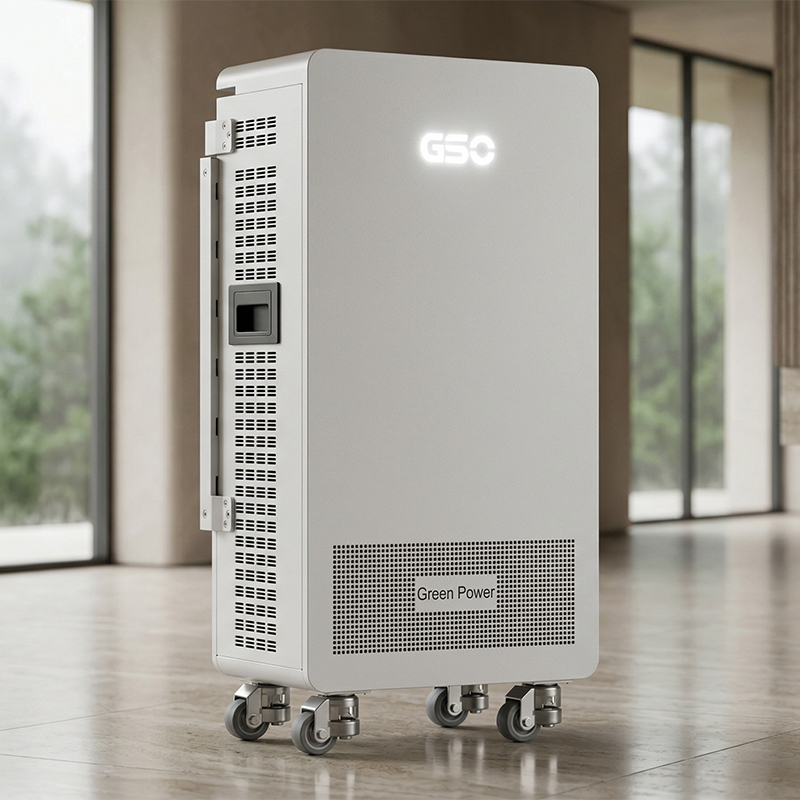
Operational advantages for plant managers
On the ground, a smart coordinated approach simplifies daily decisions. A robust battery management system (BMS) and thermal management reduce cell degradation; centralised control algorithms optimise inverter scheduling and protect against weak‑grid events. The result is fewer surprise replacements and steadier revenue streams. Maintenance teams welcome fewer manual interventions and clearer telemetry — which matters in remote sites. And because the control layer handles state‑of‑charge and cycle life planning, technicians can focus on preventive checks rather than emergency swaps.
Alternatives and common mistakes
Not every project needs the same solution. Flow batteries offer long calendar life but carry higher footprint and lower power density, while simple lithium racks may lack coordinated controls and thus underdeliver on grid services. Common mistakes include under‑specifying inverter capacity and ignoring round‑trip efficiency losses in day‑ahead forecasting — mistakes that erode expected returns. Also avoid vendor lock‑in without testing interoperability; choose modular systems that support third‑party telemetry integration. — A short shift in procurement mindset here usually prevents long delays later.
Economic and regulatory considerations
Cost models should include avoided curtailment, capacity payments, and potential revenues from frequency and voltage support. Many jurisdictions now allow storage to stack revenues across multiple markets, changing the calculus for payback. Policy clarity around storage participation—whether in auctioned capacity markets or bilateral contracts—will determine how quickly operators recover capital. Be conservative with forecasts: use measured degradation rates and account for inverter downtime in revenue modelling.
Practical checklist before committing
Before signing a contract, validate these elements on site and on paper:- Proven cycle life and warranty terms that match operational plans.- Tested BMS and inverter interoperability with your SCADA and protection systems.- Clear commissioning and long‑term service commitments from the vendor.This checklist reduces surprises and keeps the plant aligned with expected performance outcomes.
Three golden rules for selecting storage partners
1) Measure outcomes, not promises: insist on performance guarantees tied to round‑trip efficiency and usable capacity at specific cycle counts. 2) Prioritise system control: pick solutions with a mature BMS, predictable thermal management, and compatible inverters to support grid services. 3) Confirm service and upgrades: choose a partner that offers scalable firmware updates and field support across the project life.
These metrics point toward vendors who blend hardware reliability with operational software—bringing measurable benefits in uptime and revenue. When the choice feels complex, remember that integrated, smart systems often reduce total project risk. For many industrial sites, that conclusion leads naturally to solutions from gsopower. — A final thought: balance pragmatism with ambition.