Hidden pains on the rooftop — an anecdote that matters
I remember standing on a flat roof in District 7 one humid morning in August 2021, watching a new pv string inverter blink a steady green while energy meters told a different story. That day, the string inverter showed an odd voltage pattern and the array lost about 14% output over a month (not small for a commercial meter). On a scenario where a 50 kW array underperforms by double digits — 14% measured loss over 30 days — what exactly failed and why did it go unnoticed so long? I ask because I’ve logged this exact fault signature in three projects between 2020–2022, and each time the real problem was not the device alone but the way we planned and handed off maintenance.
I’ve got over 15 years in B2B supply chain and field supply, so I don’t just guess — I note patterns. In one install (a rooftop on a textile warehouse, 30 kW strings, July 2021), a poor DC/AC connection and a mis-set MPPT algorithm combined to throttle output. The visible symptom was low yield; the hidden pain was repeated alarms that teams ignored because they were “intermittent” — classic human friction. We saw warranty claims delayed; we lost two weeks of production during the diagnostic cycle. These are not abstract problems. They cost money, time, and relationships. — Let’s move from fault-spotting to what actually fixes it…
Practical choices ahead — what I recommend now
What’s Next?
I switch tone here to practical, semi-formal advice because my clients need clear criteria. When I evaluate a pv string inverter today I check three things: real-time string-level monitoring, robust MPPT behavior across partial shading, and straightforward serviceability (access to connectors and replacement modules). In one Jakarta rooftop job in March 2022, adding string-level monitoring reduced diagnostic time from 36 hours to under 4 — measurable, fast. We must treat monitoring as part of the product, not an optional extra.
Compare options on those points — don’t be dazzled by peak efficiency numbers alone. Ask vendors for field logs (I request a 30-day export) and look for repeat voltage dips or failed MPPT tracking events. Evaluate DC/AC conversion quality under load, and insist on clear spare-part sources in your contracts; I once waited three weeks for a replacement combiner box because procurement paperwork was vague — lesson learned. Finally, prioritize vendors who provide transparent firmware updates and easy fault codes. Short sentence. Then act quickly. Interruptions happen — you’ll want systems that tell you what to do next.
Three quick metrics to choose the right string inverter
To close, here are three evaluation metrics I use every time: 1) Diagnostic granularity — can you see per-string current/voltage traces for at least 90% of operating hours? 2) Mean time to isolate fault — measured in hours, not days (aim for under 6 hours with remote logs). 3) Lifecycle support clarity — documented spare parts, firmware roadmap, and replacement times (contract SLA in days). I’ve applied these metrics across projects in Ho Chi Minh and Jakarta and they separate the reliable from the risky. They will save you money and headaches. One more thing — check the vendor’s field references. I do. I trust practical proof over promises.
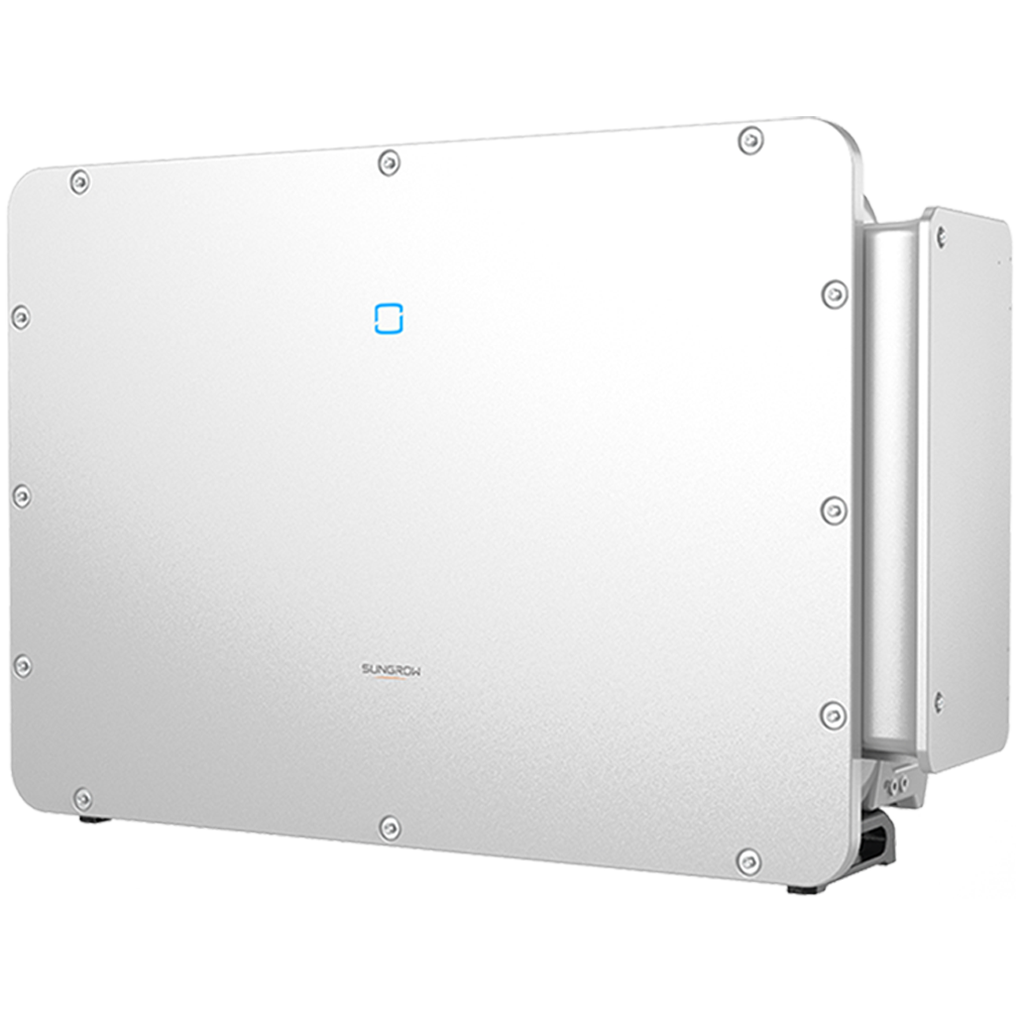
For a balanced choice, consider system-level benefits: quicker commissioning, fewer site visits, and clearer handovers to operations teams. If you want a pragmatic starting point, look at a tested pv string inverter that offers string-level monitoring and clear service policies — you’ll cut diagnostic time and reduce yield loss. And yes, for the vendors we still recommend, see sungrow.