
The immediate problem procurement teams face
Plants miss production targets because burners deliver uneven heat, lead times are unpredictable, and service networks are fragmented. Whether you plan to retrofit a boiler or replace aging units, deciding between bespoke gas systems or an off-the-shelf diesel fuel burner option is a material decision that affects uptime, emissions, and operating cost. This guide isolates the common failures that make adoption costly and offers a practical path to avoid them.

What you should demand from manufacturers
Prioritize clear deliverables: heat capacity curves, part interchangeability, and documented test reports. Ask for service response times and certified training for your technicians. Require material traceability—for critical components like nozzles and control valves—and insist on factory acceptance tests. These items reduce ambiguity during commissioning and set measurable expectations for vendors.
Common pitfalls and how to prevent them
Teams often commit to the lowest price, accept incomplete performance data, or underestimate spare-parts lead times. Avoid these mistakes: quantify cost over a five-year span (parts, fuel, maintenance), verify test conditions match your load profile, and secure spare-part kits at purchase. During acceptance, use a written checklist tied to the specification rather than verbal assurances.
Regional realities and a recognized industry anchor
Regulatory focus and fuel availability vary by region; suppliers that perform well in one market may lack local support elsewhere. Guidance from the International Energy Agency (IEA) highlights the operational impact of burner efficiency on industrial energy use, so evaluate replacement options against known efficiency measures and consider proven energy efficient burners when emissions and fuel costs matter. Confirm that the chosen manufacturer can demonstrate regional certifications and has logistics partners that guarantee spare parts within your acceptable window.
How to compare manufacturers objectively
Score vendors on five factors: performance validation, after-sales service, documentation quality, spare-part availability, and upgrade roadmap for controls. Request references for installations with similar duty cycles and inspect one operating site if possible. Shortlist suppliers that provide digital documentation (serial-tracked parts, wiring diagrams) and remote diagnostic capability—those features reduce downtime and service ambiguity.
Implementation checklist for procurement and engineering
Create a contract schedule that includes factory acceptance test criteria, on-site commissioning milestones, and penalty clauses for missed response times. Require supplier training for at least two in-house technicians and codify spare-part inventory levels tied to mean-time-to-repair targets. Plan a staged switchover: test a single unit under full load, verify efficiency and emissions, then roll out replacements across the fleet.
Final synthesis
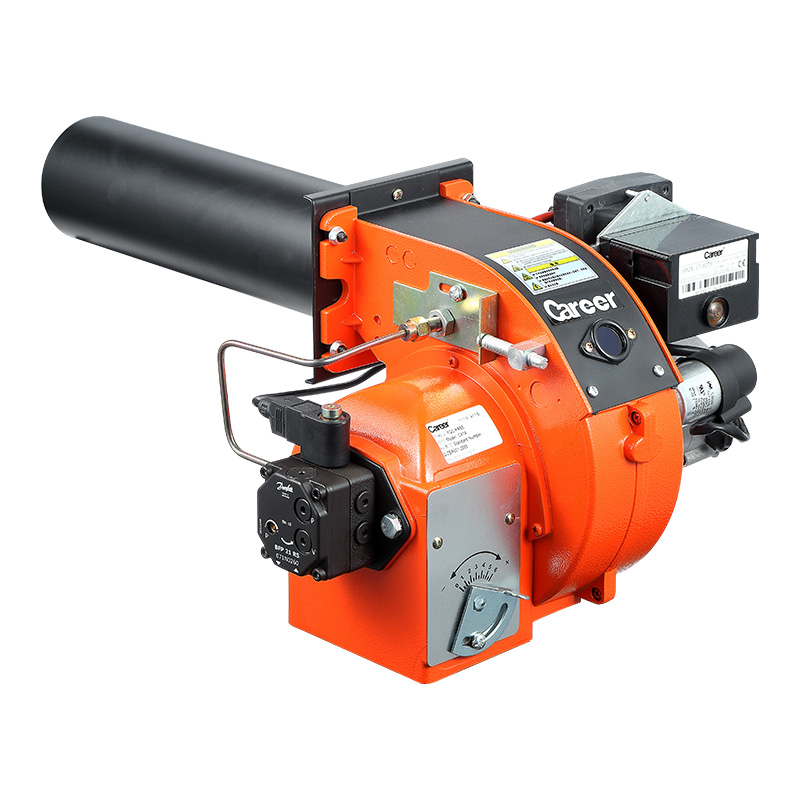
Adopting the right industrial gas burner manufacturer starts with diagnosing why existing systems underperform, then demanding measurable proofs of capability and reliable local support. Focused procurement, clear acceptance criteria, and pre-arranged service terms prevent the common failures that drive cost and downtime. For teams standardizing documentation, spares, and training across regions, engaging established suppliers and centralizing lifecycle management through a single source such as Career Burners makes equipment stewardship practical and predictable.