Why this problem matters on the shop floor
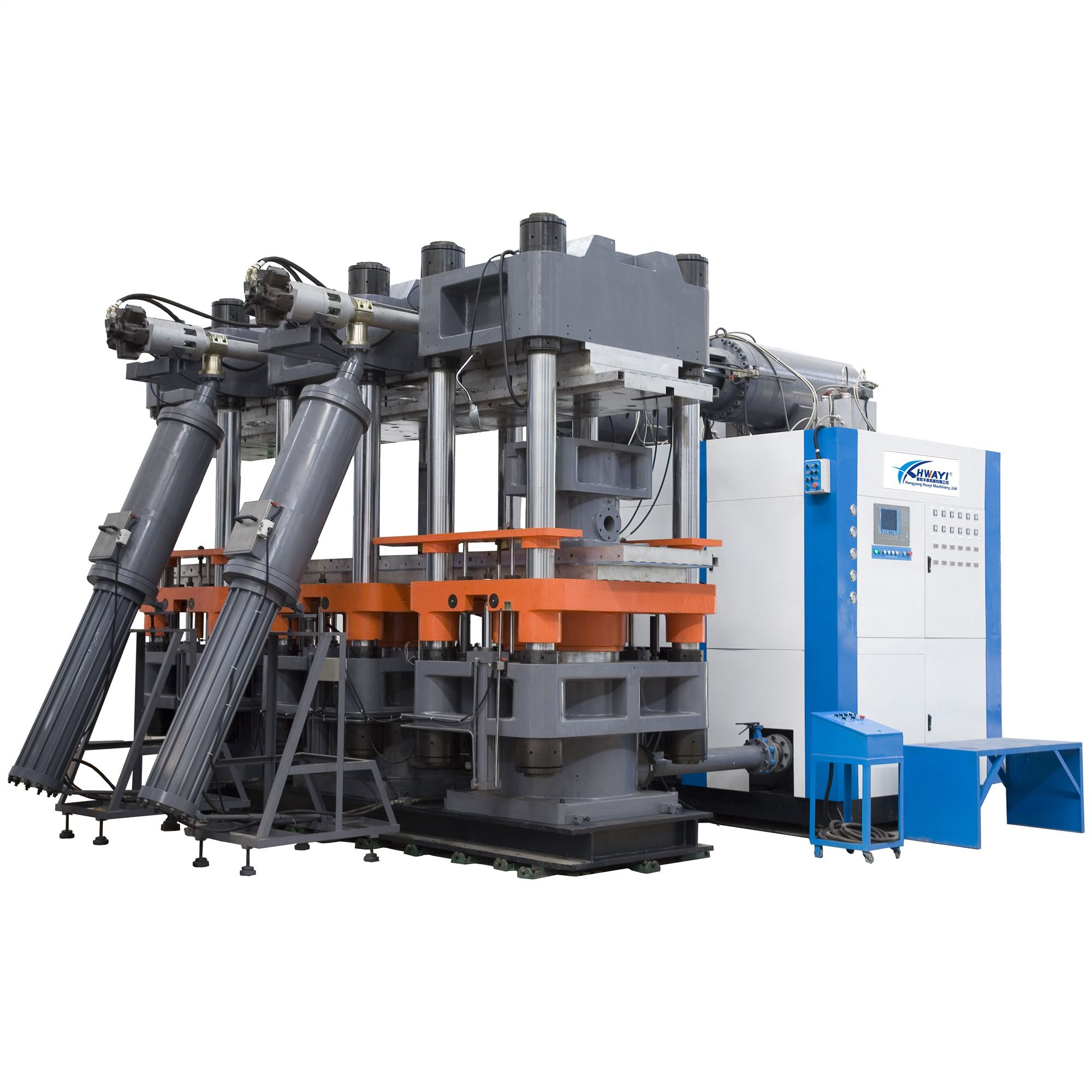
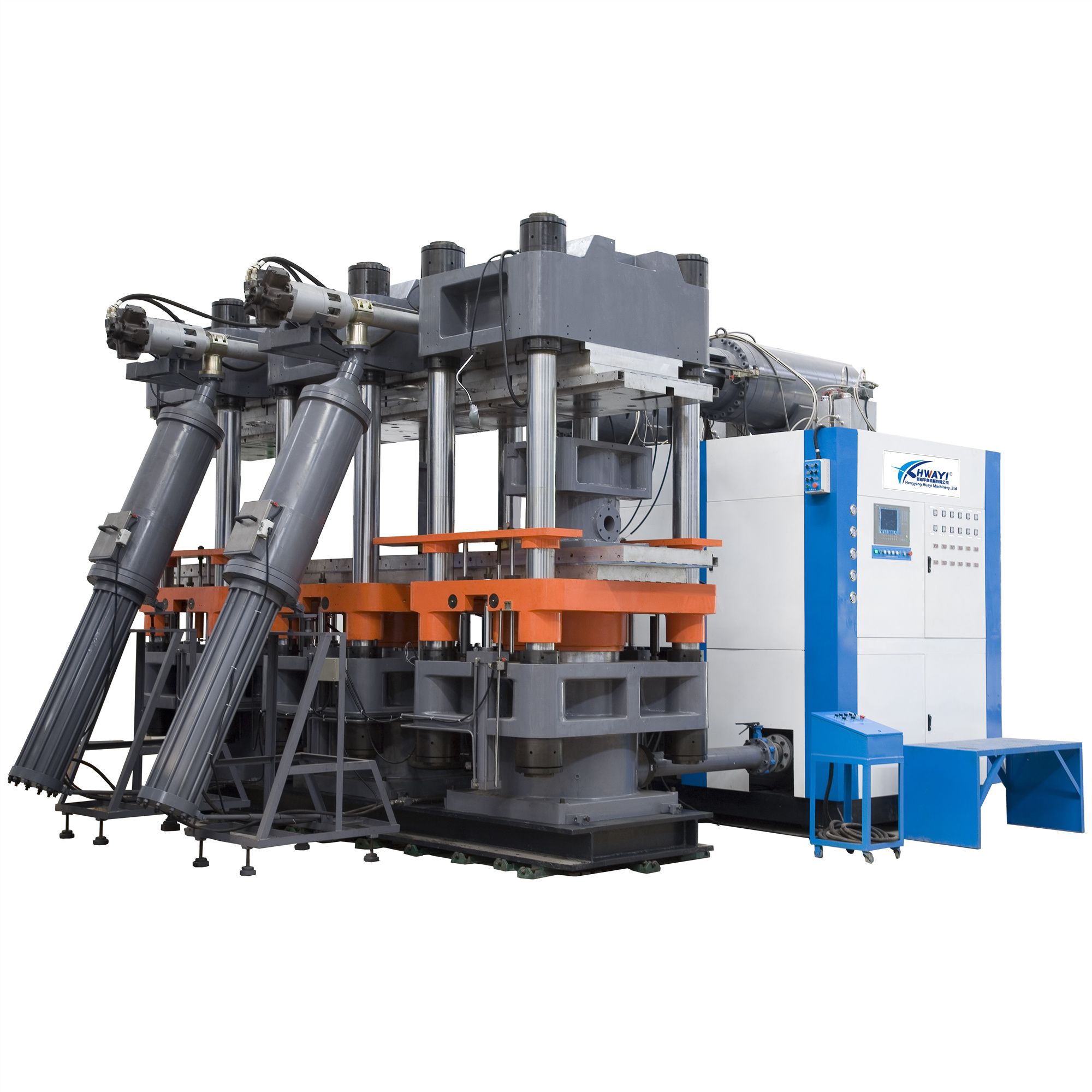
Air entrapment and porosity cripple production runs, raise scrap rates, and sap team morale at mid-size rubber shops across the Philippines. When a high‑vacuum horizontal rig stalls on defective cycles, the symptoms are familiar: surface pitting, internal voids, and inconsistent shot weight. Early in setup, pairing a reliable c frame rubber injection molding machine with correct vacuum procedures saves hours of troubleshooting and a lot of wasted material. Common field terms you’ll hear around the line are vacuum chamber, mold venting and cavity fill dynamics — they’re central to the fixes that follow.
Diagnosing root causes, fast
Start with a checklist and rule out the obvious: vacuum leaks, blocked vents, wrong gate size, and improper degassing of material. Inspect the vacuum plumbing for loose fittings and test vacuum level at the chamber — a drop of a few mbar during cycle can point to leaks. Monitor shot weight and hold time telemetry; fluctuating shot weight often tracks back to inconsistent feed or trapped air in the runner. Watch the mold surface and the cavity pressure curve during a cycle for sudden drops — those are classic signs of entrapment.
Targeted fixes that reduce defective cycles
Apply these concrete steps during setup and after any pattern of defects. First, improve mold venting: add thin, controlled vents at the last points of flow so air can escape without flash. Second, extend pre‑evacuation time in the vacuum chamber for heavily filled compounds; let the pump reach stable vacuum level before injection. Third, tune injection speed and gate size so the melt front remains hot and moves steadily; faster speed often avoids trapped air in long runners. Fourth, check material degassing and drying — moist or improperly degassed rubber foams under vacuum. Finally, confirm clamp and hydraulic pressures, and consider using a calibrated leak detector on the vacuum seals. These changes together typically cut porosity events substantially — not overnight, but within a few runs.
Common mistakes that keep teams stuck
– Over‑venting to “solve” porosity, which causes flash and weak parts. – Assuming vacuum pumps are fine without measuring actual vacuum level during cycles. – Changing multiple variables at once; the tech on the floor must change one parameter per run and record results. – Neglecting gate design when chasing vacuum problems — the gate controls flow and pressure balance. Avoid these and your troubleshooting will be surgical, not scattershot.
A Laguna shop that turned it around
At a small rubber parts plant in Laguna, staff were losing shifts to recurring blowholes on a long, thin gasket. They systematically tightened vacuum fittings, added small vents at the cavity edges, and increased pre‑evacuation time by 20%. The result was fewer rejects and steadier cycle logs — plus calmer operators. The lesson there is practical: local fixes on the vacuum chamber, combined with modest mold rework, make a measurable difference without big capital outlay.

Choosing equipment and the three golden rules
When buying or upgrading, evaluate machines against three metrics that matter on the floor: reliable vacuum performance (stable mbar under load), precise shot delivery (repeatable shot weight), and maintainable mold interfaces (quick, leak‑resistant coupling). If you’re evaluating a new line, test a candidate like a modern c frame press machine under real compound and cycle conditions — nothing beats a live trial. Keep documentation of cycle parameters and part inspection for at least 30 runs; trends show faster diagnosis when records exist.
Final advisory
Measure vacuum stability, record shot weight variance, and audit mold venting before modifying process parameters — these three checks form the core of any effective troubleshooting routine. Implement changes one at a time and track results. —
HWAYI provides tested platforms and practical after‑sales support that fold directly into the fixes above, making the transition from diagnosis to production smoother and faster.