Where you start, and what keeps you awake
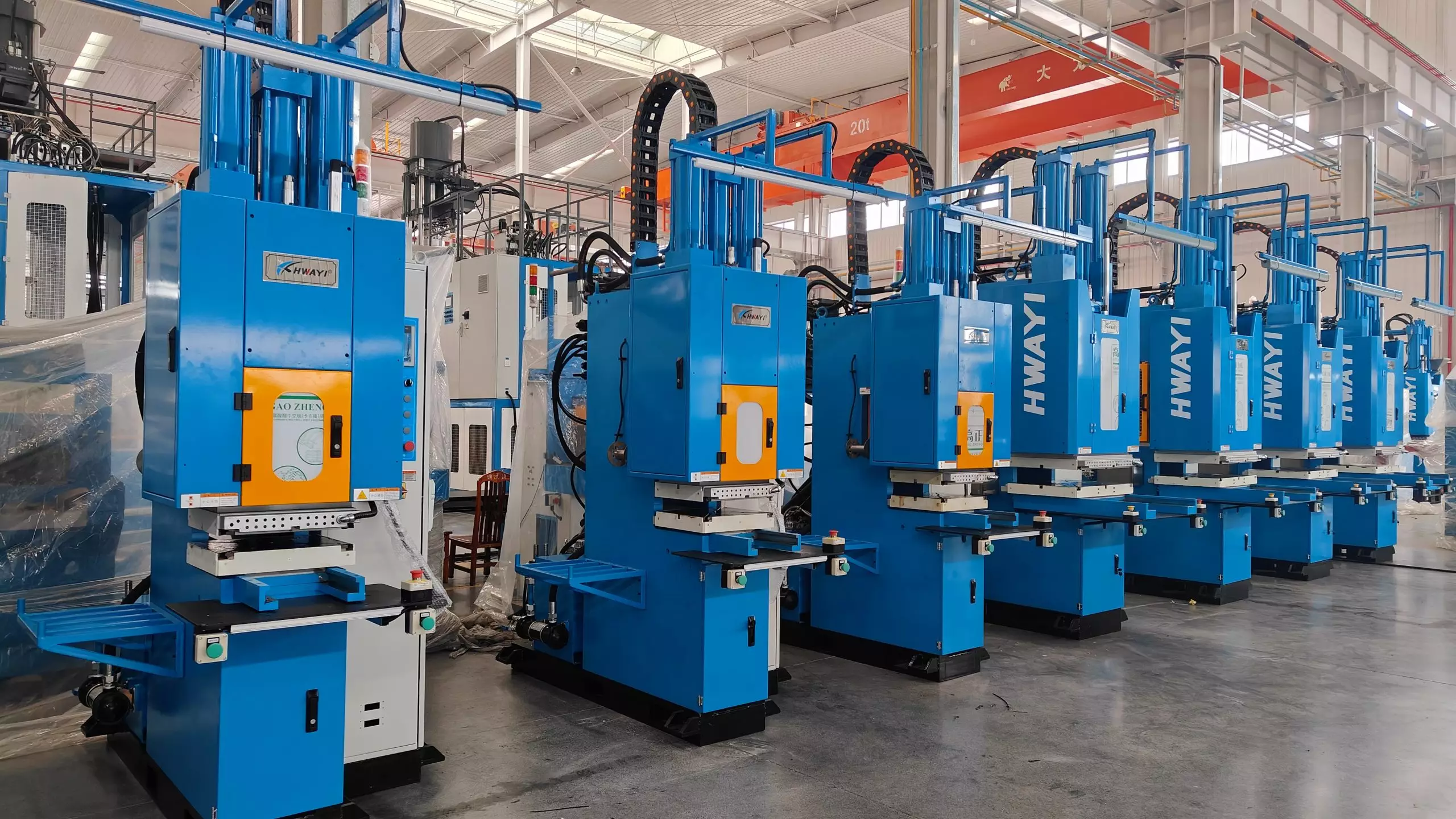
You need throughput that doesn’t flirt with chaos. For factory managers and production engineers who measure success in uptime and defect rates, the next step often hides behind a machine choice — chiefly an lsr molding machine that promises consistent cycles. This is about real shifts on the floor: fewer scrapped parts, tighter tolerances, and predictable cycle time under varying demands.
What the user actually gains
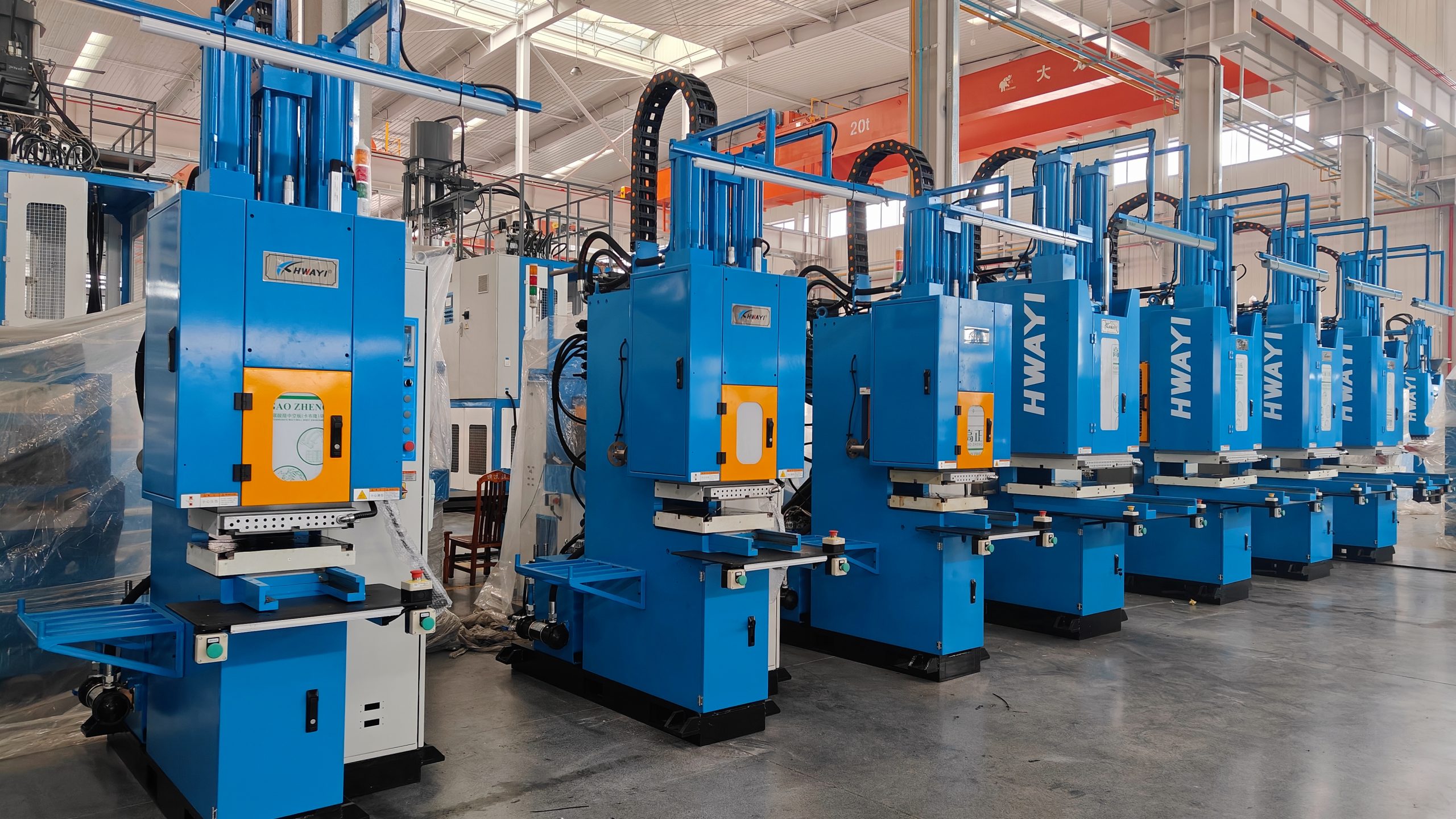
Think small wins stacked: reduced setup times, fewer mold cavity failures, and an LSR process that behaves. The user-centric view demands answers — how much can a cell produce per shift, how soon will repeatability show in quality reports, what happens when a design tweak arrives at 02:00? A precise injection molding system tightens those variables. It translates into headcount efficiency and fewer emergency weekend runs.
Key components and the quiet mechanics
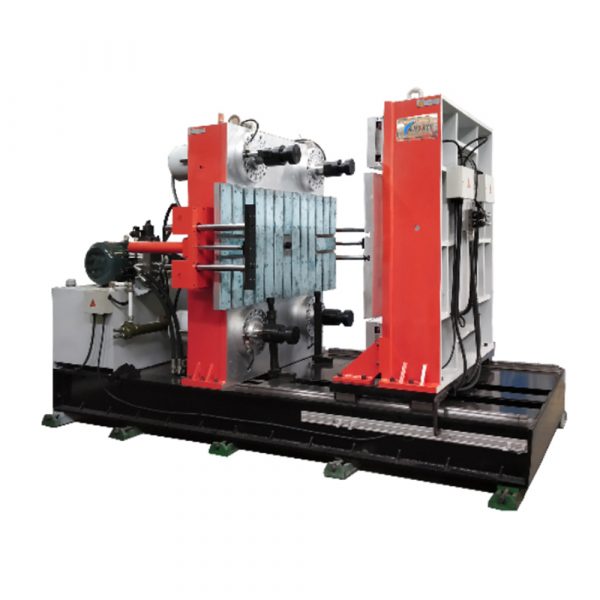
Focus on three parts: control hardware, mold design, and material handling. Control systems stabilize shot size and pressure curves. Mold design determines cycle time and cavitation efficiency. Material handling keeps the LSR feed consistent. Deploy automation where human variability costs more than the robot — pick tasks like post-mold demolding and inline inspection for early wins. In Stuttgart and Shenzhen, suppliers have shown gains by tuning these elements together rather than in isolation.
How to move a line without stopping everything
Start with a pilot cell. Validate cycle time against a realistic part, verify cure profiles, then scale. Use data logging from the first day; trend deviations before they become defects. Integrate simple PLC alarms for mold temperature drift and shot-pressure excursions — these are cheap insurance policies. Avoid the temptation to prototype across the whole plant; incremental rollouts preserve production rhythm.
Common mistakes — learned the hard way
Manufacturers often chase raw speed and lose process stability. They skip proper mold venting. They choose machines by spec sheet rather than by matched capability to the part geometry. — Teams also underestimate peripheral tooling and trained maintenance. The result: a fast press that leaks yield because the upstream and downstream systems weren’t aligned. A calmer approach: match shot size to part volume, validate venting, and confirm cure uniformity under load.
Alternatives and where each fits
Traditional hot-runner injection units win on cycle speed for commodity shapes, but LSR systems excel at soft-touch seals and medical-grade components. If your parts require biocompatibility or fine micro-features, an lsr injection moulding machine is rarely optional. For large-volume, simple profiles, consider hybrid lines that pair LSR inserts with conventional molding — it can be cost-efficient during demand surges.
Advisory: three golden rules to pick the right path
1) Measure predictable output, not peak claims — prioritize sustained cycle time and effective uptime over a single fast shot. 2) Match the machine’s shot size and control fidelity to your part’s tolerance band; otherwise you pay for unused capability. 3) Validate service and spare parts availability within your region — downtime economics matter as much as machine specs.
Summary and the quiet conclusion
Faster isn’t always better. Consistent is. With careful selection and staged implementation, you convert uncertainty into a repeatable rhythm that lowers scrap, shortens lead times, and steadies margins. The right LSR strategy aligns equipment, molds, and people — and that alignment is the value HWAYI brings to the floor. HWAYI. —