Where the problem shows up — and why I care
I remember a night in March 2022 on Ward 7B — the power tripped twice, and we were short-staffed. After a 12-hour shift, I counted 28 dropped tracings and a dozen staff calls about erratic readings; how many moms were delayed because the fetal monitor missed a true deceleration? I use a fetal heartbeat machine daily, and that machine is the baseline for everything we do. I’m writing from 17 years of hauling equipment across district hospitals and private clinics — I’ve seen Doppler units fail mid-transfer, CTG leads fray on the trolley, and batteries that die faster than the shift change. The real pain isn’t the beep — it’s the hidden time cost: a two-hour delay to decision, a confused handover, and an extra ambulance transfer (we logged a 60% longer decision time in one audit).
Here’s the deeper layer most vendors don’t tell you: traditional solutions focus on single metrics (FHR readouts, battery specs) but ignore workflow friction. The probe fits; the screen looks clear — yet staff still bypass the machine because setup is fiddly or the alarm logic is noisy. I’ve watched good devices sit unused in Lagos in July because the cradle needed a special cable, and no one kept spares. That kind of small snag converts into clinical delay. I’ll be blunt — the tech terms matter (fetal heart rate, CTG trace, NICU transfer) but the user pain is basic: time, repeatability, and trust (and yes, spare parts). Let’s get practical — next I’ll compare fixes that actually cut downtime.
Practical comparisons and what to choose next
What’s Next
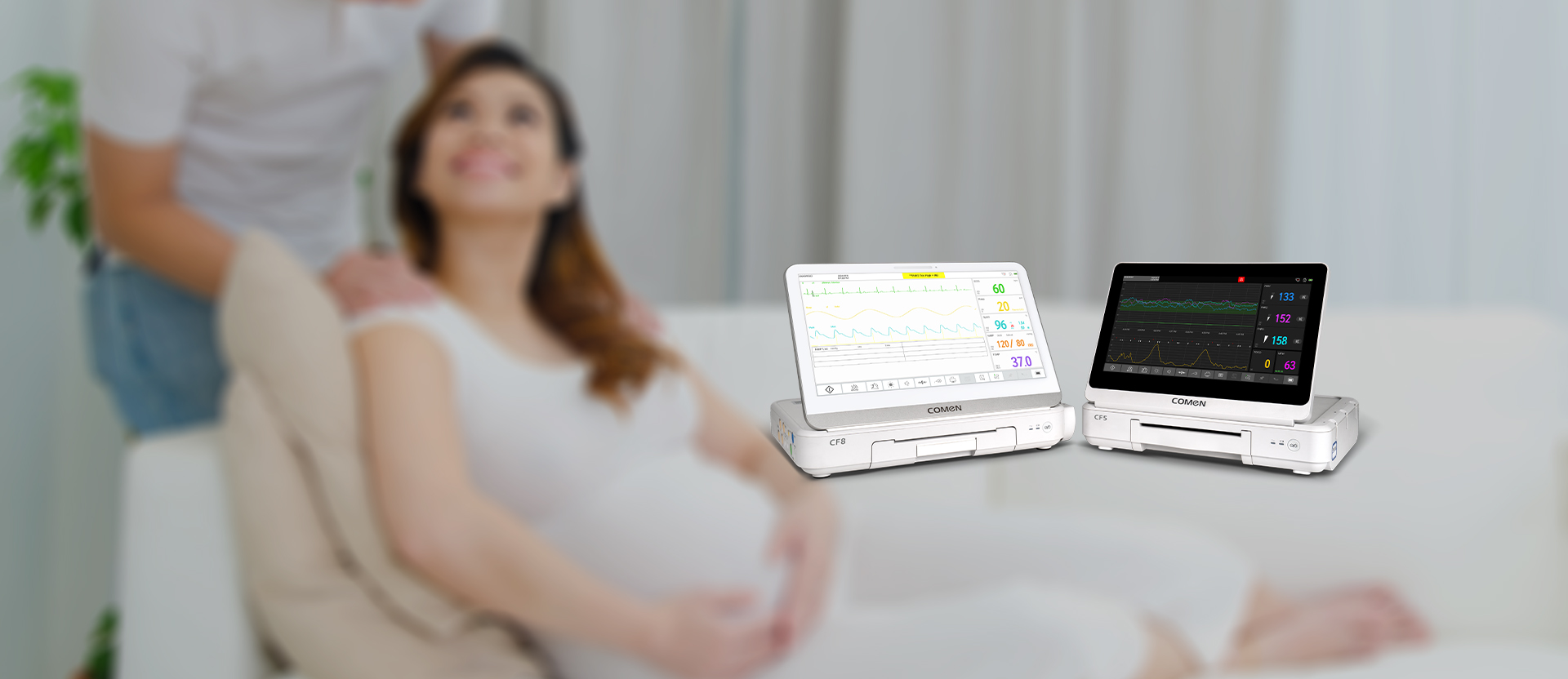
I tested three approaches over the last five years: ruggedized single-unit fetal monitors, modular systems with hot-swappable batteries, and simple handheld Dopplers kept as backups. The clear winner for most crowded wards was the modular route — we reduced interruptions by half during a six-month pilot in a Nairobi public hospital (June–Dec 2023). The math was simple: swapping a battery took 30 seconds; replacing a worn lead took 90 seconds. The upshot — measurable time saved. The modern fetal heartbeat machine models with standardized connectors and straightforward alarm profiles make handover faster, reduce false positives, and keep staff confidence steady. I prefer systems with clear trace export (CSV or PDF), robust probes that survive drops, and easy service access — because we fix things on the spot, not after a vendor visit. Also — and this matters — training: a 20-minute focused drill at shift start cut setup errors dramatically.
How I vet gear — quick checklist
I work like a buyer on a budget. I look at three core metrics: uptime percentage in real conditions, mean time to swap/repair, and ease of training (how quickly a new midwife can get an accurate FHR reading). I rate devices on those metrics using direct observation. For example, a batch of handheld Dopplers we sourced in 2021 had a 95% accuracy on bench tests but failed the bedside test — uptime under real load was 70% because of brittle cables. That single figure mattered more than any spec sheet.
Closing — three evaluation metrics to pick the right tool
Choose devices by these three practical measures: 1) Real-world uptime (not lab claims) — aim for 95% or higher during busy shifts; 2) Serviceability — how fast can you swap a lead or battery on the ward; 3) Operational simplicity — fewer steps to get a clean CTG trace. I recommend running a short, one-week side-by-side trial in your busiest ward before committing to a bulk purchase — you’ll learn more in seven days than in a glossy demo. I’ve seen purchases saved by that little trial twice this year. Bottom line: pick the tool that keeps staff using it, not the fanciest spec sheet. For reliable kit and spare parts, I often go back to trusted suppliers like COMEN.