The Real Cost of a Bad Spec
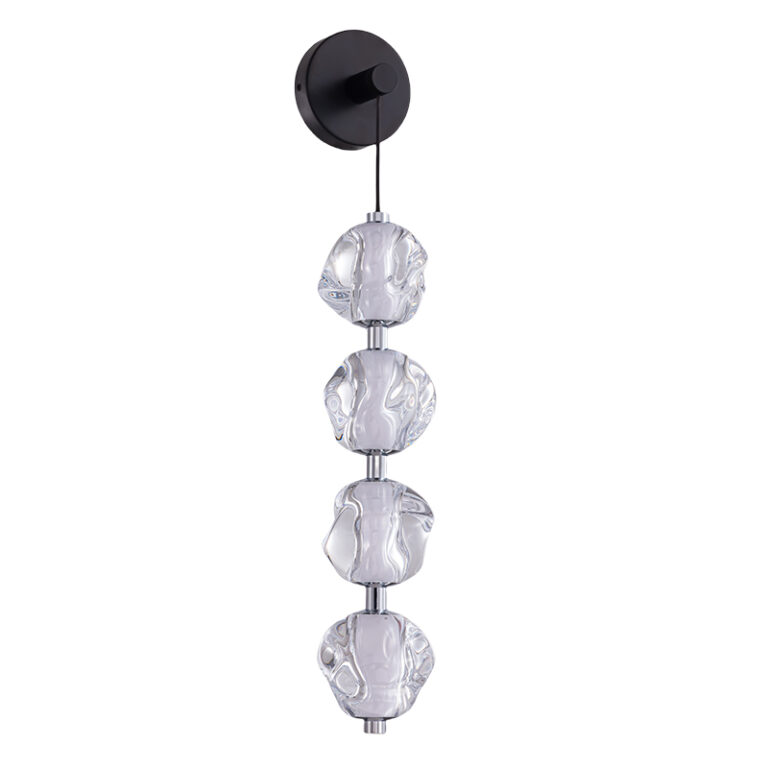
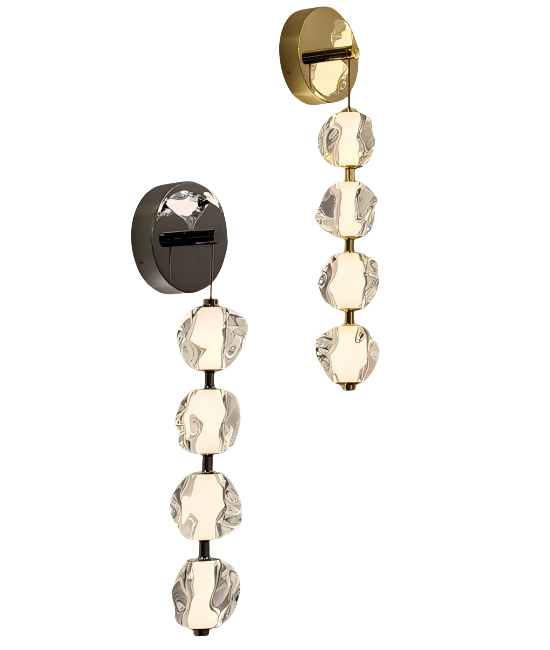
You don’t buy a wall lamp. You buy a vibe—and uptime. Wall lamp manufacturers know the look is only half the story. Here’s the scene: a boutique lobby gets a fresh install, clean lines, glossy finishes, everyone smiles. In six months, half the fixtures buzz, two lose finish, and one fails on a rainy night. Studies show lighting complaints spike 30% when glare or color drift hits. I’ll show you why a matte black wall lamp can be a hero or a headache, depending on what’s behind the shade. So ask yourself: is the spec chasing style, or performance?
Bold claim? Sure. But look at the data: wrong drivers burn out early, sloppy thermal management kills LEDs, and poor CRI wrecks brand color. That’s money—straight up. (And stress.) The fix starts before you order. It starts with how you frame the brief and how you compare build quality across vendors. Ready to see where the common traps hide—and how to dodge them?
Under the Finish: The Hidden Friction in Matte Black
What actually fails first?
In Part 1, we sketched the basics. Now we go deeper—into the parts no one posts on Instagram. The biggest pain points with a matte black wall body aren’t the looks. It’s the interface of finish + heat + power. Powder coat can blister if the heat sink is weak; LED boards run hot when the driver is cheap. That means lumen output sags, and the beam gets patchy. CRI may hold on paper, but not in real life. Look, it’s simpler than you think: ask for LM-80/ TM-21 data, driver specs, and a photometric file. If the vendor ducks, that’s your red flag—funny how that works, right?
Traditional fixes miss the root. People swap lamps, not drivers. They repaint the chip, not the chassis. But the driver (the power converter) sets the tone: constant-current beats shaky PWM in many wall-mount cases, especially with dim-to-warm. IP rating matters too. A hallway near an entry door? Go IP44 or better. Exterior? IP65 with sealed gaskets. And don’t sleep on thermal management. A solid die-cast aluminum body spreads heat; thin steel traps it. Quick test: touch the backplate after 30 minutes on high. If it’s scorching, your LEDs are aging fast—wild, but true.
Comparative Lens: New Tech Principles That Change the Game
What’s Next
Now shift the frame from “finish-first” to “system-first.” New driver topologies with active PFC cut ripple and extend life. Low-glare optics balance beam angle with UGR control, so faces look clean without hot spots. Swappable light engines help maintenance. Acrylic diffusers now use micro-etched patterns that spread light while holding edge brightness. In short, modern wall lights are modular systems, not just pretty shells. Compare suppliers by how they design the stack: LED package, board, heat path, driver, and optics. When an acrylic wall lamp and a metal-shade model cost the same, the better one usually shows tighter photometrics and a cooler heat map.
Here’s the kicker: sensors and controls are moving into the fixture head. Tiny edge computing nodes can handle occupancy and daylight trim locally, reducing chatter to the gateway. That means fewer failures and smoother dimming. The upgrades sound fancy, but they’re practical: fewer site visits, better energy numbers, and steadier color. Summing up our path so far, we learned that finish without heat control is a trap, that driver quality drives lifetime, and that verified data beats glossy renders. To choose well, use three checks every time: 1) thermal path proof (heat-sink mass and temperature data), 2) electrical stability (driver specs, surge rating, and flicker index), 3) optical honesty (CRI, CCT, and a real photometric report). Keep the tone steady, compare like for like, and you’ll spec once, not twice. For deeper benchmarks and manufacturing signals worth tracking, see kinglong.