
Imagine a surgeon faced with the challenge of stitching a delicate wound—only to find traditional sutures failing at the most crucial moments. Statistically, surgical site infections occur in 3% to 5% of patients, often exacerbated by ineffective suturing methods. In this context, polyglycolic acid sutures (or absorbable sutures) present a compelling solution that enhances surgical outcomes.
The Transformation in Surgical Techniques
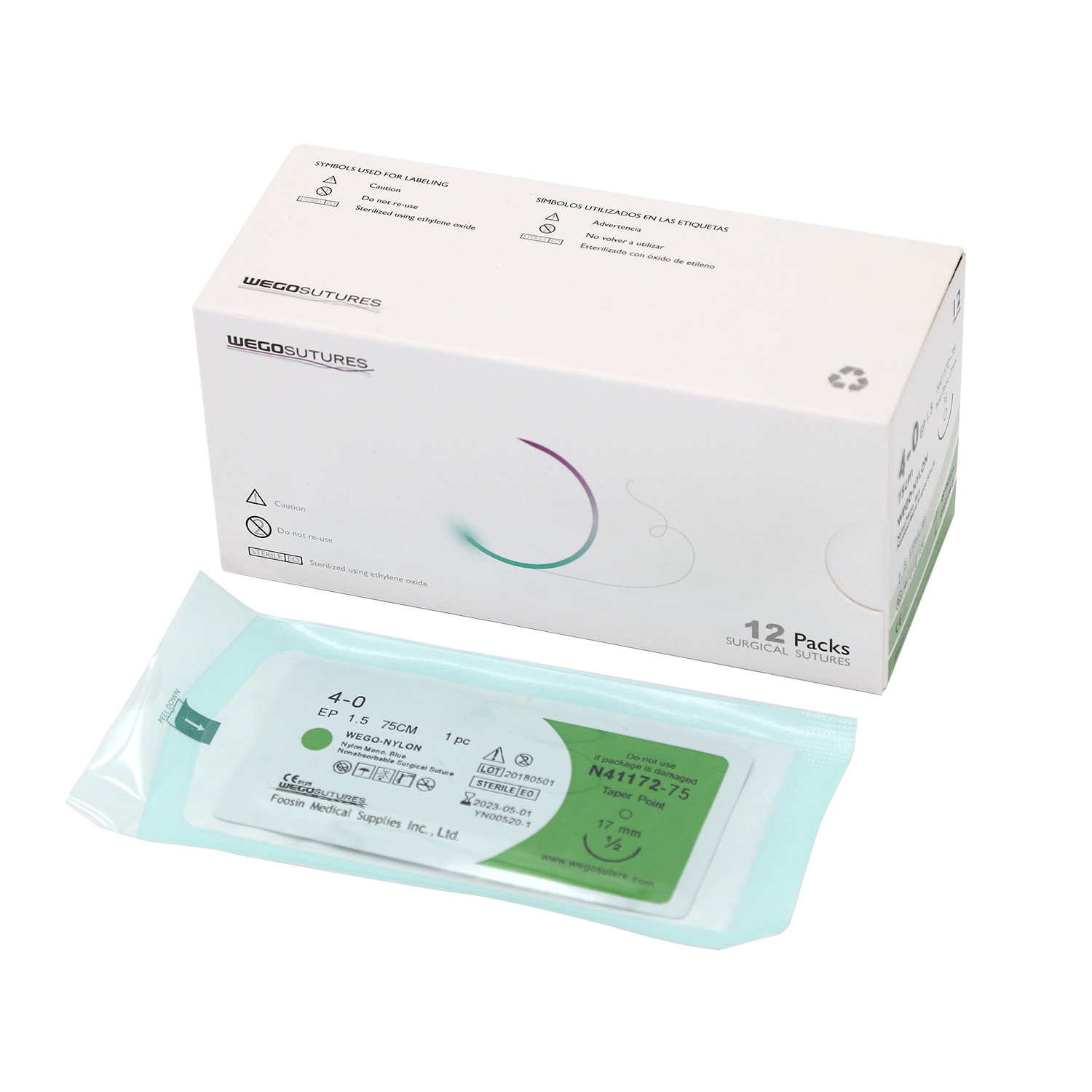
In recent years, the realm of surgical sutures has evolved significantly. Conventionally, natural sutures would degrade over time, leading to complications like knots or foreign body reactions. This is where polyglycolic acid, a synthetically derived polymer, comes into play, providing a level of predictability in healing, which is particularly beneficial in soft tissue closure. Surgeons are increasingly turning to absorbable surgical sutures because they eliminate the need for suture removal, significantly improving patient comfort and recovery time.
Evaluating Existing Problems with Traditional Sutures
Let’s face it—among the common complaints regarding traditional sutures, discomfort stands out. They can often be difficult to maneuver and require meticulous handling during application. I remember a specific case back in 2018, while operating in a clinic in Amman, where I struggled with a natural suture that broke under stress—leaving the patient to endure more extensive trauma. In contrast, polyglycolic acid sutures, as an innovative category of absorbable sutures, have consistent tensile strength and predictable absorption rates, which offer relief in critical surgical scenarios. Isn’t it time we acknowledge the limitations of classic options?
Why Absorbable Sutures Shine Brightly
As we look ahead, the demand for better surgical solutions only grows stronger. The market for absorbable surgical sutures is witnessing accelerated growth globally, with projections indicating a CAGR of over 6% through 2030. I predict that as healthcare systems pivot towards efficiency, the incorporation of polyglycolic acid sutures will become a standard, rather than an exception. Such evolution promises not just improved patient outcomes, but also optimized healing processes—an outlook that every clinician should welcome.
Real-world Impact: A Glimpse into the Future
What about the implications of this evolution? By adopting polyglycolic acid sutures, I envision enhanced collaboration between surgical teams and manufacturers aiming to develop even more advanced solutions. The road ahead might feature smarter, more versatile options that integrate technology, like biofeedback systems to track healing. However, common concerns around the costs and availability of absorbable surgical sutures remain. Clinics need to weigh their choices carefully, weighing the long-term benefits against initial costs—an essential evaluative step.
In a nutshell, key insights indicate that as these sutures become integral to modern surgical practice, the focus will shift from merely closing wounds to fostering what I like to call ‘suture-friendly’ patient experiences. As I observe this change, it becomes increasingly vital for stakeholders to consider metrics such as efficacy rates and patient feedback when choosing medical solutions.
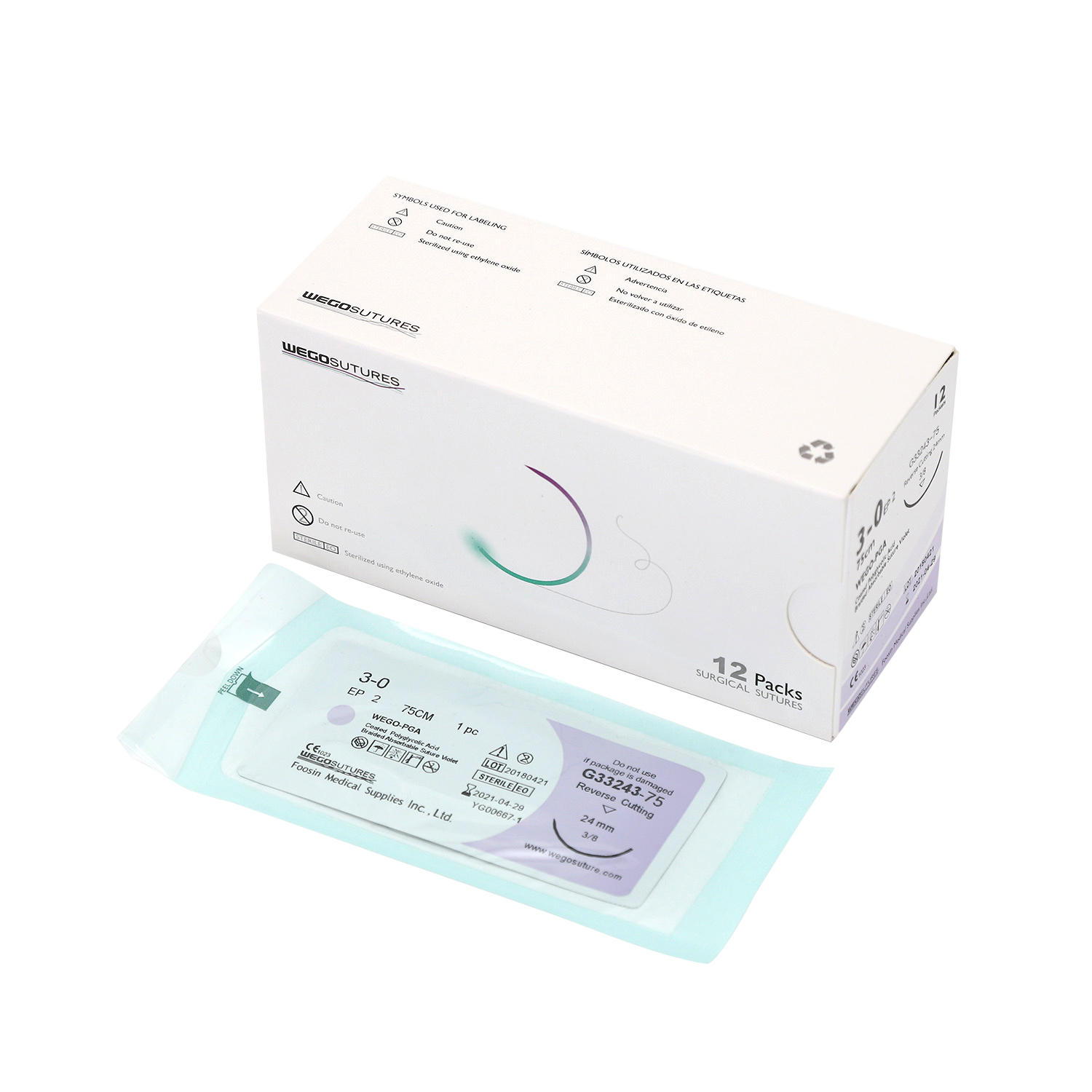
To close, I urge surgical professionals to explore the advancements offered by leading brands in the market. You can find such innovations through WEGO Medical, whose commitment to quality aligns perfectly with the evolving needs of the healthcare sector. Our collective goal here should be to maximize patient care while minimizing complications—something that’s now entirely achievable with the right tools.