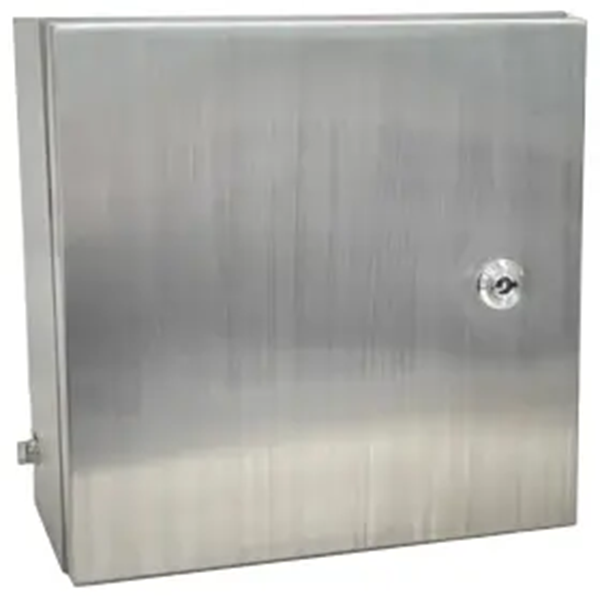
Which questions should you bring to suppliers when reviewing explosion-proof distribution box options?
Opening: a simple procurement problem
Teams find many product names and specs. They feel unsure which option fits project needs. Start with clear questions to suppliers and engineers. See manufacturer pages for context, for example explosion proof electrical fittings and review related items like an explosion proof light fixture so you and the supplier talk about the same product family.
Why this matters — problem-driven view
Mismatch between purchase and site requirement costs time and money. Poorly scoped orders slow project schedule. The procurement team, site engineers, safety officers, and contractors must agree on scope before buying. Use pointed questions to force clarity from vendors and from your own project team.
Questions to ask suppliers about product scope and documentation
What exactly comes in the quoted package?; Can you provide drawings, bill of materials, and dimensional data for review?; Which documents accompany delivery (manufacturer data sheets, certificates, test summaries, packing lists)?; Who issues those documents and how recent are they?; Can you list recommended spare parts and long‑lead items?; What is the expected lead time and lead‑time variability under current supply conditions?
Questions to bring to your engineering and safety teams
Who on the project team has final authority to verify suitability for the intended location?; Which party will confirm interfaces with other systems and existing equipment?; Who will accept any proposed deviations from the original design?; What documentation will the engineer require for approval before procurement commits?; Who will coordinate handover of product documentation to operations?
Questions for comparing vendors and bids
Can the vendor provide references from similar projects or installations?; How does the vendor describe their spare‑parts policy and expected parts availability over time?; What are the vendor’s lead‑time guarantees and remedies for missed delivery?; Are there differences in warranty, service response, or after‑sales support across bids?; Can the vendor provide a clear total cost comparison, including shipping, packaging, and handling considerations?
Coordination and logistics questions
Who is the single point of contact for order changes and delivery coordination?; How will the supplier handle packaging, handling, and whether any special transport requirements exist?; Who will confirm receipt and perform initial document check on delivery day?; What is the escalation path if delivery or documentation is incomplete?
Common procurement pitfalls to avoid
Assuming a quote covers all needed items without explicit list; Relying on verbal assurances instead of documented scope; Ignoring long lead times for parts and accessories; Not confirming spare‑parts sourcing or a secondary supplier; Failing to coordinate who on the project accepts technical documentation and signs off.
Final synthesis — focused next step
Prepare a concise question list for suppliers and your engineer before you request a final quote. Use those questions to align procurement, engineering, operations, and contractors so everyone knows who verifies what. Teams often consult manufacturer product pages such as sunleem while preparing their questions to ensure clear, consistent vendor discussions.