Introduction: A Morning on the Plant Floor
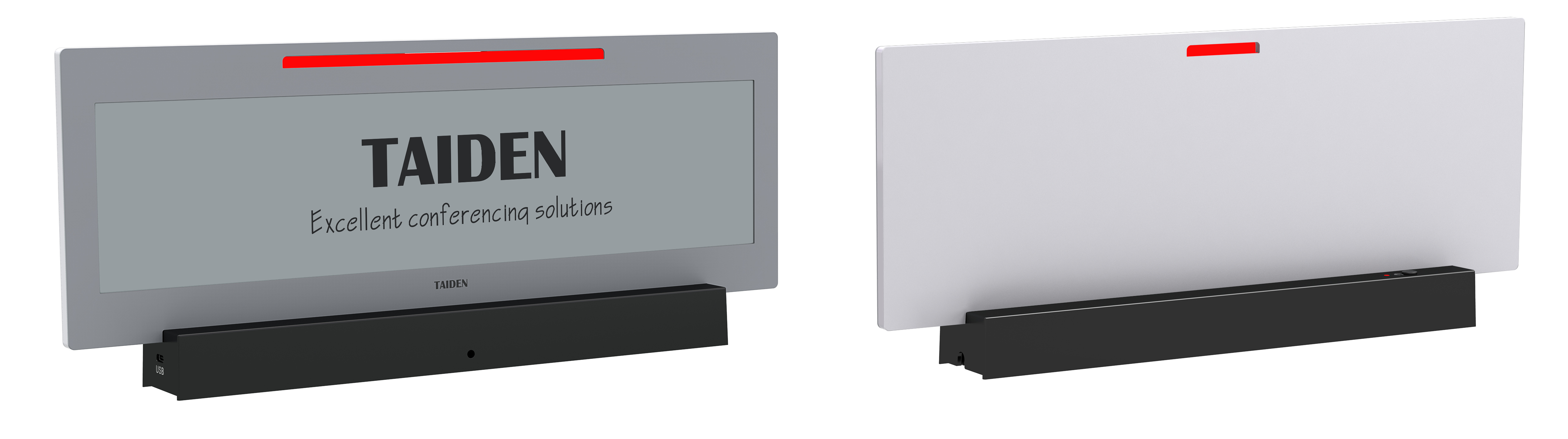
Picture the opening bell: carts rolling, fans humming, and operators queuing at the line. A digital name plate glows softly beside each rack, while the old paper tags curl at the edges. On days like this, the small stuff matters—one mislabeled bin can mean 200 extra steps, 6% rework, and a late truck. You can smell the solvent, hear the beeps, feel the clock. Data shows that label updates lag by an average of 45 minutes in mixed workflows. That is time you never get back. So here’s the big question: do your labels speak the truth in real time, or only when someone remembers to update them?
We’ll compare what you have to what you could have, without fluff. We’ll also dig into the why behind the misses (and what the sensors see that people don’t). Stay with me—your next shift will thank you.
Hidden Friction: Where Traditional Labels Trip You Up
What’s the snag you can’t see?
Let’s be direct. Paper tags and basic LCD badges look cheap up front, but they hide costly drift. Printed labels fall out of sync with the ERP during rush hours; batch IDs change, but tags don’t. Aisle captains walk the floor to fix it, and that walk is your burn rate. Meanwhile, audit trails break, because there is no reliable event log. In short: the display and the data part ways—funny how that works, right? Add in battery swaps on legacy badges, and you’ve got downtime. Without a robust BLE mesh, updates stall at the edges. And if the e-ink display ghosts, operators stop trusting what they see.
Integration is another quiet leak. Devices that can’t accept OTA firmware updates freeze in time. NFC provisioning is missing, so enrollment takes minutes, not seconds. Power is noisy too: mixed rails overwhelm weak power converters, and a label that browns out during a push is a label that lies. Look, it’s simpler than you think: if your endpoints don’t act like edge computing nodes—with a tiny buffer, a clock, and a heartbeat—your system will always chase itself. That chase shows up as overtime, scrap, and a tired team.
Comparative Outlook: Principles That Raise the Bar
What’s Next
Now the forward view. First, modern plates treat the label as a live device. Think e-ink paired with a resilient BLE mesh, plus a gateway that speaks MQTT to your WMS. The device keeps a cached payload and a checksum, so it can fail safe. Clock sync reduces phantom updates. Over-the-air firmware keeps features current without bench time. Provisioning takes one tap via NFC—done. And the power profile matters most: designs built for low power consumption last years, not months, because the radio sleeps smart and the refresh schedule is adaptive. When PoE shelves can backfeed through efficient power converters, even brownouts cause no surprises. Small things, big calm.
Second, treat visibility as a system. Edge computing nodes on carts report status upstream; the gateway sanity-checks, then writes back. If coverage dips, the device queues jobs. No drama—just graceful lag. In pilots, these principles cut relabel time by half and slashed location errors by a third. That’s not magic; it’s sensible plumbing, with buffers where bottlenecks live—and then it clicks. To choose well, use three metrics: 1) update integrity under load (packet loss, retries, time-to-consistency); 2) lifecycle math (battery life, maintenance minutes, total power budget); 3) integration depth (ERP/WMS hooks, OTA cadence, security model). Keep those three in view, and your floor runs cleaner, quieter, steadier. For a mature ecosystem built on these ideas, see TAIDEN.