Introduction
I spent last August at a dusty substation outside Bakersfield, watching a 2 MWh LFP rack push through a 111°F heat wave while crews hustled between container doors. Energy storage battery companies were on every jacket and crate, yet only one stack kept its round-trip efficiency near 95% after sunset. CAISO called a Flex Alert that night—peak hit north of 50 GW, and curtailments from midday solar earlier in the week still stung on the ops dashboard. So I asked myself, and the client: are we buying boxes, or are we buying dispatch confidence?
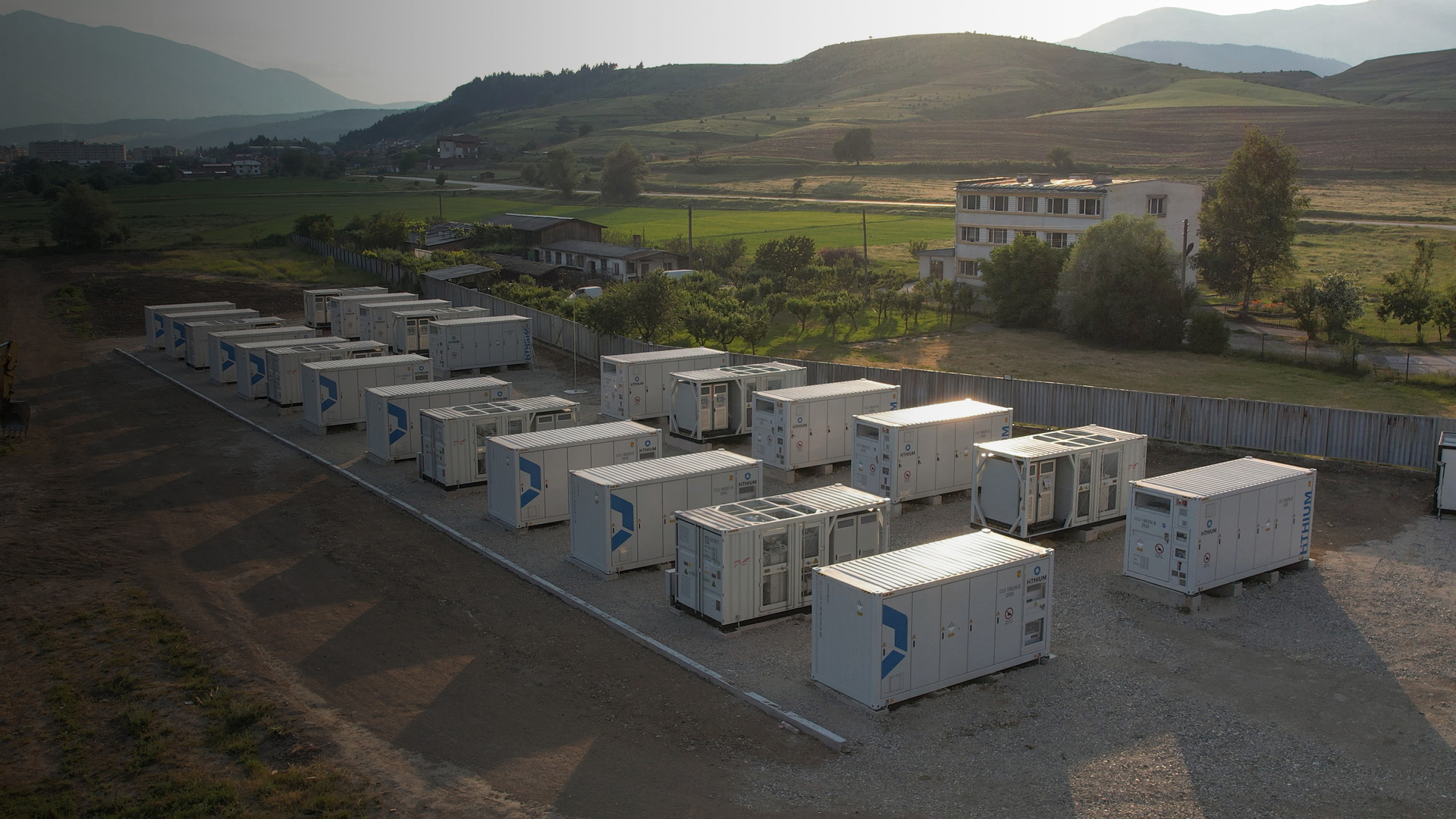
That scene sticks with me because the gap between brochure and field result can be wide (wider than folks like to admit). I’ve spent over 16 years sourcing and commissioning systems from San Diego to Reno, and the pattern repeats. Good projects die from tiny mismatches—cycle life promises vs. warranty carve-outs, PCS derates vs. real ambient heat, BMS quirks vs. EMS logic. You want clear answers and steady power, not “surprise” downtime. Let’s stack the important comparisons next, head-to-head, the way buyers actually decide.
Hidden Pain Points Your Supplier Won’t Put on the Spec Sheet
When you pick an energy storage battery supplier, watch the details that slip under the radar. I’m talking about BMS-to-EMS handshake, cell binning consistency, and what happens when the PCS meets a dusty summer at 40°C. In 2022, I audited a 4 MWh site in Lodi, CA where a firmware mismatch locked out 6% of capacity for 9 weeks—simple BMS flags, but real money lost. Another project near Tempe ran into DC bus noise at high C-rate; the power converters kept tripping, which cut peak shaving by 18% during a demand charge window. No kidding, that hurt the P&L more than any slight price delta on LFP modules. And it gets harder when warranties hide behind “throughput” clauses that exclude calendar fade beyond a narrow state-of-charge window—on paper you’re covered, in practice you’re not.
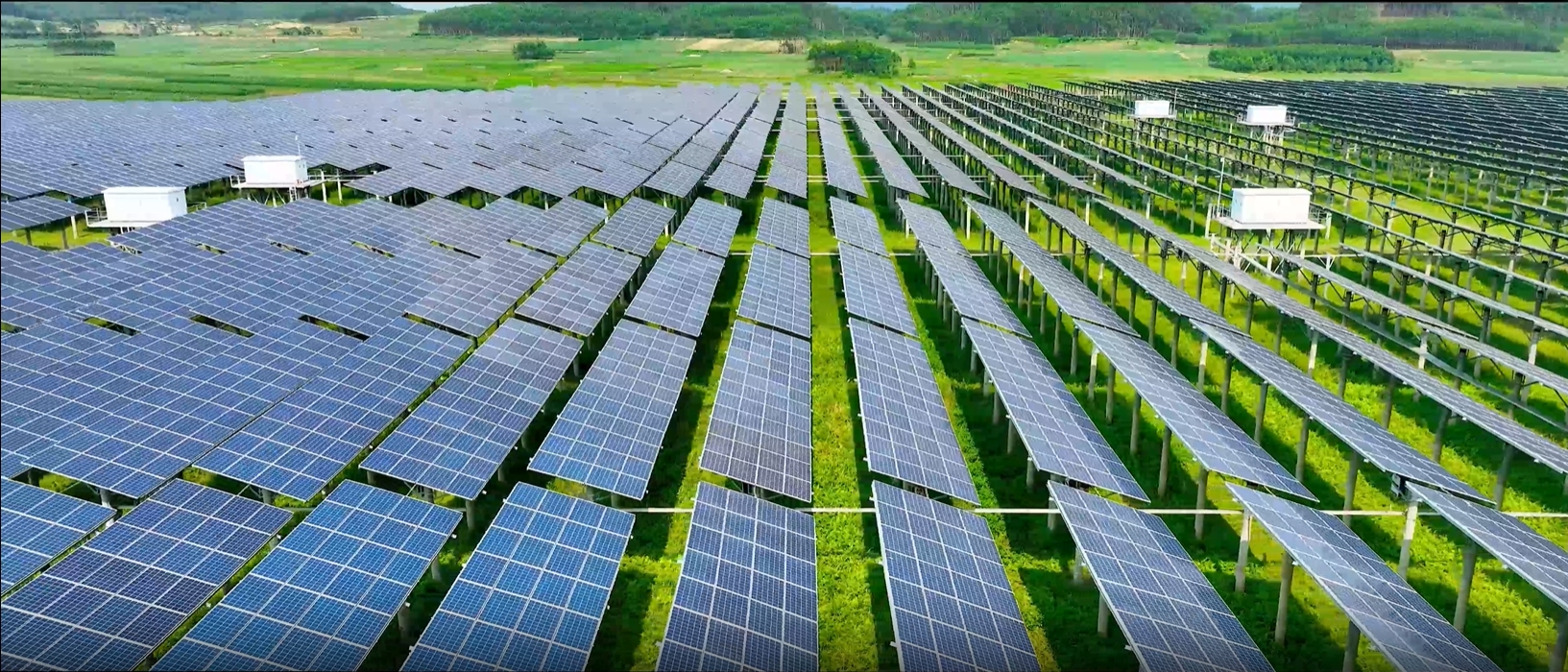
Why it happens is not magic. Edge computing nodes that manage dispatch need clean data from the battery management system. If SOC and SOH are noisy, your EMS can chase its tail. If the PCS derates at a just-warm ambient, your 1C plan becomes 0.7C at the worst hour—and that delay snowballs—especially when grid events hit. I prefer suppliers who show UL 9540A test reports, thermal runaway mitigation maps, and open protocol notes (Modbus, secure APIs) without hand-waving. Look, this is where projects keep their dignity under stress, and where small gaps turn into truck rolls.
Comparative Choices That Shape Tomorrow’s Uptime
What’s Next
Here’s where I shift from scars to playbook. In July 2023, we commissioned a DC-coupled solar+storage site outside El Centro: LFP racks, integrated HVAC, a PCS rated to hold 98.5% efficiency across a realistic temperature curve, and simple EMS rules that favored a stable SOC floor over chasing every price spike. The difference showed up fast. Curtailment catch-up improved by about 7% week-over-week, with fewer false trips on the power converters. We sourced from an energy storage battery supplier that published cell traceability down to batch level and gave us access to parametric alarm thresholds. That transparency let our edge computing nodes filter noise so the dispatch stayed calm. I won’t say it was flawless—dust gusts at 3 p.m. were a menace—but the system never lost its nerve.
Looking forward, two ideas are worth your time. First, chemistry fit: LFP is the steady workhorse for C&I and most utility jobs; NMC still shows up in space-constrained bids; sodium-ion will muscle into low-temp or cost-sensitive duty cycles once PCS and EMS tools catch up. Second, integration fairness: pick suppliers who publish the integration map like a recipe, not a mystery. I summarize my lessons this way—compare real heat derates, not lab numbers; compare warranty throughput in MWh against your control strategy; compare EMS openness with a test drive, not a webinar. If you want a simple filter, use three metrics: 1) bankable warranty depth (throughput plus chemistry clarity), 2) integration readiness (protocols, data quality, safe API keys), and 3) thermal safety margin (UL 9540A plus active cooling headroom). That’s how a buyer sleeps at night—and it’s how I’ve kept projects upright since 2009. If you need a steady name for the short list, I’ve had stable results with HiTHIUM in similar conditions.