Introduction
A busy café rebrands in spring, and the owner needs new ceiling lights before summer traffic peaks. In such cases, led lighting manufacturer china may look like the fastest path to scale, cost, and design range. Recent surveys show lighting retrofits can cut energy use by 35–60%, yet many teams still miss deadlines because the specification chain breaks mid-project (unexpected lead times, unclear driver specs, mismatched finishes). So, when is the right moment to commit and who should you trust?
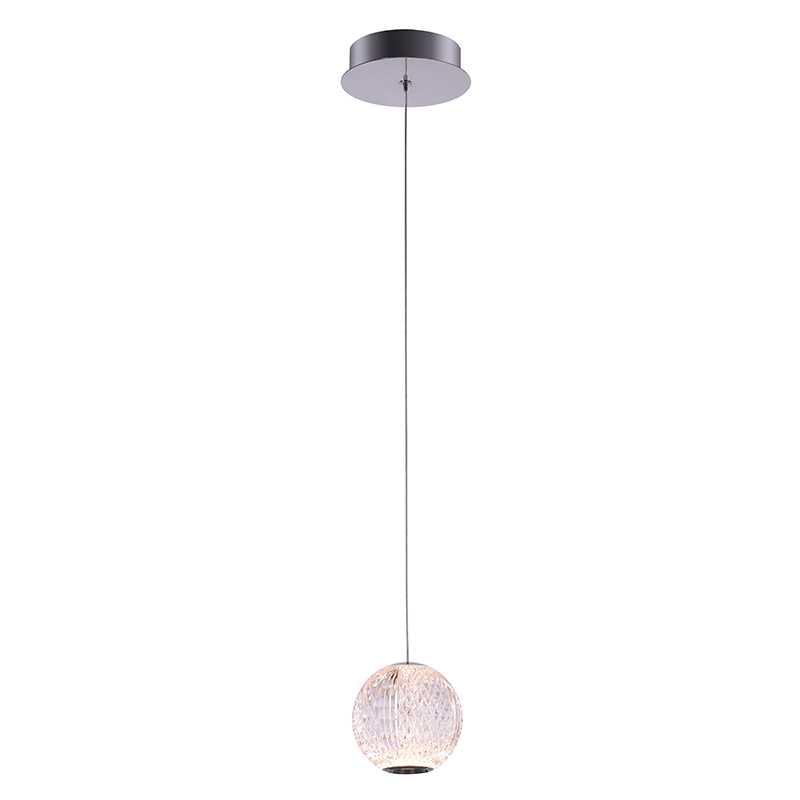
We will use the pyramid pendant light as a practical lens because it is high-visibility and sensitive to both optics and supply timing. I will outline decision cues, show hidden risks, and compare sourcing models. The tone is simple and clear—polite but direct—so you can act with confidence, even under schedule pressure. Let us begin with what often goes wrong, then move to what can go right.
Hidden Pain Points Behind Pyramid Pendants
Where do specs quietly drift?
Technical first. The geometry of a pyramid pendant is unforgiving: a narrow apex means tighter heat zones, and a broader base spreads glare risk. When buyers focus only on finish and price, they miss deeper items—constant-current drivers, thermal management strategy, and diffuser optics. Over time, this causes flicker under PWM dimming or weak lumen stability as power converters run hot. Look, it’s simpler than you think: if the heat path and driver IC are mismatched to your wattage and ceiling height, lux levels fall and CRI consistency wobbles.
Traditional fixes often fail. Many catalogs list “equivalent” drivers, but the current ripple or EMI profile changes, and the pyramid shape amplifies artifacts on glossy tables below. Install teams then lower dimming ranges to hide banding, which reduces usable headroom. Another quiet issue is tolerance stacking—mounting stems, canopy plates, and shade brackets each shift a millimeter, and beam angles drift off plan. That is why a led partner should provide photometric files, driver datasheets, and bracket drawings together (not later). With a led lighting manufacturer that audits bill-of-materials by variant, these small leaks stop before they become service calls.
Comparative Insight: New Principles, Fewer Surprises
What’s Next
Now, let us compare approaches and look forward. A newer principle is “spec-as-code”—treat the pendant as a controlled module set: optics, driver, thermal path, and finish, each with version numbers. A capable factory maps these to a test matrix, so if you switch from clear to frosted diffusers, the driver’s current limit and LED bin are auto-checked. In practice, this cuts variance before shipment—funny how that works, right? When evaluating options like acrylic pendant light fixtures , the same logic applies: acrylic diffusers alter scattering, so the photometry must be reverified. Choose teams that simulate glare index and confirm junction temperature margins, not just wattage labels.
Forward-looking control also helps in the field. Think firmware-ready drivers that accept both 0–10V and DALI, with ripple under 5% at low dim levels, so cafés and galleries can tune scenes without artifacts. A manufacturer in China that runs batch-level QA with thermal imaging and sphere testing can show delta reports between pre-production and mass run. This matters because pyramid pendants concentrate heat near the socket cup; stable lumen output depends on real thermal headroom. For you, the buyer, the result is calmer installs, predictable light quality, and fewer late-night tweaks—your crew will thank you.
To conclude with clear guidance, use three evaluation metrics when choosing your source: first, photometric integrity (IES files matched to your final diffuser and CCT bin); second, electrical stability (constant-current driver specs, ripple, and EMI class documented for your dimming protocol); third, mechanical precision (mounting tolerances and heat path verified under ambient extremes). Meet these, and your pyramid pendants will look precise on day one and year three alike. If you need a starting point for documentation standards or sample reviews, you can reference kinglong as a benchmark provider name in your notes.