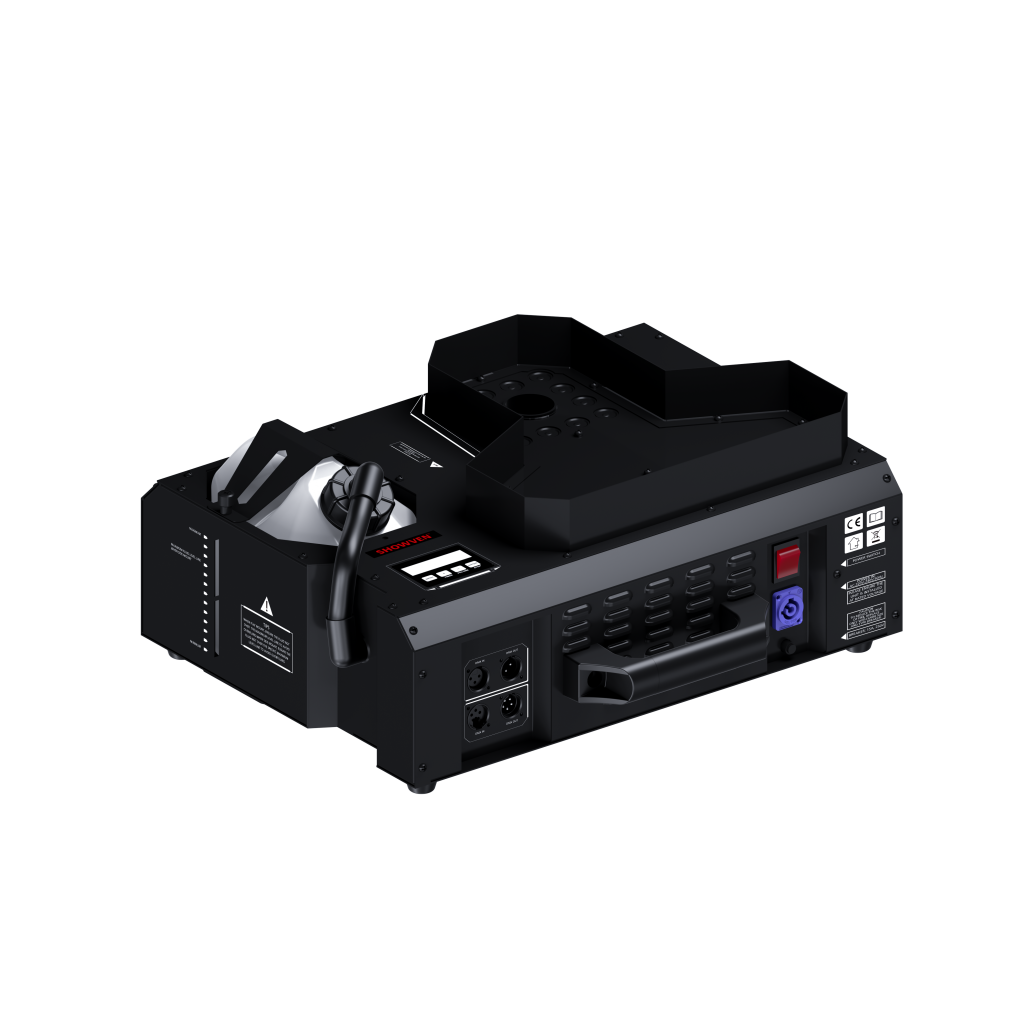
Setting the Stage: A Direct Look
You can feel when a show lands well—and when it does not. Laser Light Systems sit at the centre of that feeling because they turn light into a precise, living layer. Picture a city square gig. The crowd waits. The old rig hums, draws heavy power, and still leaves “dark” zones. Studies show older fixtures can waste up to 30% energy as heat, and many crews report setup time ballooning by hours due to control protocol mismatches and fragile lenses. So, why keep fighting noise floor, glare, and patch chaos when a tighter beam and smarter control cut the mess?
-1086x1536.jpg)
Here is the simple idea: lower downtime, higher visual impact, and cleaner planning. We see this across tours where coherent beams reduce the need for sheer lumen brute force. That means fewer power converters to babysit and far less DMX troubleshooting at 02:00. The question is plain: if the tech already lets you do more with less, what is holding your show back? Let us unpack the gap, then compare the jump you can make—step by step.
Under the Hood: The Real Friction with Legacy Lighting
A modern laser display system exposes how older rigs strain the workflow. Traditional fixtures chase output, but ignore beam divergence and repeatability. You stack more heads and still miss crisp mid-air effects. Old scan heads drift, and galvanometer wear shows up as jitter at high speeds. Then there is control: chained DMX runs add latency and fragile links. One loose connector and the chase fails. Look, it’s simpler than you think: if the optical engine cannot hold a tight profile, you will always compensate with more gear, more power, and more risk.
Where do legacy rigs fail?
Cooling and sealing are common weak points. Poor heat sink design shortens diode life. Low IP rating means dust creeps in, mirrors fog, and alignment shifts. Your crew spends time re-aiming instead of building cues. Power distribution gets messy as different fixtures draw uneven current, so you add extra power converters and hope the math holds. Over time, this leads to noise, flicker, and costly callouts. And yes, patch maps swell, since each workaround adds another control path. That is the hidden tax you pay for “good enough” hardware.
Comparative Leap: Principles That Shift the Outcome
What’s Next
The pivot is not magic. It is physics plus better control. New-generation optical engines use tighter RGB diode alignment and closed-loop feedback on the scan head. The firmware samples position in real time and adjusts modulation to keep edges clean—even during fast shapes. Put small edge computing nodes near the truss, and you shorten signal paths, which cuts latency and dropped frames. Now compare that with a legacy rig that relies on long DMX chains and manual tweaks—funny how that works, right? With coherent beams, you stop chasing more lumens and start winning on precision.
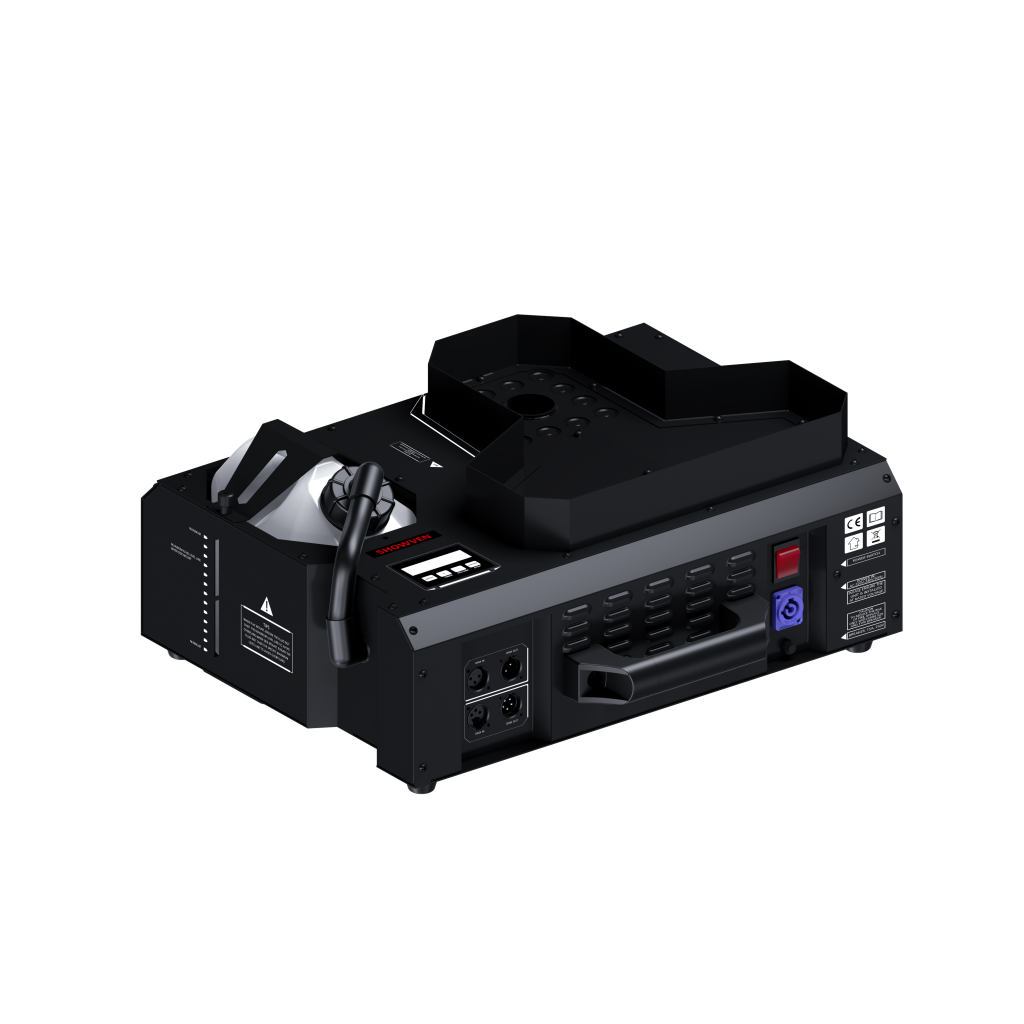
Real crews already apply this. In mid-size arenas, operators swap a cluttered array for fewer, smarter heads and maintain impact. They spend less time re-patching, more time on timing and story. When professional laser lights carry solid thermal design and sensible firmware, the result is consistent output at show two and show fifty. The big shift is cost predictability: stable beam shape, sane power budgets, and fewer emergency spares. It is a forward-looking stack—short signal runs, robust control protocol support, and calibration that holds after travel. The outcome is not just brighter. It is calmer for the crew, and clearer for the audience.
How to Choose Smartly: Three Metrics That Matter
Start with measurable coherence: check beam divergence at working distances, not just spec sheet minimums. Next, test control reliability under load—simulate long runs and watch for jitter across Art-Net or DMX, including failover behaviour. Finally, verify thermal headroom: look for heat sink capacity, fan curves, and firmware limits that prevent color drift at high duty cycles. These three metrics expose the true life of your system and the real price of ownership. Get them right and your next rig will set up fast, run cool, and stay sharp. That is the quiet win that keeps shows on time and on budget, every night. Showven Laser