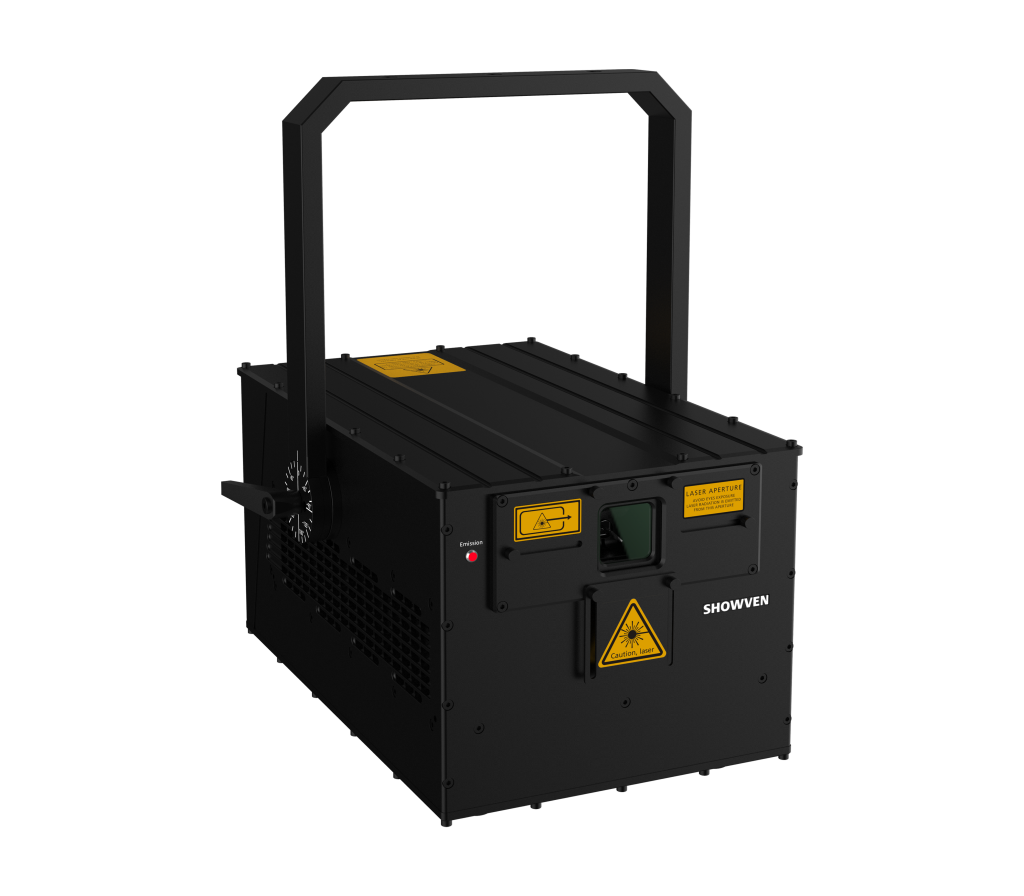
A Night in Lights, and the Quiet Math Behind It
The crowd gathers as dusk slips into blue, and the square waits for a story told in light. An outdoor laser projector manufacturer stands behind the curtain, trying to turn risk into ritual. With outdoor laser projectors staged on rooftops and truss, the crew checks temperature, humidity, and the hard limits of power. Here is the truth that hides in plain sight: more shows fail from slow variables than sudden storms. Field reports often point to moisture ingress near connectors, thermal throttling under long cues, and stray EMI that rides dirty power. Yet the brochure sings about lumens. Studies from city festivals show that uptime over 72 hours is the real milestone, not only peak brightness. And still, a single grain of dust in a fan path can bend the whole night out of shape (it sounds small; it isn’t). So we are left with a simple, hard question: if the square asks for wonder, what should we ask from the maker—numbers, or proof in how those numbers survive the night?
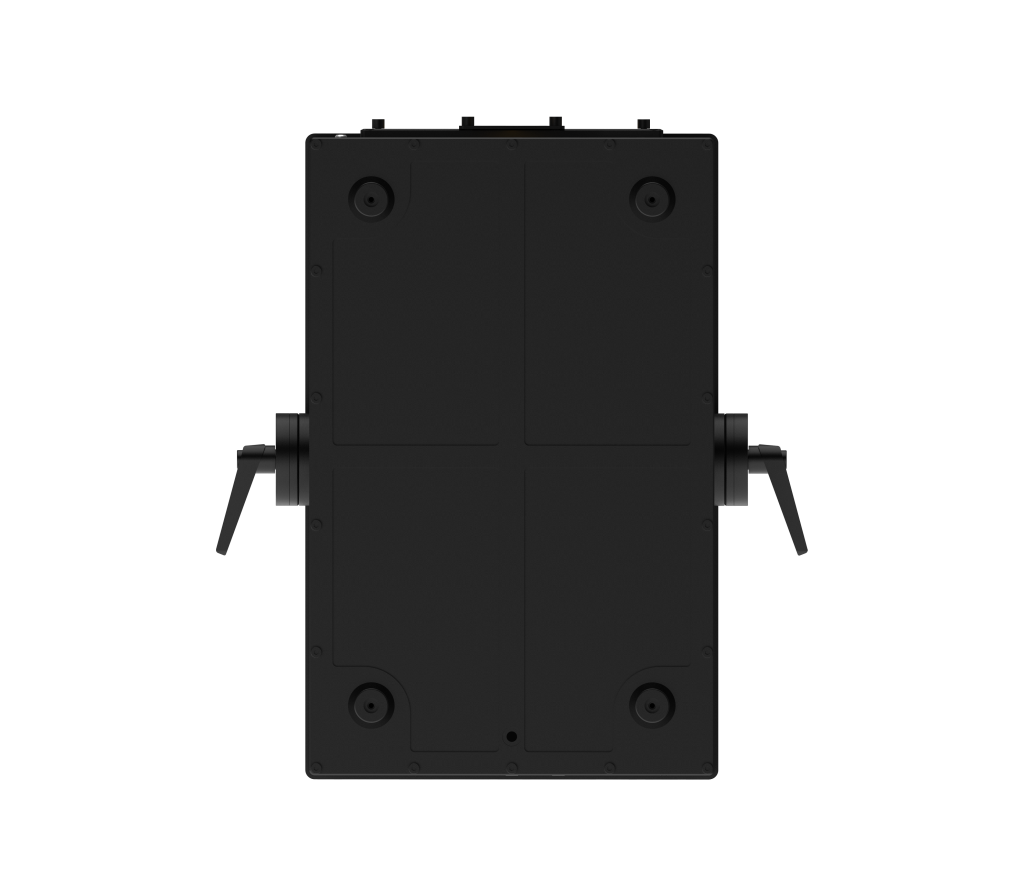
Let us step closer and weigh what too few compare, line by line, show by show.
The Hidden Costs Users Feel First
Where do the real costs hide?
Look, it’s simpler than you think. The pain starts where spec sheets end. Users notice flicker before they notice wattage, because galvanometer scanners drift when heat is not managed well. They see hazy lines when beam divergence creeps beyond the plan. An IP65 enclosure helps, but the seal around signal ports often becomes the weak point—funny how that works, right? Cheap power converters can inject ripple that the DMX protocol does not forgive during tight cues. And when rain meets a warm chassis, micro-condensation forms, then dries, then forms again; over weeks, that cycle writes its own failure. A good unit is not only bright. It holds geometry under load, and it keeps its shape when heat climbs and falls.
There is also the quiet game of timing. Edge computing nodes near the rig can cut control latency, yet many deployments still route everything through a distant rack, stacking delay on delay. Cable runs get long. Grounds get messy. Fans scream at one speed because the firmware has no PID curve, so the noise floor rises while cooling stays uneven. Service windows slip because logs are local only, and diagnostics travel by phone photos. Users pay in rework, in missed cues, and in sweaty midnight reboots. These are not glamorous failures; they are slow leaks. And they shape trust more than any demo reel.
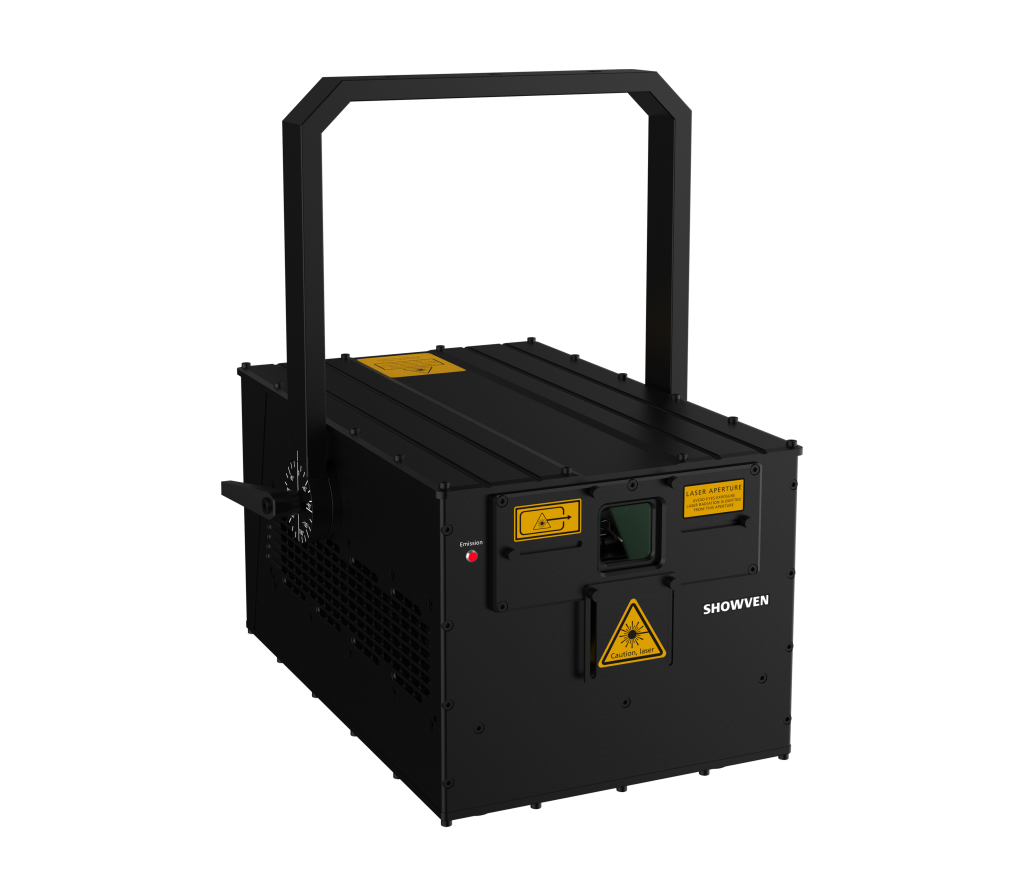
Comparative Lens: Principles That Change the Game
What’s Next
Forward-looking systems fix the weak links with clear principles, not shortcuts. First, sealing is not just IP text; it is smart venting, conformal coating, and connectors that shrug off salt fog. Second, thermal management must be active and graceful: phase-change heat sinks, tuned fan curves with PID control, and derating that holds output stable instead of pulling it off a cliff. Third, optics: better beam shaping and tighter galvo calibration mean the same pattern at minute one and minute ninety. Add edge computing nodes on the truss for real-time cue correction and health checks, and your rig stops guessing. When buyers compare laser lights for outside, these principles carry more weight than a bold lumen claim—because the night is long, and weather is a patient critic.
Here is the practical frame to choose well. One, environmental resilience: verify the IP rating with real test data, look for MTBF that is measured, not modeled, and ask about salt-mist and thermal shock reports. Two, optical integrity under motion: demand beam divergence in mrad at working distance, scanner speed in kpps with linearity charts, and proof of geometry after heat soak—yes, after. Three, system and service: remote logs, firmware rollback, hot-swappable spares, and power factor–corrected supplies that keep EMI quiet. These checks make comparison honest. They also turn unknowns into odds you can live with. In the end, we judge by how a city square feels at the final cue—clear beams, calm fans, steady silence between notes. That is the metric that matters most—and yes, it matters. For readers mapping their next spec, a maker like Showven Laser offers a useful reference point for how these principles come together without the noise of hype.