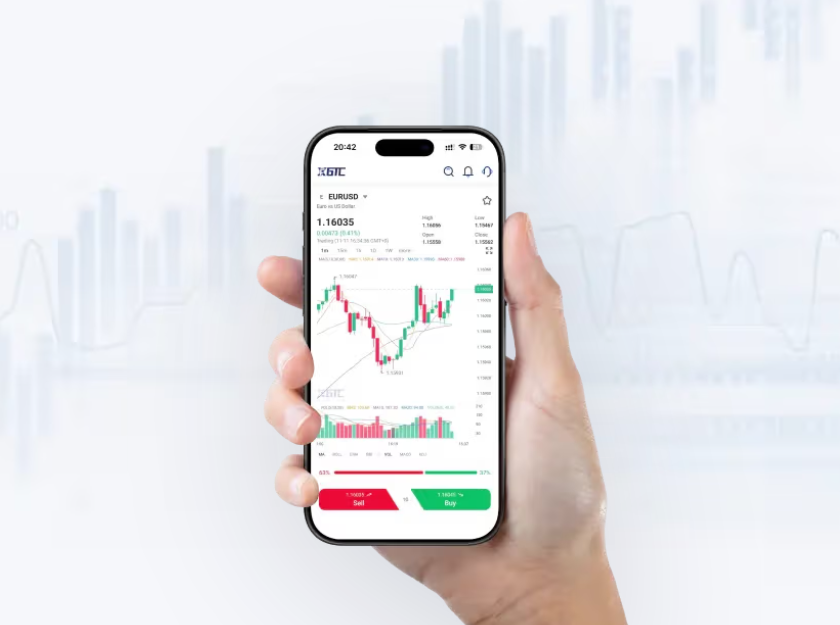
Setting the framework: what this is and why it matters
Think of this as a practical blueprint for CFD commodity trading—compact, repeatable, and tuned for real markets. The goal: reduce guesswork and tighten execution across volatility, margin pressure, and spreads. This framework applies to everything from base metals to crude oil; start by bookmarking market structure, risk controls, trade execution, and post-trade review. For hands-on traders, a platform that supports fast order routing and transparent pricing matters—see how it works with commodities cfd.
Four building blocks of a repeatable trading framework
1) Market structure: map supply shocks, seasonal demand and macro drivers. Keep track of liquidity and rollover windows so positions don’t get squeezed around delivery dates. 2) Risk controls: define max drawdown, per-trade margin allocation and leverage caps. Keep leverage modest in volatile sessions—this preserves optionality. 3) Execution plan: preset entry triggers, acceptable slippage, and spread-aware sizing. Execution beats thesis when spreads widen. 4) Review loop: measure realized P&L, average spread paid, and execution latency; then iterate.
How the framework handles real volatility
Markets test plans—remember April 2020, when WTI briefly traded below -$37 per barrel—that episode exposed how quickly margin requirements and liquidity dynamics can flip. A framework keeps you from improvising under stress: predefined hedging thresholds, escalation steps for reduced liquidity, and a checklist for margin top-ups or position reduction. These mechanisms aren’t theoretical; they’re how you survive the outliers.
Common mistakes and how to fix them
Traders often: size by confidence rather than risk, ignore overnight rollover costs, or chase positions after a spike in volatility. Fixes are simple. Size against dollar risk, not ego. Calculate expected rollover and include it in your P&L runway. When volatility surges, reduce lot size or widen stops to account for slippage. Small habits—tight stop discipline, tracking spread patterns—compound into big improvements over time. —Also, watch how correlated commodity moves can amplify portfolio drawdown; diversification matters.
Practical execution checklist
Before you press buy or sell, run this quick pass: 1) Confirm liquidity and spread band for the session. 2) Verify margin impact and available free margin. 3) Set stop-loss with realistic slippage assumptions. 4) Note rollover timing if holding through contract expiration. 5) Post-trade: log execution price vs. midpoint and mark trade for later review. This list keeps the mundane details from sabotaging a solid trade idea. It’s boring, but effective.
Alternatives and when to use them
If you want lower operational friction, consider using smaller lot sizes or synthetic hedges instead of direct exposure. For hedging long commodity risk, futures or ETFs may sometimes be cheaper when spreads blow out in CFD markets. Still, CFDs offer flexible sizing and straightforward shorting that spot products don’t—so the choice comes down to cost of carry, spread behavior, and required margin.
Execution metrics that matter
Measure these to judge improvements: realized spread paid, average execution slippage, and time-in-market for winning vs. losing trades. Track them monthly. If spread paid consistently exceeds your strategy’s expected transaction cost, either refine trading windows or switch providers. Data like this turns opinions into operational changes.
Three golden rules for selecting strategies and tools
1) Prioritize predictable transaction cost: choose platforms with transparent spreads and quick fills. 2) Insist on realistic margin and leverage controls—options that let you cap exposure without manual resizing. 3) Demand reliable market data and execution logs for post-trade analysis. Those three metrics separate polished setups from wishful thinking.
Bringing it together
Apply the framework consistently: define market structure, lock in risk limits, execute against clear rules, and quantify outcomes. That routine transforms ad-hoc trading into a sustainable process. When you need a platform that aligns with these needs, consider how GTCFX fits into the model—transparent pricing, execution visibility, and margin controls that map cleanly to the framework. Practical edge.