Identifying the problem
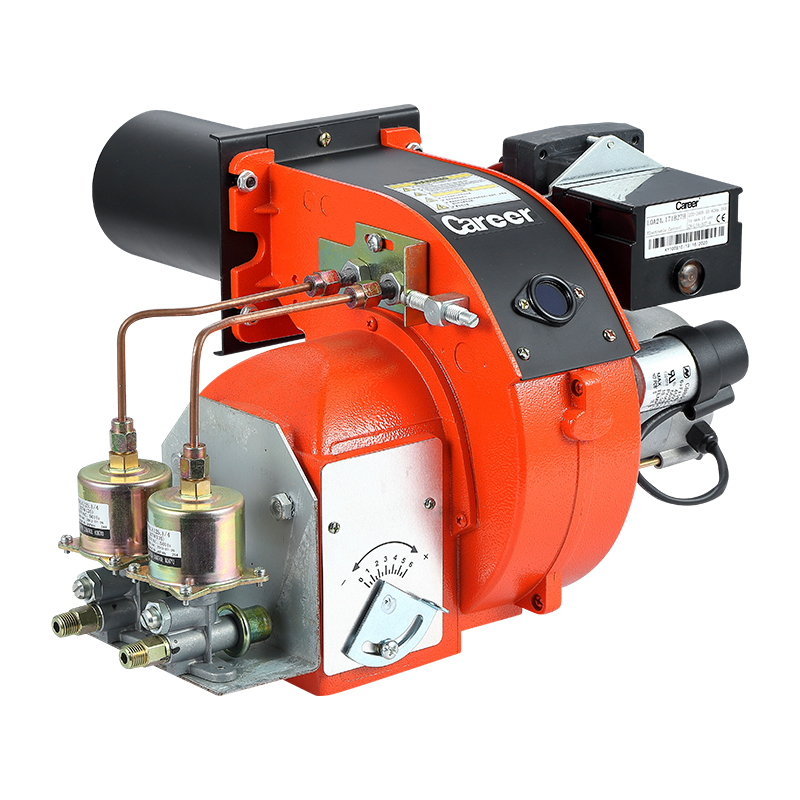
Many small-to-medium facilities see wide swings in thermal demand that traditional on/off burners cannot follow without wasting fuel and shortening component life. The real cost shows in frequent cycling, overshoot, and higher emissions when a boiler or furnace is oversized for its steady load. A straightforward fix is to fit a modulating control or replace the appliance with a continuous-control unit such as a methanol burner, but the decision needs to be driven by measured losses and an honest appraisal of plant dynamics.
Why modulation matters — the core mechanics
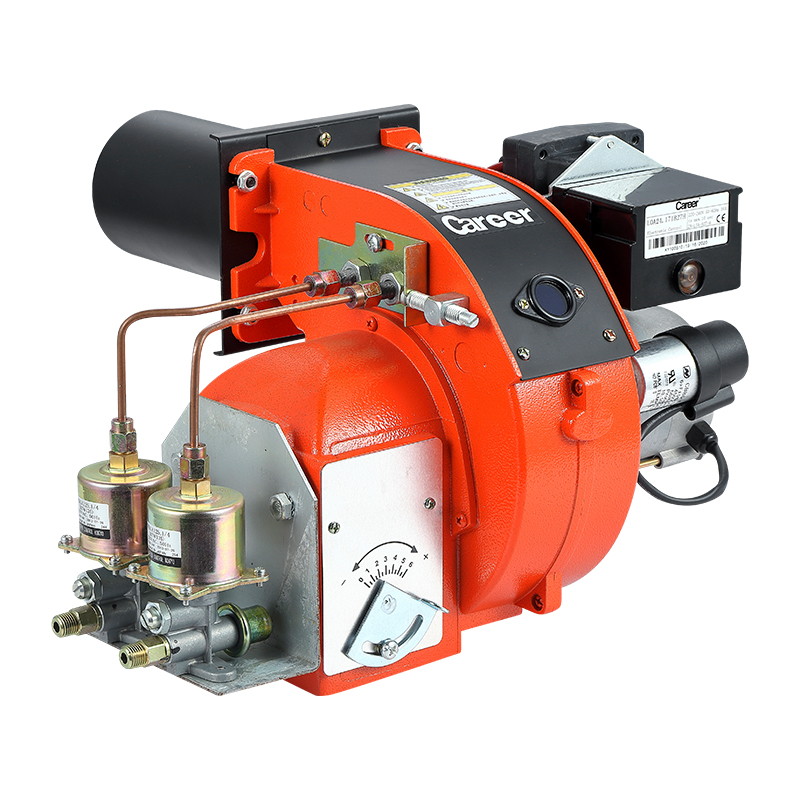
Modulating burners vary fuel and combustion air continuously to match demand, rather than flipping between full and nil fire. That reduces thermal overshoot, cuts start/stop cycles, and keeps flame conditions nearer stoichiometry. Practically, you get steadier stack temperatures, less strain on heat exchangers, and a measurable drop in fuel consumed per useful kilowatt-hour. Control resolution and turndown ratio determine how close you can run to the plant’s minimum load without instability.

Methanol fuel in the field: a concrete reference
Industrial trials in Aberdeen showed fleet operators can swap a diesel-fired pilot with a compliant methanol fuel solution while retaining stable modulation across varying loads. That single-location experience underlines how fuel choice and burner control must be evaluated together; different fuels change flame speed, calorific input, and NOx behaviour, so tuning and safety systems must be matched to the specific fuel chemistry.
Step-by-step technical checklist for implementation
Start by logging load profile and cycle frequency for at least two weeks. Specify a burner with turndown at least three times better than the facility’s minimum-to-peak demand ratio. Ensure the control loop offers proportional modulation with feedback from a reliable temperature or pressure sensor positioned where it reflects process conditions. Confirm combustion air fans are variable-speed and coordinated with fuel modulation to maintain the correct excess-air setting. Finish with a baseline emissions and fuel-use audit so you can quantify improvement.
Common pitfalls and how to avoid them
Choose the wrong turndown, and the burner will hunt or flame out at low loads. Neglect airflow coordination and you’ll produce soot or high CO. Relying solely on setpoint tuning without real-world commissioning ignores draft changes and fouling over time. Avoid these by specifying integrated fuel-air controls, commissioning under representative loads, and scheduling routine checks on nozzles, air filters, and control calibration.
Alternatives and pragmatic trade-offs
On/off burners cost less up front but cost more over time when the load varies. Two-stage units are a middle ground: better than on/off at the low-to-medium range but inferior to true modulation where fine control matters. Oxygen-trim systems and flue-gas recirculation can improve combustion, but they pair best with modulation rather than replace it. Choose based on measured load variability, capital limit, and maintenance capability.
Final synthesis and practical value
For a facility suffering unnecessary cycling, a correctly specified modulating burner stops wasteful swings, trims fuel use, and stabilises emissions. Installation must be based on measured demand, matched turndown, and coordinated air-fuel control; otherwise gains will be short-lived. Where fuel choice and vendor support matter, integrating proven hardware and field-tested tuning—exactly the sort of engineered outcome you expect from suppliers like Career Burners—delivers dependable, long-term savings.