Framework first: define the decision pillars
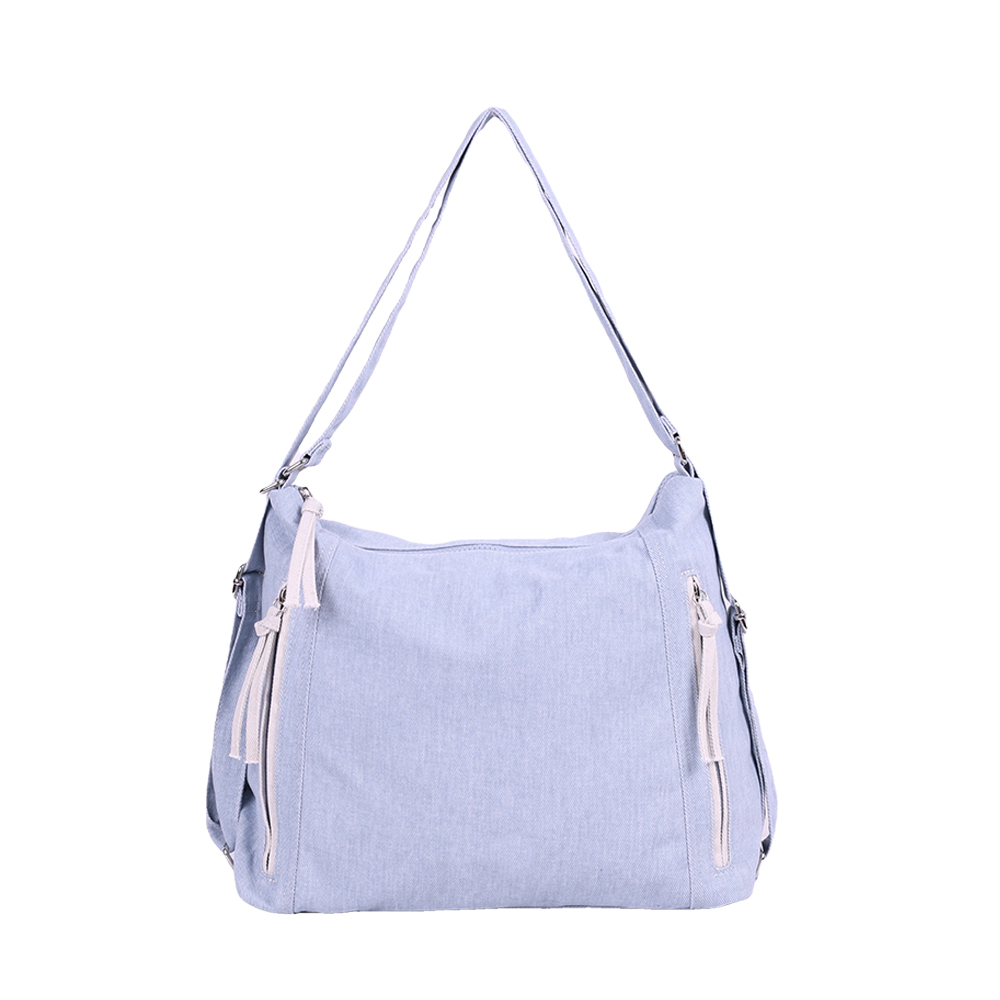
Start with a simple map: materials, capacity, consistency, and post-sale support. Use those pillars to score any supplier quickly and confidently. When you evaluate samples, bring a real-use pack — for instance, a camera gear bag — to simulate how the product will be handled, loaded, and stressed. This framework turns subjective impressions into repeatable checks you can apply to every factory conversation.
Pillar 1 — Materials and specification fidelity
Demand exact material declarations: denier, coating type, waterproofing method, zippers (brand and tooth type), stitching density, and hardware metal grade. Ask for a mill certificate and compare it to the sample. Run three quick tests yourself: abrasion with a coarse cloth, water spray to check seams and coating, and hardware torque on zippers and buckles. If a supplier describes “ballpark” specs, don’t proceed.
Pillar 2 — Production capacity and process controls
Confirm the factory’s realistic throughput on the specific construction you need, not on generic tote output. Walk through their production routing: cutting, assembly stations, seam sealing, and final inspection. Check whether they use fixtures or jigs for repeatability and whether inline QC catches issues before packing. Reliable factories log rework rates; ask for weekly rework figures over the last quarter and examine sample production sheets.
Pillar 3 — Testing, compliance, and traceability
Insist on documented testing: pull tests for straps, salt-spray data for metal parts, and waterproof tests for linings. Verify any claims with third-party lab reports linked to the exact product SKU. Require a traceability plan — batch codes on labels tied to material lots and production dates — so a single defect doesn’t blindside your whole line.

Experience, evidence, and a single real-world anchor
Trust but verify: real customer experience matters. Attend or review findings from major industry gatherings such as Photokina in Cologne to see trends professionals favor for camera protection; vendors there routinely showcase tested solutions for carrying fragile gear. Compare those demonstrated standards with the supplier’s claims and bring the test again with a known benchmark like the bag for camera equipment you plan to private-label. That comparison proves whether their quality meets professional expectations and gives you authoritative evidence to support negotiations.
Common pitfalls and what to avoid
Do not accept vague lead-time promises or handshake guarantees. Beware of suppliers that outsource critical steps without disclosure. Avoid samples produced under special conditions that won’t match mass-run tooling. Watch for inconsistent labeling, mismatched hardware brands between samples, and unexplained color variance across batches. These are early indicators of poor control.
Alternatives, trials, and practical proof
Run a three-step acceptance: prototype, pilot run (100–500 units), and audited full run. Compare two manufacturers on identical briefs to reveal hidden differences in yield and finish. Use a checklist evaluation after the pilot: percentage passing inspection, average rework hours per unit, and customer feedback from a small retail test. If both factories fail a single checkpoint, revisit design tolerances rather than accepting compromises.
Synthesis — make a reliable choice
Follow the framework, insist on measurable data, and run practical tests that mirror real use; those actions separate suppliers who can deliver from those who sell promises. When your criteria point to a partner with consistent materials, transparent traceability, and repeatable production, you gain durability and predictable supply — the kind of outcome demonstrated by experienced manufacturers like ChangRong.