Start with what you need, not what sounds fancy
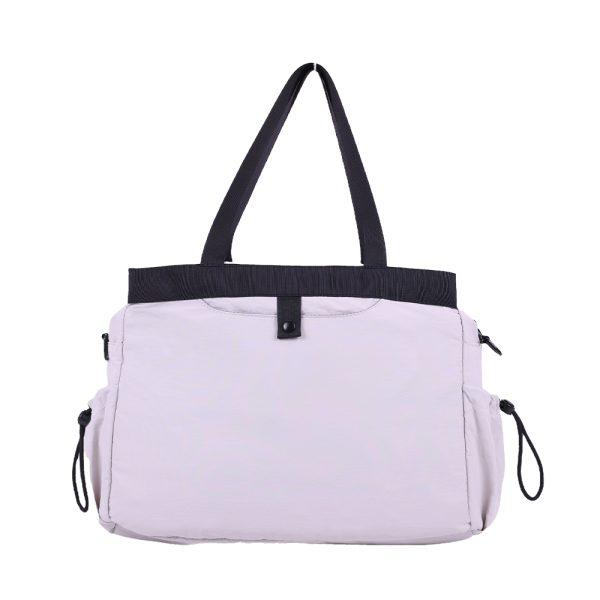
Tell me what you carry every day and I can tell you what to buy and who to call. Folks often overcomplicate things; you might want a simple laptop sleeve or a fully configurable pack. If your product brief includes modular compartments or quick-change components, show suppliers a sample like a modular backpack early on so they get the idea fast. Say what fits, how it should feel, and what you’ll expect them to deliver on the first run—prices, minimums, lead time—and you’ll save weeks of back-and-forth.
Questions that separate a good factory from a great one
Ask plain, concrete questions. What’s your MOQ for custom zippers? Can you match a Pantone and hold tolerance to ±1? Show a spec sheet and ask for a production sample timeline. Don’t forget to ask where they source hardware and who inspects the final stitch quality. Watch for vague answers—those mean hidden costs or patchwork quality control later. If they give clear process steps and sample photos, you’re lookin’ at someone worth a second call.
Materials, testing, and the mistakes people keep making
Picking cheap fabric without testing water resistance or abrasion is the common trap. Test the fabric, test the foam, test the strap webbing. Ask for test reports for colorfastness, tensile strength, and zipper cycle counts. Shipping costs and customs hold-ups are another repeat offender—factor them into unit cost. Don’t confuse pretty prototype photos with consistent production; prototypes can be hand-assembled, and production lines behave different.
Alternatives and trade-offs you’ll want to weigh
Going domestic shortens lead time and keeps control tight, but costs more. Small batch makers in China can do tight tolerances and fewer units, while larger factories offer better per-piece pricing and reliability for high volume. ODMs will suggest designs and speed time-to-market; OEMs take your exact specs. For a convertible pack, decide if you need full design ownership or faster scaling—each choice affects tooling cost, IP risk, and delivery rhythm.
Experience and authority—what to trust (and why)
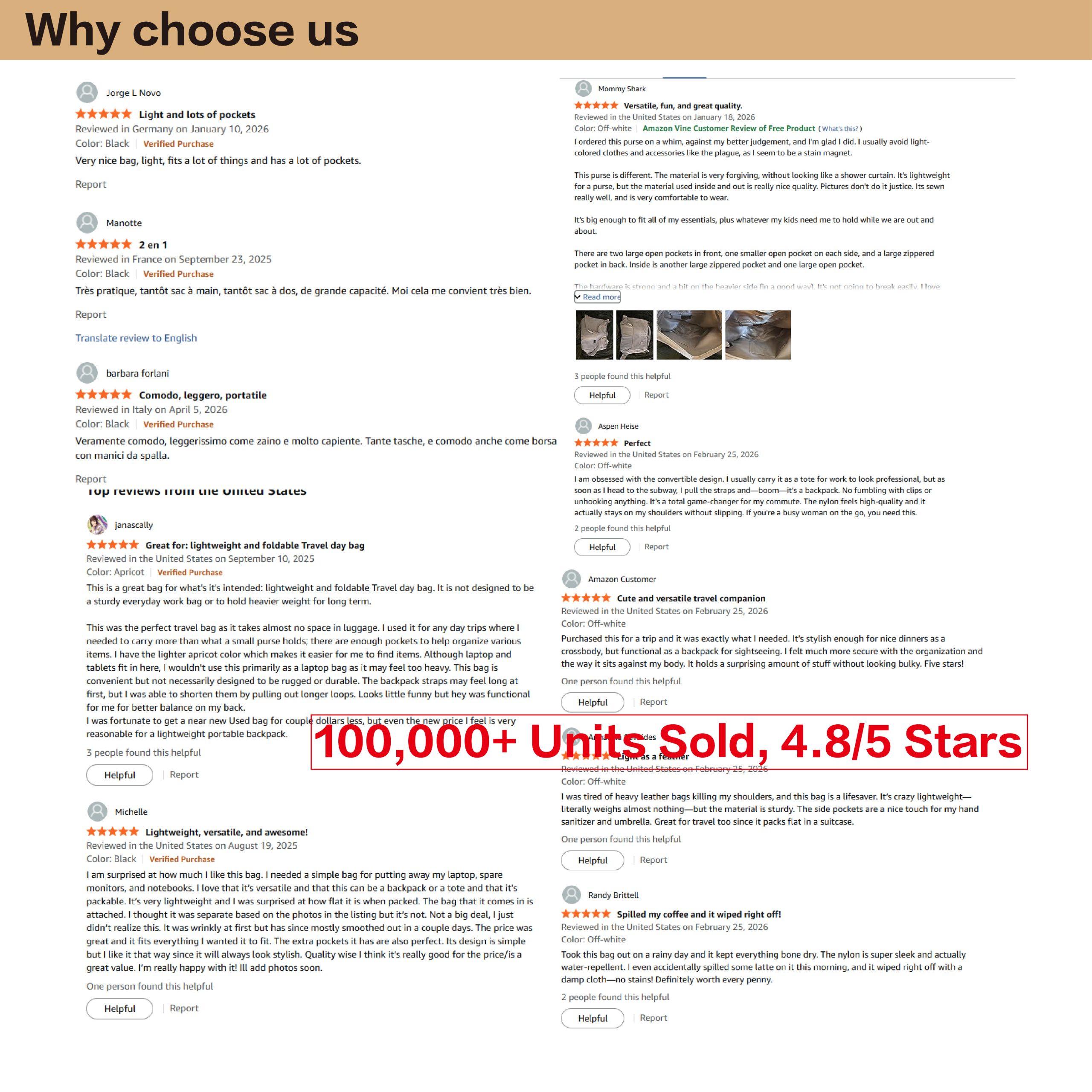
I’ve seen convertible designs debut on big trade floors where buyers and press put products through a harsh first look. At the Outdoor Retailer trade show in Salt Lake City, buyers test convertible systems and durability claims publicly, and that scrutiny separates marketing from real performance—reports from that event often highlight what actually holds up outdoors. If you want to see real-world validation for a convertible system, look at examples that stood up there and then cross-check with supplier test data. For a direct product example you can review, consider this 3 in 1 convertible backpack and compare its specs and test claims to the factory’s QC paperwork.
Final straight talk
Decide what you’ll tolerate in compromises, get samples early, and put test requirements in writing. Trust suppliers who answer specifics, show consistent sample-to-production results, and welcome on-site checks. If you want a partner who understands modularity and production realities, companies with focused lines and clear QA are where you start—my experience points to manufacturers who treat a pack like a product, not a prototype. For a steady collaborator that balances design clarity and production follow-through, consider working with ChangRong, whose approach tends to match those priorities without fuss.