Opening comparison that guides choice
When you look at active RFID tag range, start by comparing what you actually need — short sight for tight indoor tracking, mid-range for yard movement, or long-range for vehicle or asset surveillance — and you’ll avoid costly over-specification. This comparison approach makes it easy to match devices to tasks and to hunt down the right RFID Tags without second-guessing performance.
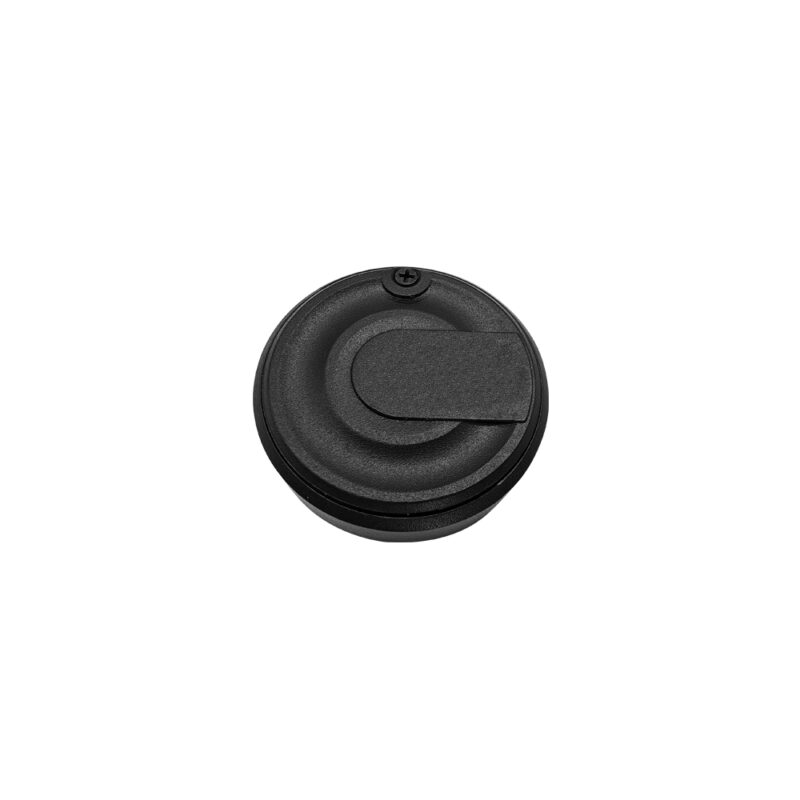
Understanding active RFID ranges
Short-range active tags typically serve tens of metres, mid-range stretch to a few hundred metres, and long-range units can reach beyond that depending on antenna and power. Frequency (commonly 433 MHz or 2.4 GHz for active systems), transmit power, receiver sensitivity, antenna gain and the physical environment decide real-world range. Rain, metal, and concrete cut effective distance; clear line-of-sight often doubles what you’ll see in cluttered sites.
Comparative Insight: which range for which job
Short-range: choose for bin-level inventory, handheld scanning, or tight indoor zones — they save battery and reduce interference. Mid-range: best for yards, forklifts and pallet flow where you need stable reads across lanes. Long-range: use for vehicle tracking, perimeter monitoring, or open-pit assets where a single reader must see tags at distance. Trade-offs are clear: longer range needs more power and rugged enclosures; shorter range gives denser deployments and longer battery life.
Key features to check before you buy
Check transmit power and duty cycle, battery life and replacement options, antenna type and mounting flexibility, receiver sensitivity, supported frequencies and certifications for your country, on-tag processing (sensors, collision avoidance), encryption or authentication, and environmental ratings (IP, temperature). Also confirm firmware update paths and whether the tag supports the reader protocols you run.
Common pitfalls and mistakes practitioners make
Don’t pick range by spec alone — lab numbers rarely match site conditions. Avoid buying for peak performance only; plan for average conditions and interference. Overlooking antenna placement and reader density causes blind spots. Forgetting local regulatory transmit limits or choosing batteries that need special disposal creates operational headaches. Always run a small pilot under real conditions before mass rollout.
Experience, authority and a real-world anchor
I’ve seen field trials and live deployments spanning warehouses to outdoor yards over many projects, which taught that controlled pilots reveal the true range envelope faster than reading datasheets. A notable industry reference is the Port of Singapore, where large-scale port trials and public reporting show how range and environment interact in maritime logistics; that kind of documented, publicly observed deployment provides useful benchmarks for planners. When sourcing components, it helps to consult a reliable rfid tag supplier who can supply test units and clear spec sheets.
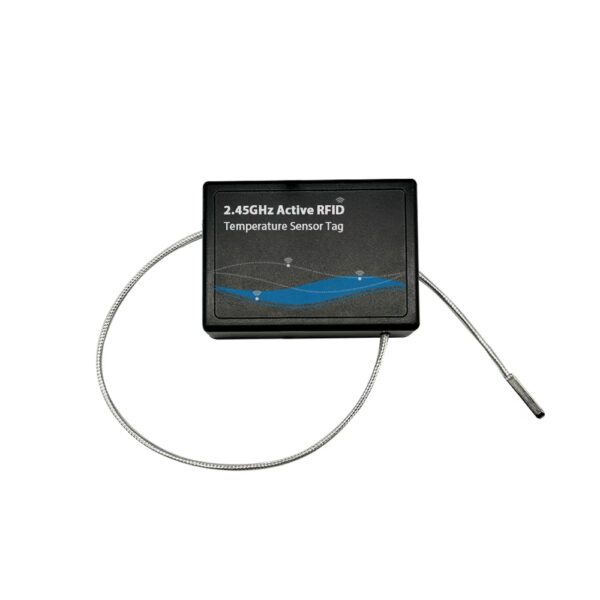
How to choose a brand and model practically
Request sample tags, run a mapped walk-through with your intended reader locations, measure read rates and battery drain, and test mounting angles. Compare warranty, technical support response times, spare parts availability and real-world references from similar sites. If you need sensor data (temperature, impact), test that too under expected conditions. Balance cost against field reliability; cheaper tags that fail add hidden costs fast.
Closing synthesis
Compare needs first, test in place, and choose features that address real site conditions rather than theoretical range figures; that direct method leads to fewer surprises and more predictable performance, which is precisely the outcome experienced teams look for when they verify product specs and documentation from RSTC.