
What to Ask When Seeking Learning Analytics: A Thoughtful Framework
Opening frame: why a framework matters
A request for quote should be more than a shopping list; it must be a map that shows where you want to go and how you will know when you arrive. Start by deciding whether you need exploratory insight, operational dashboards, or interventions that change learner outcomes—then seek an AI learning platform that can respond to that intention. This framework breaks the RFQ into clear, answerable sections so proposals can be compared on substance rather than salesmanship.
Clarify learning goals and decision points
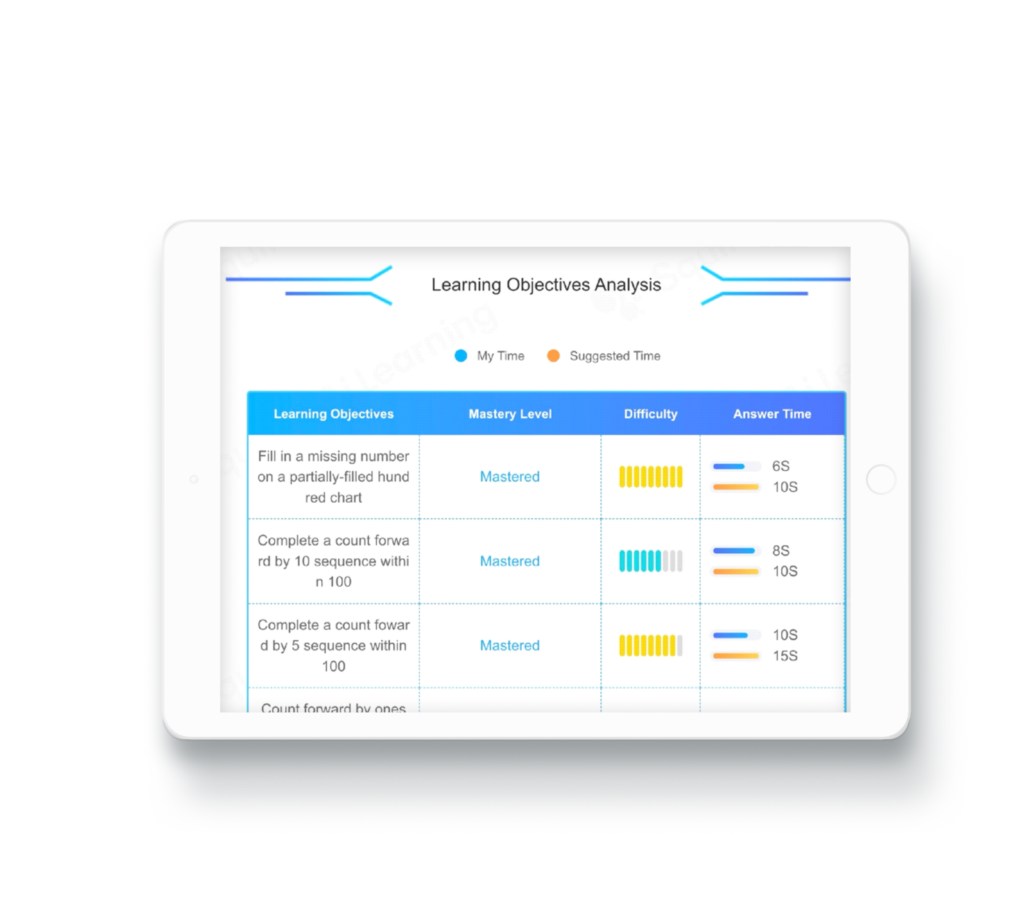
State the precise decisions the analytics must support. Examples: identify students at risk within two academic weeks; recommend next practice items for a learner; measure mastery of specific competencies. Tie each decision to who will act and what action looks like. Ask bidders to map how their outputs become operational tasks or pedagogical adjustments.
Inventory the data and define quality expectations
List every data source you can provide: LMS logs, assessment records, engagement signals, enrollment data, curriculum metadata. For each, state frequency, retention, and privacy constraints. Require vendors to declare assumptions about missing data and to describe data-validation steps. Demand examples of how they handled sparse or inconsistent records without asking for proprietary code.
Specify analytics approaches, explainability, and adaptability
Ask vendors to describe classes of methods they would consider (rule-based alerts, predictive models, sequence models, clustering) and, crucially, why a method fits your stated decisions. Require plain-language explanations for outputs so instructors can trust and act on them. Include a request for adjustable thresholds and a path to retrain or recalibrate models as curricula change; emphasize that models must support evolving needs rather than be fixed black boxes.
Integration, interoperability, and security
Demand technical details about APIs, data export formats, authentication, and expected latency. Specify where analytics will live—within your LMS, on a vendor dashboard, or both—and ask for concrete examples of data flows. Insist on security controls: encryption at rest and in transit, role-based access, and compliance with applicable regulations. Require a data-deletion policy aligned with your retention rules.

Deliverables, timelines, and success criteria
List deliverables with minimal ambiguity: prototypes, documentation, data schemas, training materials, and handover artifacts. Tie each deliverable to acceptance criteria—what counts as a working prototype, how performance will be measured, which stakeholders must sign off. Ask for a phased timeline with concrete milestones rather than vague launch windows.
Service model, support, and governance
Clarify whether the vendor provides ongoing model maintenance, educator training, or only initial delivery. Request details on support channels, response times, and the roles your team must fill. Require a governance plan showing who owns data quality, model decisions, and escalation paths when analytics conflict with pedagogy.
Evaluation criteria and proposal comparators
Provide vendors with a scoring rubric: alignment with goals, data-handling clarity, explainability, integration ease, cost predictability, and evidence of institutional deployments. Ask for alternative proposals: a lean pilot, a mid-tier deployment, and a full rollout, so you can compare trade-offs. Include a scenario or sample dataset for bidders to work against so outputs are directly comparable.
Common pitfalls and how to avoid them
Beware vague outcome statements, overreliance on single metrics, and proposals that promise perfect prediction. Avoid accepting opaque model descriptions; insist on examples of outputs and how a teacher interprets them. Do not conflate visualization with insight—visuals must connect to decisions. Set expectations: early iterations will require tuning and teacher input.
Alternatives and trade-offs
Consider three paths: build in-house for maximum control but higher upfront cost; buy a commercial platform for speed and vendor support; combine open-source components for flexibility. Ask each bidder to acknowledge where their approach forces trade-offs between control, cost, and time to value. Look for realistic timelines rather than optimistic promises.
Closing synthesis
This framework forces clarity: define the decisions, inventory the data, demand explainable methods, require integration and governance, and score proposals on concrete criteria. A well-constructed RFQ reduces ambiguity and surfaces the practical choices that matter to learners and educators. For organizations testing how vendors translate such a framework into proposals, note how a platform like Squirrel Ai frames its responses and how those responses align with your priorities for precise, actionable learning insights while supporting personalized learning.