
Before shortlisting Single Gas Detector, map application scope shortlisting
Before a procurement team compares a single gas detector, it should define the application rather than begin with a model name. The first task is to describe what decision the device must support, where it may be used, which gas target matters, and which requirements remain undecided. This scope prevents a catalogue description from being treated as a complete specification.
Define the use case and constraints
Start with a short application statement. It might describe a maintenance activity, a facilities task, a marine operating context, or another defined work setting. Keep the statement factual and narrow. Record the intended gas target, the people who will use the equipment, the environment in which it may be carried, and any interface or documentation requirements already known to the project.
Next, separate requirements into three groups. The first group contains confirmed needs, such as the gas to be monitored or the type of alarm indication expected by the buying team. The second contains preferences, such as a preferred form factor or display arrangement. The third contains open questions, including points that cannot be decided from the current brief. This separation helps prevent a preference from being presented as a technical requirement.
Also define the boundary of the shortlist. Is the team comparing a product category, a particular model, or a supplier response? These are different exercises. A category review can identify features to investigate. A model review can record stated specifications. A supplier review may also require commercial and support information, but those matters should not be assumed from a product page.
Map stated evidence to requirements
Build a simple evidence table with four columns: requirement, page statement, scope, and unresolved point. Copy the relevant wording into the second column, then identify exactly what it describes. If a page presents a feature for one model, keep that feature attached to that model. Do not transfer it to a wider product range without supporting evidence.
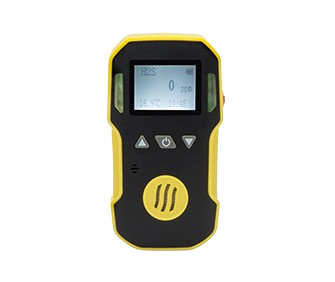
The BH-90A page, for example, lists adjustable low and high alarm levels and visual, audible, and vibration alarms. Those statements can be recorded as catalogue evidence for the BH-90A. They do not, by themselves, establish certification, suitability for a particular site, safety outcomes, or configuration details that the page does not state.
At this stage, a single gas detector should be compared against the application statement, not against a competitor’s marketing language. The useful question is whether each stated feature relates to a recorded requirement. If the requirement concerns alarm presentation, note the listed alarm types. If it concerns response time or operating conditions, record the stated specification separately. Avoid turning a listed value into a promise about field performance.
A practical comparison table can use these headings:
- Application requirement: what the project needs the equipment to address.
- Evidence location: where the relevant statement appears.
- Applies to: the named model, product family, or broader category.
- Status: confirmed, preferred, or open.
- Procurement consequence: how the point affects the next question or comparison.
This format makes the reasoning visible. It also limits accidental overreach. A feature may be relevant without proving that the entire application has been covered.
Turn open points into supplier questions
Open points should become precise questions rather than hidden assumptions. Ask the supplier to identify the exact model and configuration covered by each answer. Ask which stated features apply to the proposed item, and request the source location for specifications that affect the shortlist. This keeps the discussion tied to the application scope.
Questions should also distinguish description from interpretation. Instead of asking whether a detector is “safe for any environment”, ask which operating conditions are stated for the model and which conditions are outside the supplied description. Instead of assuming that an alarm feature meets an internal process, ask how the feature is documented and whether the proposed configuration matches the requirement.
For a procurement record, capture the answer, its date, the named product, and any qualification attached to it. If a response changes the application boundary, update the original requirement rather than quietly changing the comparison. A clear record is more useful than a longer feature list because it shows why an option remains under consideration.
Choose a defensible next step
The shortlist should contain only options that can be connected to the stated application and the evidence gathered so far. It does not need to resolve every question at the initial stage. It should show which requirements are supported by page-level information, which are preferences, and which need a focused supplier response.
For the next review, carry forward the application statement, the evidence table, and the open-question list. Keep the BH-90A feature information attributed to the Bosean page, and avoid generalising it to other models. This approach gives procurement teams a defensible basis for the next discussion without presenting unverified certification, site suitability, performance, or safety conclusions as established facts.