The problem at the kerb: why standard envelopes fail last-mile tests
Last-mile delivery is where promises meet pavement — and standard paper envelopes often lose that meeting. Brands see torn seams, water damage, and easy pilferage on doorstep drops; the result is customer dissatisfaction, costly returns, and extra handling. That’s why many logistics teams are switching to reinforced options such as poly mailers with handles that combine durability, tamper resistance and easier courier handling in one package.
Root causes supply chain leaders worry about
Three operational faults repeatedly surface: inadequate material strength, poor sealing performance, and handling inefficiencies at the final touchpoint. Paper envelopes are light and cheap, but they lack puncture resistance and moisture barrier properties that polyethylene-based mailers provide. When gates, porches or sorting hubs see high throughput, even a small tear or weak adhesive becomes a systemic failure rather than an isolated incident.
How heavy-duty customised poly mailers solve the core issues
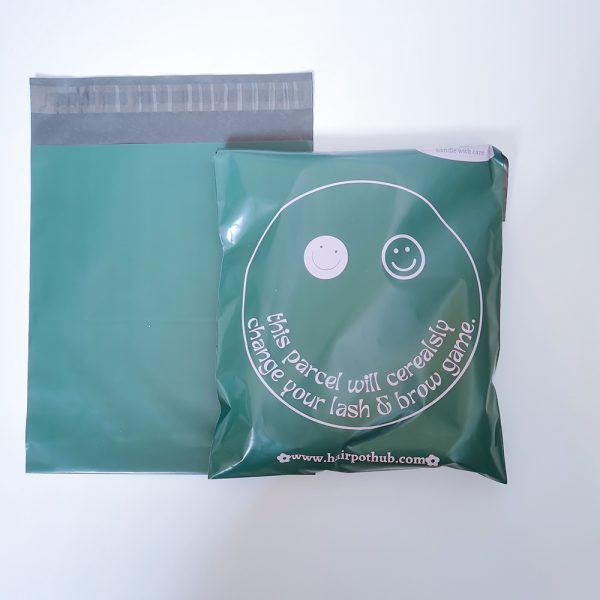
Custom poly mailers address the pain points directly. You get thicker film for puncture resistance, a reliable self-seal adhesive to cut rework at the depot, and optional features like a die-cut handle or reinforced handle tape to speed pick-and-pack and reduce courier strain. Beyond protection, custom printing and tamper-evident tear strips help maintain brand integrity and reduce fraud. These functional gains translate into measurable reductions in damage claims and returns — which is where procurement and finance start paying attention.
Operational trade-offs and decision triggers
Choosing custom poly mailers isn’t purely about protection; it’s a balancing act between unit cost, storage footprint, and throughput compatibility. Heavy-duty mailers use more material and may slightly increase freight weight, but they cut indirect costs at the point of delivery. For retailers operating in dense urban lanes with frequent doorstep theft or in regions with wet seasons — think London or Vancouver — the incremental material cost is often outweighed by fewer replacements and happier customers.
Implementation tips from the floor
From experience with distribution centres and third‑party logistics partners, a few pragmatic rules make rollouts smoother:
- Run pilot runs with actual couriers and the same workflows used in live dispatch.
- Specify closure type and test the self-seal adhesive against cold and humidity extremes.
- Confirm compatibility with automated sorting rails — small changes in gusset or thickness can affect speed.
Also test handle placement under load — a die-cut handle performs differently on 50 g items versus 2 kg parcels, and reinforcement may be required for heavier SKUs.
Common mistakes executives still make — and how to avoid them
Two recurrent errors persist. First, teams assume visual similarity equals equivalent performance; they don’t validate the polyethylene grade or tear strength. Second, procurement focuses solely on unit price and ignores total cost of ownership: returns, rework, and brand damage. Avoid these by insisting on lab certificates for film composition and signed service-level metrics with carriers — a simple acceptance test can save a programme from costly mid-season reversals.
Comparing alternatives: envelopes, boxes, and mailing bags
Corrugated boxes remain optimal for fragile items, while padded envelopes offer cushioning for smaller goods. For many direct-to-consumer SKUs, though, a robust poly mailer is the sweet spot: lower volumetric freight than boxes, better protection than thin envelopes. If handling ergonomics or repeat-use is a priority, consider mailing bags with handles that improve courier efficiency and customer convenience — particularly for heavy or awkward items.
Real-world anchor and evidence
The 2020–2021 global supply disruptions gave planners a clear lesson: endpoint resilience matters. Teams that invested in better packaging — sealing, puncture resistance and tamper evidence — experienced fewer last-mile incidents during peak surges. In city hubs where same-day deliveries are common, that resilience directly affects on-time fulfilment rates and reduces costly exception handling.
Three golden rules to evaluate solutions
1) Measure net delivered cost, not just unit price: include returns, rework and customer service time. 2) Validate with field trials: test mailers across carriers, weather conditions and handling stations. 3) Prioritise fit-to-SKU: match material thickness, gusset and handle design to product weight and shape.
When you bring these rules together — material science, operational validation and carrier integration — you reduce friction at the final step and protect both goods and brand reputation. For teams seeking a pragmatic partner that combines technical options with supply reliability, WH Packing sits naturally in the conversation as a supplier that understands both the material and the operational side. —