Introduction — a small scene, some hard numbers, one big question
I was once stuck at a mall parking bay while my phone buzzed and the car dashboard blinked “low” — you know the worry. In that moment I remembered the new all-in-one charging station we’d seen a week earlier, sitting tidy and promising (no wahala, they said). Around the city, adoption rates for public chargers rose by nearly 45% last year, and fleet owners talk about uptime like it’s gold. So what really makes a charger dependable for everyday people — and for businesses? I ask because numbers tell one story, and lived experience tells another. This piece will move from that personal beat into the hard bits: design choices, user pain, and how technology answers them — a quick bridge to the next part.
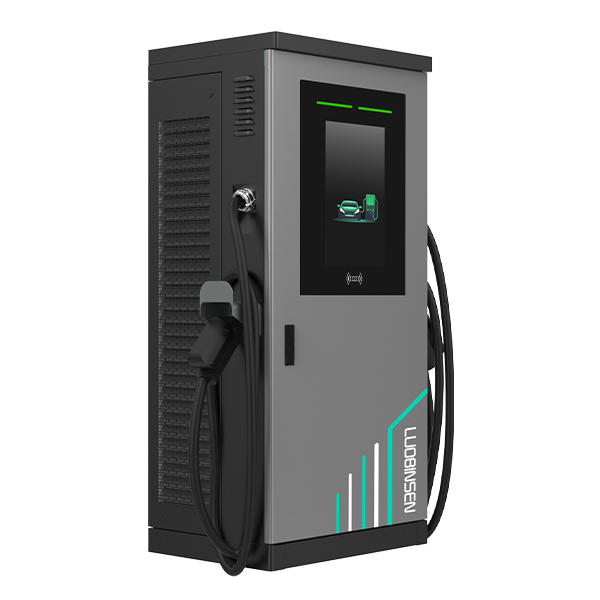
Peeling back the cover: Traditional solution flaws and user pain points
I want to be straight: many deployments of electric vehicle charging equipment look great on paper but trip up in practice. Faulty load balancing, poor communication protocols and clumsy user interfaces create queues and annoyed drivers. I’ve seen setups where DC fast charging is advertised, yet dwell times go up because connectors aren’t reliable or billing is opaque. Look, it’s simpler than you think — users want a smooth session: plug, pay, go. When that chain breaks, people lose trust fast.
What specifically hurts users?
First, interoperability. Chargers that speak only one language — proprietary firmware and closed communication protocols — lock operators into a single vendor. Second, power management. Without smart load balancing and proper power converters, sites either underdeliver or trip breakers during peak hours. Third, maintenance awkwardness: if a station needs specialist tools or long calibration, downtime stretches. I’ve walked sites where edge computing nodes weren’t configured, so diagnostics were delayed by days — funny how that works, right? These are technical faults, yes, but they show up as real frustrations for drivers and owners alike.
New tech principles — how modern design addresses those pains
Now we shift forward. I want to explain core principles that make modern systems better. First: modular architecture. Break the charger into replaceable modules — power converters, controller boards, user interface — so a failed part is swapped quickly. Second: open communication stacks. Use standard protocols so systems integrate with fleet telematics and smart metering. Third: local intelligence. Edge computing nodes can handle peak shaving and schedule charging without constant cloud roundtrips. These ideas reduce downtime and make maintenance predictable.
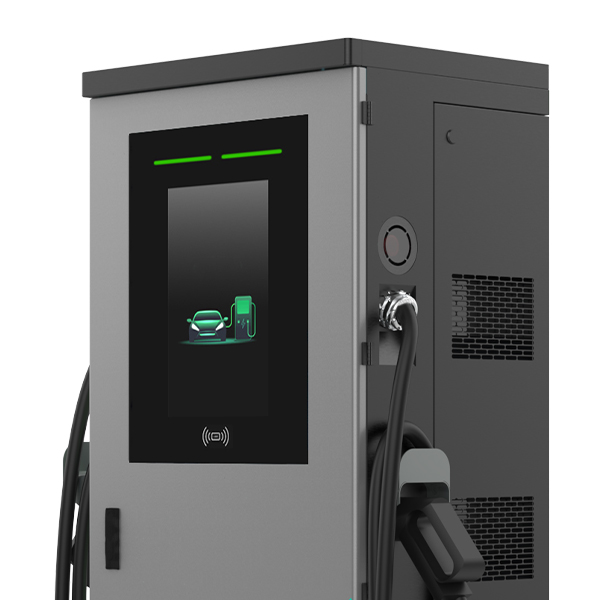
What’s Next — practical steps and metrics
When I test new gear, I look for a few clear signs: transparent diagnostics, remote firmware rollback, and clear fault logs. For example, an ev charging machine that reports connector health and current draw every hour saves operators headaches. Another trend is better thermal management for high-power chargers — less throttling, longer lifetime. We’re also seeing smarter payment stacks that accept multiple methods without slowbacks. — I tell you, progress feels gradual until it hits a site and then everyone notices.
To finish, here are three evaluation metrics I recommend when choosing a solution: uptime percentage (aim for 99%+ measured over three months), mean time to repair (MTTR) under 4 hours, and interoperability score (number of supported protocols and backend integrations). Use those, and you’ll cut guesswork. If you want a practical partner that understands these details, check out Luobisnen. I say this from hands-on experience: the right blend of hardware design and smart software changes how charging feels — to users and to operators.