Why the Right PET Bottle Choice Matters Now
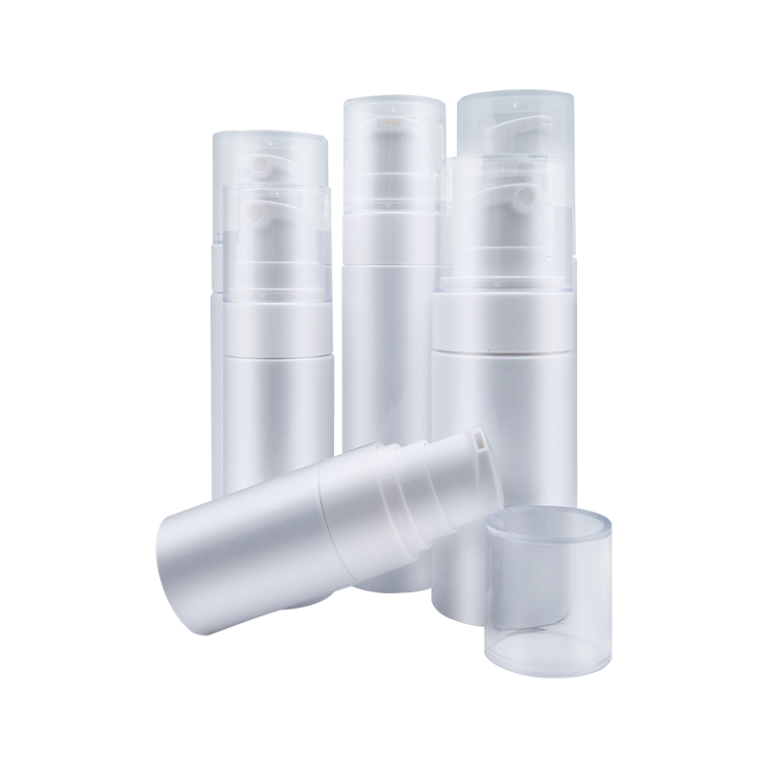
Here’s the plain truth: shelf appeal means nothing if the bottle fails in the field. Choosing the right cosmetic pet bottles for your line is not just about looks; it is about risk control and brand trust. A pet cosmetic bottle manufacturer sits in the middle of that trust, linking your formula to the customer’s hand. Picture a launch day: bright labels, clean pumps, then a spike in returns because caps loosen during transit. Last quarter, several mid-size brands saw packaging-related returns crest 12%—a small number that eats margin fast. The cause is usually simple: poor cap torque control, weak top-load strength, or a mismatch between pump dip tube and a 24/410 neck finish. So we ask: are you benchmarking by price, or by the process that keeps bottles leak-free and ready for the camera? This is not just aesthetics; it is operations, compliance, and dignity on the shelf (and online). The point is clear—and urgent. Let’s map the ground before we compare options.
Under the Label: The Hidden Friction That Breaks Good Packaging
Why do the usual fixes fail?
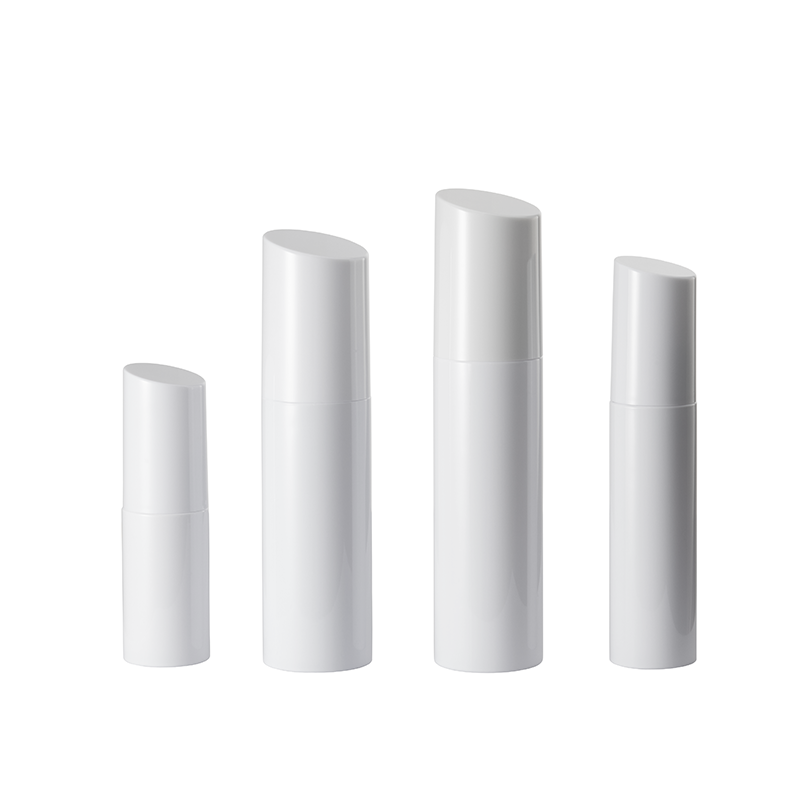
In Part 1, we scanned the surface—visual checks, quick squeeze tests, and vendor assurances. Now we go deeper. Most “fixes” fail because they treat symptoms, not the flow of production. Look, it’s simpler than you think. If an ISBM line runs preforms outside the target gram weight spread, wall thickness distribution shifts. That raises ovality and hurts cap seal performance under vibration. If the resin lacks a UV stabilizer or a thin EVOH barrier, formula integrity drops by month six. Add in loose dimensional tolerances at the neck finish and you get micro-leaks that only show up after a long truck ride. The product looks perfect at dock-out—then the phone rings.
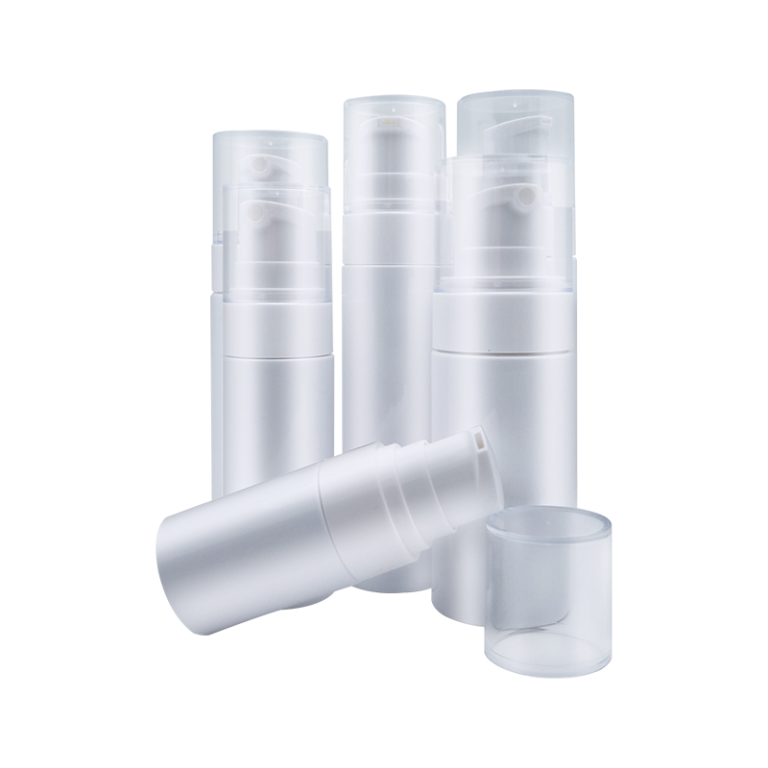
There’s also a human factor we do not discuss enough. Buyers assume leak testing and AQL sampling catch everything. They don’t—funny how that works, right? Static tests miss real-world motion. Without inline vision for short-shot detection or SPC on cap torque, outliers slip through. And those outliers cause 80% of the pain. Your team ends up firefighting: relabeling, issuing credits, scrubbing reviews. The hidden cost is time. The visible cost is trust. When we say “choose better,” we mean choose the process: preform controls, neck finish calibration, and capper torque windows that match the bottle’s top-load strength. Otherwise, every fix is just theater.
Comparative Insight: What New Principles Actually Change Outcomes
What’s Next
Forward-looking plants are not just cleaner; they are smarter and steadier. A modern pet cosmetic bottle factory sets guardrails with data. Closed-loop heaters stabilize preform temperature. Servo-driven stretch rods maintain blow ratio for repeatable geometry. Inline vision maps neck ovality and gate blush before packing. Then SPC dashboards tie cap torque, vacuum decay leak testing, and top-load strength into one profile per lot. Compare that to legacy lines that rely on a final inspector and a paper log. The difference is not buzzwords; it is fewer claims. And fewer interruptions. When dimensional control and resin specs (including PCR content targets) are locked, pumps and mist sprayers seat right the first time.
So, how do you use this in the wild? Evaluate suppliers by principles, not slogans. Ask for preform gram weight control charts and neck finish Cpk. Check if they can run EVOH barrier or plasma coating for sensitive actives. Confirm lot traceability and torque specs that match your closure system, not a generic file. Then compare apples to apples: defect rate over distance shipped, not just at the dock; cap torque drift across a 6-hour run; and drop test performance at 1.2 meters after 48 hours of fill. Summing up the journey so far, small upstream changes prevent downstream damage—and keep your brand’s story clean. To choose well, apply three simple metrics: (1) process capability across ISBM and capping, (2) stability of resin and barrier choices over shelf life, and (3) verified field simulation results, not lab-only claims. That is how you move from “hope” to “proof,” and keep momentum with NAVI Packaging.