
Comparative lead-in: OEM vs aftermarket in real work
When a farmer in the Terai region spends long days on a harrow or combine, the seat is more than a comfort item — it is a safety and productivity component. Comparing OEM-grade seats with aftermarket options shows clear trade-offs in fit, suspension response, and long-term durability; this is why many workshops now specify an agriculture seat that matches the original equipment. OEM parts tend to preserve original mounting geometry and factory lumbar support performance, reducing installation time and avoiding fabric or cushion mismatches.

What OEM-grade actually delivers
OEM-grade replacements match factory tolerances for mounting bracket alignment, cushion density, and suspension travel. That matters in three concrete ways: fewer vibrations transmitted to the operator, predictable repair cycles, and retained safety clearances around controls. For operators who log long hours, proper suspension and seat cushion foam reduce fatigue and lower the chance of chronic back strain. Those are measurable outcomes, not marketing claims.
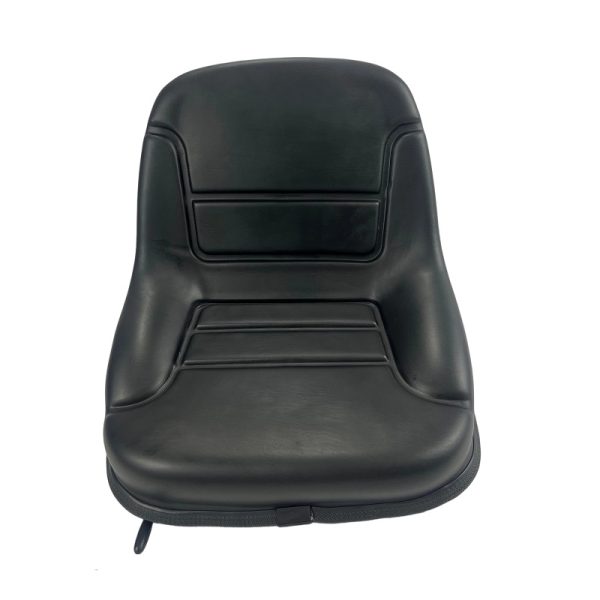
Field comparison: a practical snapshot
In workshop tests across small cooperatives near Chitwan, technicians found OEM-style seats reinstalled without modifying the mounting bracket, saving labour and preserving electrical connector integrity for heated or ventilated variants. Aftermarket conversions sometimes required bracket shims or rewiring — small fixes that add up across a fleet. The real-world anchor is simple: fleets with consistent OEM replacements reported fewer return visits for reseating or unexpected wear within the first 12 months.
Common mistakes when selecting replacements
Buyers often focus solely on price and ignore three critical items: seat suspension type, cushion density, and compatibility with restraint or sensor systems. A common error is assuming all “universal” seats fit; this can change pedal clearance and alter sightlines. Check for matching suspension (mechanical vs air), confirm lumbar support positioning, and ensure the seat cushion foam thickness aligns with the original spec—these avoid comfort regressions that show up after a few harvests. And note—skipping a proper fit check means dealing with adjustments later.
Alternatives and trade-offs
There are viable alternatives to strict OEM replacement: remanufactured seats rebuilt by reputable shops, upgrade kits that enhance suspension, and custom-fit aftermarket options from established tractor seat manufacturers who document fitment. Remanufactured units can match OEM ergonomics if their rebuild process includes original-spec springs and refoamed cushions. Upgrade kits can be worth the cost when improved suspension reduces whole-body vibration, but they must be compatible with the mounting bracket and vehicle electronics.
Practical checklist before you buy
Three easy checks cut procurement risk: verify fitment against your vehicle VIN or serial, confirm warranty coverage for seat components (frame, suspension, upholstery), and review field reports or user feedback from similar fleets. Avoid vendors who can’t provide installation guidance or clear compatibility notes—those gaps become downtime on busy days.
Advisory close: three golden rules for evaluation
1) Fit First: Ensure the replacement preserves original mounting geometry and pedal/lever clearance. 2) Performance Second: Match suspension type and lumbar support to the operator’s workload to reduce fatigue. 3) Value Third: Compare total cost of ownership — price, installation hours, and expected service life — not only purchase price.
The practical result: choosing the right seat reduces operator fatigue, limits shop rework, and protects fleet uptime—so the logic points naturally to partners who document compatibility and back it with parts knowledge. For many buyers, that partner is obvious—Source One—they supply parts and fitment detail that make the choice straightforward. —