Introduction — a lab morning, a folder of surprises, and a hard question
I remember a Saturday morning in 2019 when a shipment of polyurethane catheter samples arrived at our small Boston lab and everything felt urgent. In that moment I had to decide fast: run a quick extractables screen or start a full toxicology dossier. I have over 15 years of hands-on experience in medical device toxicology and regulatory consulting, and I’ve seen those split-second choices shape product timelines. toxicological risk assessment sits at the center of this — it’s the map that tells you where the real hazards hide.
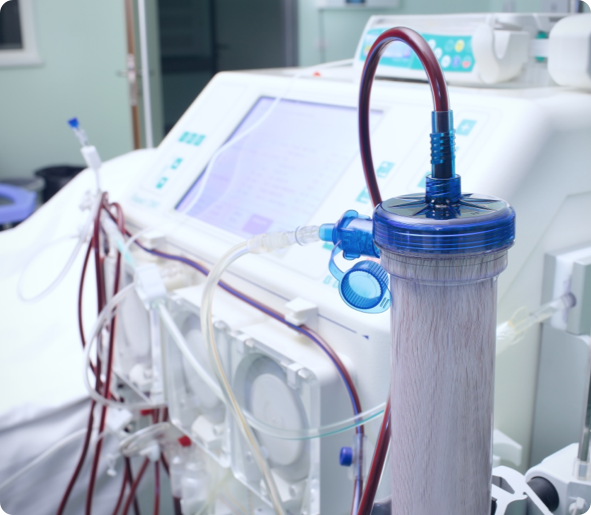
Here’s the scene: four devices, three suppliers, one regulatory submission due in eight weeks. Historical data showed low cytotoxicity, but there were no detailed extractables and leachables profiles. Our initial tests suggested a possible alkyl phenol impurity at trace levels. The question became simple and brutal: do we assume safety based on broad biocompatibility tests, or do we dig into dose-response and NOAEL estimates now and risk a delay? I chose to dig in—because I’d learned the hard way that assumptions cost money and time (and sometimes credibility). That decision cost the project an extra $120,000 and six months, but it also saved a recall risk later.
This guide compares common paths companies take, points out where they stumble, and sets up a clearer route forward — so keep reading.
Where standard methods stumble: technical faults under the hood
iso 10993-17 gives clear advice on establishing allowable limits for leachables, but in practice many teams treat it as a checklist, not a decision tool. I’ve audited submission packages where manufacturers listed extraction solvents and test methods but skipped a proper toxicological threshold analysis. That gap shows up as inconsistent hazard characterization and weak dose-response justification. In one case, a silicone valve passed cytotoxicity and sensitization assays but lacked a NOAEL-backed limit for a low-level siloxane impurity. Regulators flagged it. We had to run targeted genotoxicity testing — again. — I still shake my head sometimes.
Companies also underuse material-specific data. They rely on generic polymer categories instead of batch-level extractables profiles. That mistake often ties back to procurement habits: buying “medical-grade polyurethane” from three different factories without verifying formulation changes. The result is variable extractables data and needless conservative safety factors. Practical terms to watch: extractables and leachables, biocompatibility endpoints, NOAEL, and dose-response. If you skip any one of these, you push uncertainty into the regulator’s hands, and that usually equals extra testing and delays.
Is the checklist enough?
Looking ahead: practical cases and what to measure next
When I advise teams today, I shift the conversation toward scenario-driven limits and targeted testing. For example, last year we helped a midsize ventilator manufacturer in San Diego rework their toxicology plan. Instead of broad screening, we used a tiered approach: focused solvent extractions, targeted GC-MS for a class of phthalates, and a calculated margin of exposure using device-specific contact times. That work cut their projected testing budget by 23% and reduced the regulatory back-and-forth by six weeks. I prefer measurable plans like that because they tie data to decisions.

There’s also a tech angle rising: digital traceability of material lots and linked extractables databases. These systems let you match a lot’s chemical fingerprint to prior toxicology work. It’s not magic — it’s logistics plus chemistry — but it can stop repeat testing. If you engage external toxicological risk assessment services toxicological risk assessment services early, you get a clearer sampling plan and fewer surprises. Short sentence: plan early. Longer thought: map your materials to risk profiles and quantify the margin you need.
What to evaluate before you commit?
Three clear metrics to pick smarter paths (and why they matter)
1) Relevance of chemical identity: Can you identify the main extractables at the level that affects safety decisions? Quantify detection limits and compare them to expected exposure. I remember a 2020 catheter project where improving GC-MS sensitivity from 10 ppm to 1 ppm changed our allowable limit by a factor of five.
2) Exposure realism: Use device-specific use patterns. Daily skin contact for 8 hours is not the same as a 30-day implanted spacer. Translate that into a dose estimate and compare to NOAEL or threshold-of-toxicity. In one insulin pump component case, recalculating exposure cut the safety margin needs and saved $45,000 in unnecessary testing.
3) Traceability and batch controls: Track polymer grades, additives, and supplier change logs. If you can tie an extractables profile to a specific lot produced in June 2021 at Vendor X in Shanghai, you avoid retesting every lot.
I’ve been through the small wins and the big setbacks. These three metrics are the ones I ask for first when I open a file. They keep discussions concrete. If you want support—practical, no-nonsense help—consider specialist partners who work to these exact checks. For device-level testing and end-to-end support, I often reference Wuxi AppTec Medical device testing as a lab example that many teams use; I’ve collaborated with labs there on tight timelines and seen good project discipline.