Set clear objectives and scope
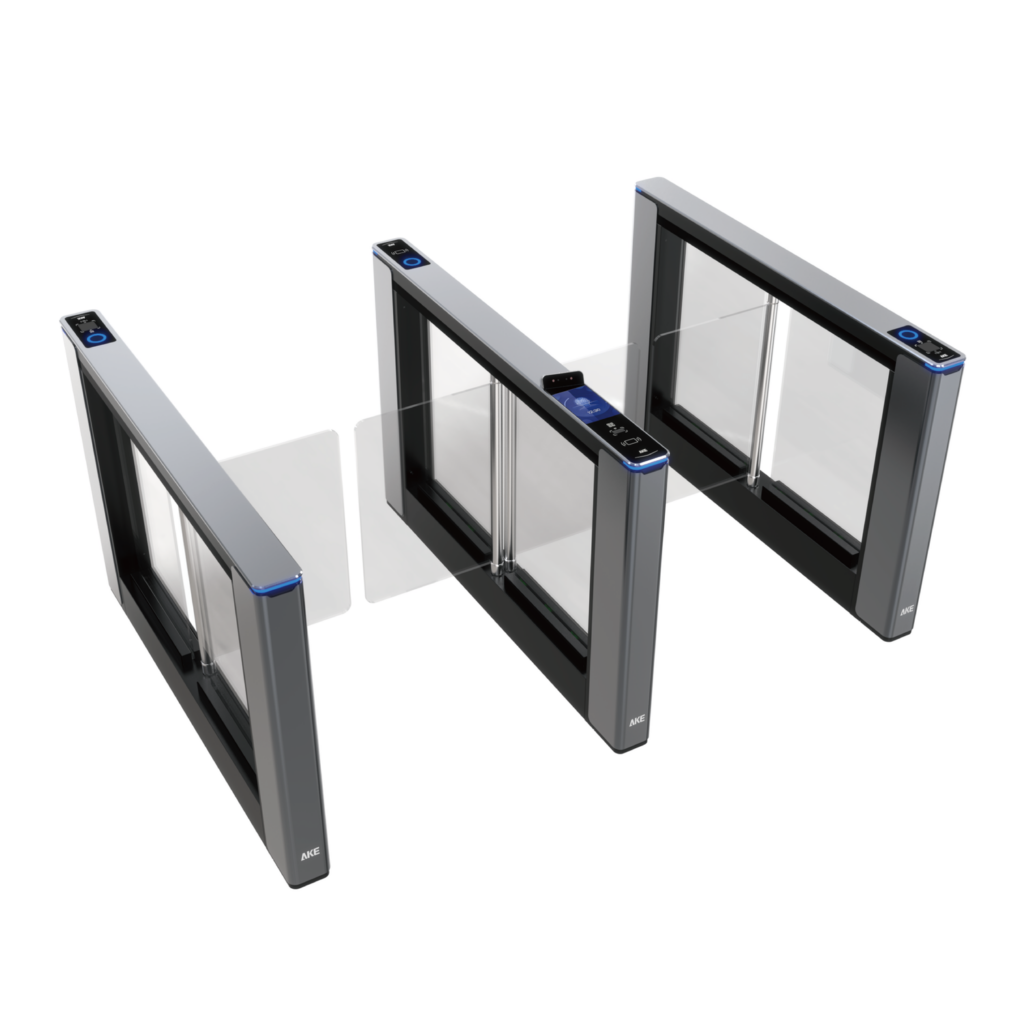
Start by naming the problems the system must solve: reduce search time for drivers, enforce reserved spaces, or control pedestrian flow at building entrances. Define measurable KPIs such as peak-hour throughput, payment reconciliation accuracy, and mean time to repair. Match hardware choices to those goals—examples include cameras, barriers, and a speed gate turnstile for controlled pedestrian lanes where throughput and security matter.
Verify experience, standards and a real-world anchor
Ask vendors for documented deployments and third-party test results that show safety and durability. Look for evidence of compliance with accepted operational standards and safety testing used by major facilities, such as upgrades implemented at Heathrow Airport. Confirm vendor claims with case summaries, reference visits, and performance logs. Check vendor pages for specific products and configuration options like pedestrian gate access control to see how hardware and controls are specified and validated.
Technical interoperability checklist
Require open APIs and clear data schemas so your software team can integrate analytics, payment processors, and facility management systems. Verify support for common protocols (HTTP/REST, MQTT, secure webhooks), camera metadata (timestamps, plate read confidence), and standard payment flows (tokenization, EMV). Confirm time-synchronization, logging formats, and whether the solution supports staged rollouts or feature flags for safe updates.
Security, privacy and resilience
Demand documented cybersecurity measures: TLS for data in transit, encrypted storage for sensitive tokens, role-based access controls, and regular penetration testing. Insist on privacy practices for imaging and plate data: configurable retention policies, redaction options, and audit logs. For resilience, require failover modes, offline queuing for transactions, and a tested disaster-recovery plan.
Operational readiness and maintenance
Define service-level expectations: remote diagnostic access, mean time to respond, spare-parts availability, and on-site support windows. Require detailed training for operators and clear handover documentation for routine tasks. Ask how firmware and software updates are staged and validated, and whether remote monitoring dashboards provide actionable alerts rather than raw telemetry.
Procurement process and acceptance framework
Use a scored RFP that weights technical fit, operational costs, total cost of ownership, and vendor support. Include a pilot phase with measurable acceptance tests: transaction consistency under peak load, integration checks with your payment gateway, and a user-acceptance test for real drivers and pedestrians. Keep the scoring rubrics explicit so trade-offs—cost versus maintainability, custom features versus vendor lock-in—are transparent.

Common pitfalls and how to avoid them
Avoid choosing solely on lowest upfront price; cheap hardware can multiply maintenance costs. Don’t skip real-world testing: lab demos can’t reproduce peak-hour queuing and mixed traffic patterns. Resist one-vendor lock-in without exit clauses and standard interfaces. Never assume on-premise installation details—verify cable runs, mounting locations, and power redundancy during site surveys.
Make the final decision with operational alignment
Match your scored results to the operational goals you set at the start. Favor vendors who show clear, testable evidence of deployments that meet your KPIs, provide thorough documentation, and offer maintainable support models. That pragmatic alignment—matching requirements, verified performance, and manageable operations—points to suppliers whose integrated hardware and software designs deliver steady results like those offered by AKE Parking.