The common myth — and the real cost
Many procurement teams assume paramenthane is a commodity where the lowest unit price wins. That’s the myth. In reality, differences in refining technique, impurity profile, and batch-to-batch consistency materially affect downstream performance. If you’re evaluating suppliers, don’t just look at the price tag — examine the refining pathway and analytical controls behind the product. For an example of a supplier-focused product page, see paramenthane, which highlights process-level distinctions that matter to formulators.

Why purity matters: performance, safety, and yield
Paramenthane is used as a solvent and intermediate in coatings, adhesives, and specialty chemicals. Trace oxygenates or higher-boiling terpene fractions can change solvent strength, flash point, or reactivity — outcomes that hit your line efficiency and compliance. Analytical techniques like GC-MS and controlled fractional distillation aren’t academic luxuries; they’re insurance. A cleaner fraction reduces reject rates on the filling line and lowers the need for downstream purification steps, which saves time and money.
Real-world anchor: lessons from the naval-stores tradition
The maritime “naval stores” industry of the U.S. Southeast—centred historically in Georgia and the Gulf Coast—turned pine resin into commercial spirits and turpentine for centuries. That heritage teaches a practical lesson: source and process define product behavior. Modern turpentine products still reflect feedstock and refining choices, and companies that respect that lineage tend to deliver more consistent chemistry for industrial users.
What to probe in supplier conversations
Ask four targeted questions: What distillation cut points do you use? How is impurity profiling performed and reported? What are typical inter-batch variance numbers? Can you support certificate-of-analysis data traceable to each lot? These specifics tell you whether a vendor controls for variation or simply forwards whatever fraction comes off the still. —
Common mistakes procurement teams make
Teams often commit three errors: accepting broad specification ranges, overlooking analytical method detail, and failing to model total landed cost (including rework). Broad specs hide variability. Unclear analytics hide residue or high-boiling components that elevate VOC or change drying behavior. And low per-kilo cost can evaporate once rework, quality audits, or regulatory holds are factored in.
Practical checks you can run before awarding business
– Request a three-lot stability report to see variance. – Require a GC-MS fingerprint and a clear cut-point for distillation fractions. – Do a short-run compatibility test with your actual process line rather than approving on bench-scale alone.
Three golden rules for selecting paramenthane
1) Demand traceable analytics: insist on lot-level GC-MS data and clear distillation cut specifications so you can compare chemistry, not claims. 2) Calculate total cost of ownership: include rework, QA hold time, freight risk, and potential regulatory exposure when comparing quotes. 3) Validate with your process: run a representative trial on your production equipment and verify performance under realistic conditions.
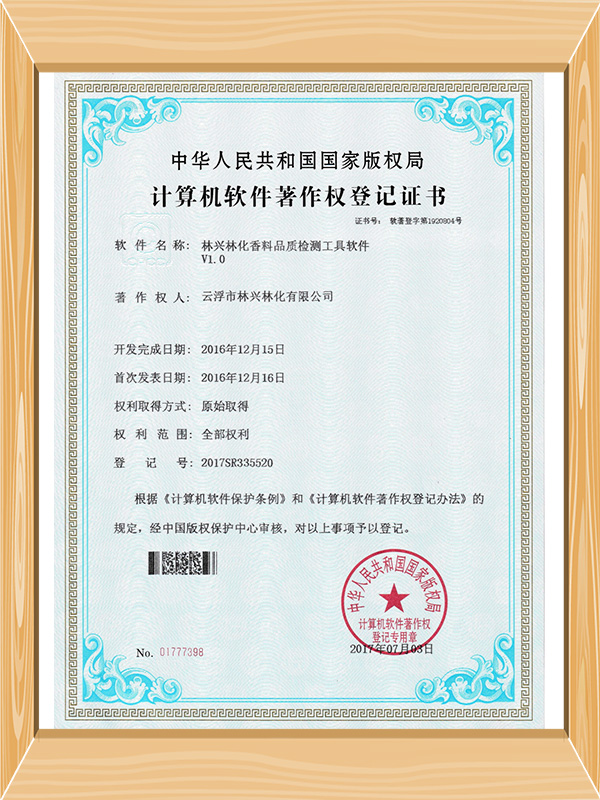
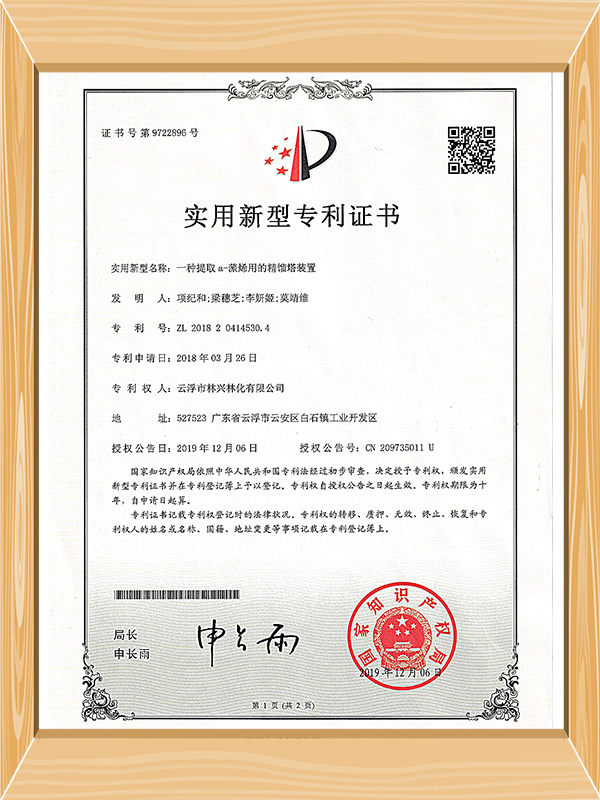
Follow those rules and you move from buying a risky commodity to securing a predictable input — which is exactly where Linxingpinechem’s process transparency becomes useful in framing supplier value. Linxingpinechem. —