Introduction
Ever wondered why two shops with similar budgets get wildly different results from their machining centers? I see that question all the time — it’s the spark that starts every conversation I have with shop owners. CNC milling and turning centers are the backbone of many small and mid-size shops (and yes, they’re louder than the spreadsheets suggest). Recent surveys show cycle-time reductions of 10–30% when workflows are tuned properly, but many shops still struggle to hit those numbers. So what’s really blocking consistent gains: the machine, the tooling, or the workflow?
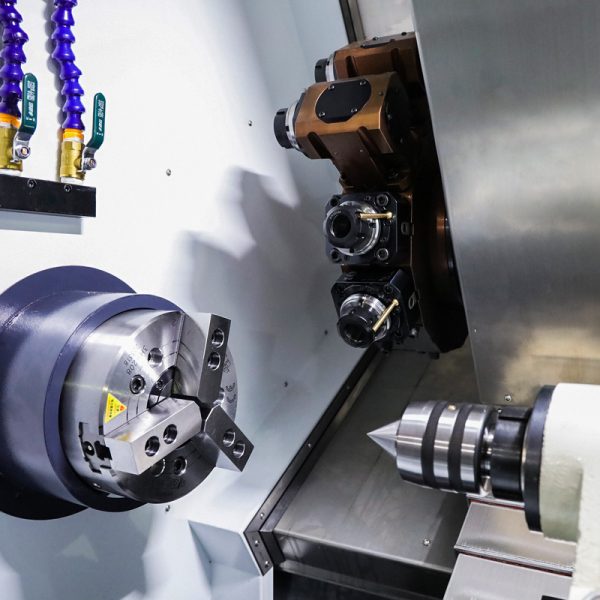
I want to walk you through the real trade-offs I’ve seen on floors and in quiet corners where engineers tweak parameters late at night. We’ll be practical. Expect concrete examples (and a few opinions). By the end of this piece you’ll have a clearer idea of where hidden time-wasters live — and how to compare real machines, not just glossy specs. Let’s dig in and compare, step by step.
Deep Dive — Traditional Solution Flaws and Hidden Pain Points
cnc mill turn center sales sheets look neat. In practice, though, I’ve watched teams choke on a handful of recurring problems that don’t show up on spec pages. Thermal drift, sluggish tool magazine swaps, and control limitations in axis interpolation add up. These aren’t theory — they’re the real reasons jobs miss delivery windows. I’ll be blunt: many traditional setups assume steady-state production. When you mix short runs, frequent tool changes, and multi-op parts, those assumptions fail fast.
Why do shops still struggle?
First, programming complexity. G-code variations, subroutines, and device-specific macros mean one programmer’s file may behave differently on another machine. Second, hardware bottlenecks: turret indexing time, spindle power curves, and poor coolant flow can all slow cutting feedrates. Third, maintenance blind spots — backlash in the saddle or loose encoders that barely register until tolerance drift wrecks a batch. I’ve fixed jobs by swapping a worn tool holder, not by reprogramming the CAM. Look, it’s simpler than you think — focus on the bottle‑necks.
On the human side, hidden pain points include unclear fixturing strategies and inconsistent tool libraries. Teams waste hours hunting for the “right” holder or confirming offsets. Tool changers and tool magazine capacity often become the gating constraint on short runs; shops buy a faster spindle but ignore the 12-second turret swap that kills every small-job cycle time. Finally, software ergonomics: clunky HMI screens and non-intuitive offsets make setup longer than needed. I’ve seen shops recover hours per week just by standardizing holders and stabilizing coolant temperatures — small fixes, real impact. — funny how that works, right?
Looking Ahead: New Technology Principles and Comparative Outlook
So where do we go from here? I’m optimistic. Modern turn-mill design is shifting toward integrated control, smarter servo loops, and predictive maintenance. The key ideas are simple: tighten the feedback loop, automate the mundane, and make the machine anticipate problems. That’s where a turn mill center with y axis becomes a game-changer — not because it’s trendy, but because Y-axis machining reduces setups and enables true single-fixture multi-op work. You’ll see shorter job cycles, fewer coordinate transforms, and less fixture swapping.
Practically, this means firms are adopting adaptive control strategies and closed-loop spindle tuning, along with condition monitoring that flags a worn bearing before a batch goes bad. Edge computing nodes running local analytics — yes, lightweight — can watch torque signatures and predict tool failure. Combine that with better power converters and modern servo tuning and you get machines that hold tighter tolerances under load. The result: more predictable cycle times and fewer surprise reworks (and less fire-fighting at 2 a.m.).
What’s Next?
We’ll see more emphasis on software ecosystems: cloud‑compatible tool libraries, versioned NC programs, and remote diagnostics that actually save time. Case examples already show shops cutting setup time by half when they move to a single, integrated ecosystem. The migration isn’t instant — there’s training, data clean-up, and a few false starts — but the outcome is measurable. I can point to shops that reduced scrap rates and shortened lead times after switching to integrated turn-mill systems with better Y-axis control (yes, really).
Advisory — Three Metrics I Use When Evaluating Turn-Mill Solutions
If you want a checklist, here are three metrics I trust when comparing machines: 1) Axis accuracy and repeatability under load — check actual backlash, thermal drift, and encoder resolution. 2) Effective cycle time — not just spindle rpm but measured tool change time, turret indexing, and average chip-to-chip time on real parts. 3) Control flexibility and ecosystem — how easy is program revision, do you get analytics/remote support, and can the control handle advanced moves like tool‑center‑point control and simultaneous axis interpolation?
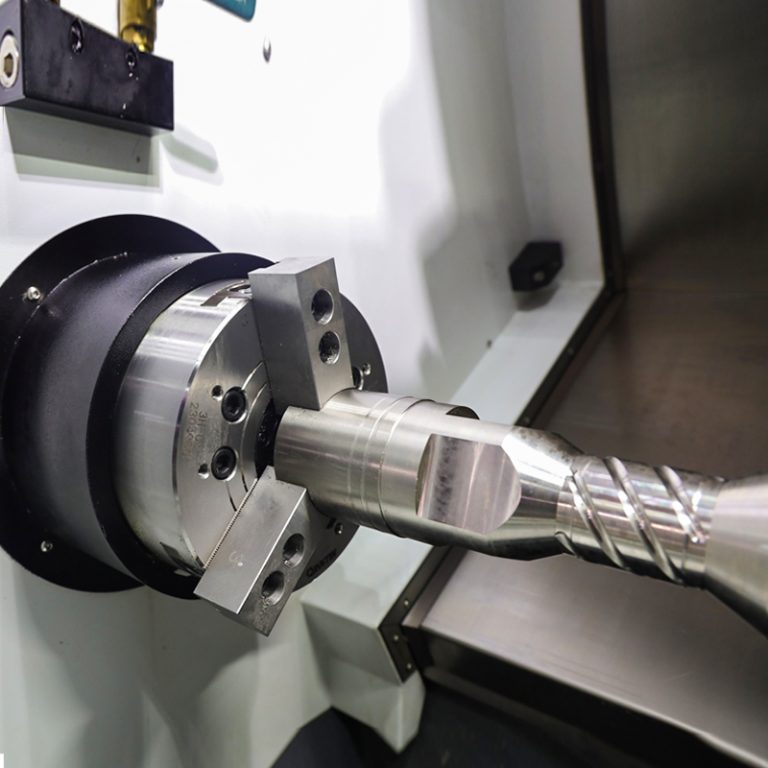
Use these to score options. I’ve used them to guide purchases and retrofit choices for years, and they weed out shiny specs that don’t translate to floor performance. If you want to dig deeper into a specific model, I can walk through a comparison with your parts in mind.
For practical sourcing and model info, I often point teams to vendors with transparent specs and good support. For example, Leichman has models and documentation that make that kind of side‑by‑side evaluation possible: Leichman.