Introduction
Have you ever stood on a plant floor and wondered if the tool in your hand was really keeping everyone safe? I ask because we all prize calm certainty in hazardous zones, yet that calm can be fragile. The non sparking hammer sits at the center of that calm — a simple implement, and yet one that carries the hopes of every technician working near flammable vapors or fine dust. (I remember an afternoon shift when a single clink stopped conversation in the shop; we all looked up.)
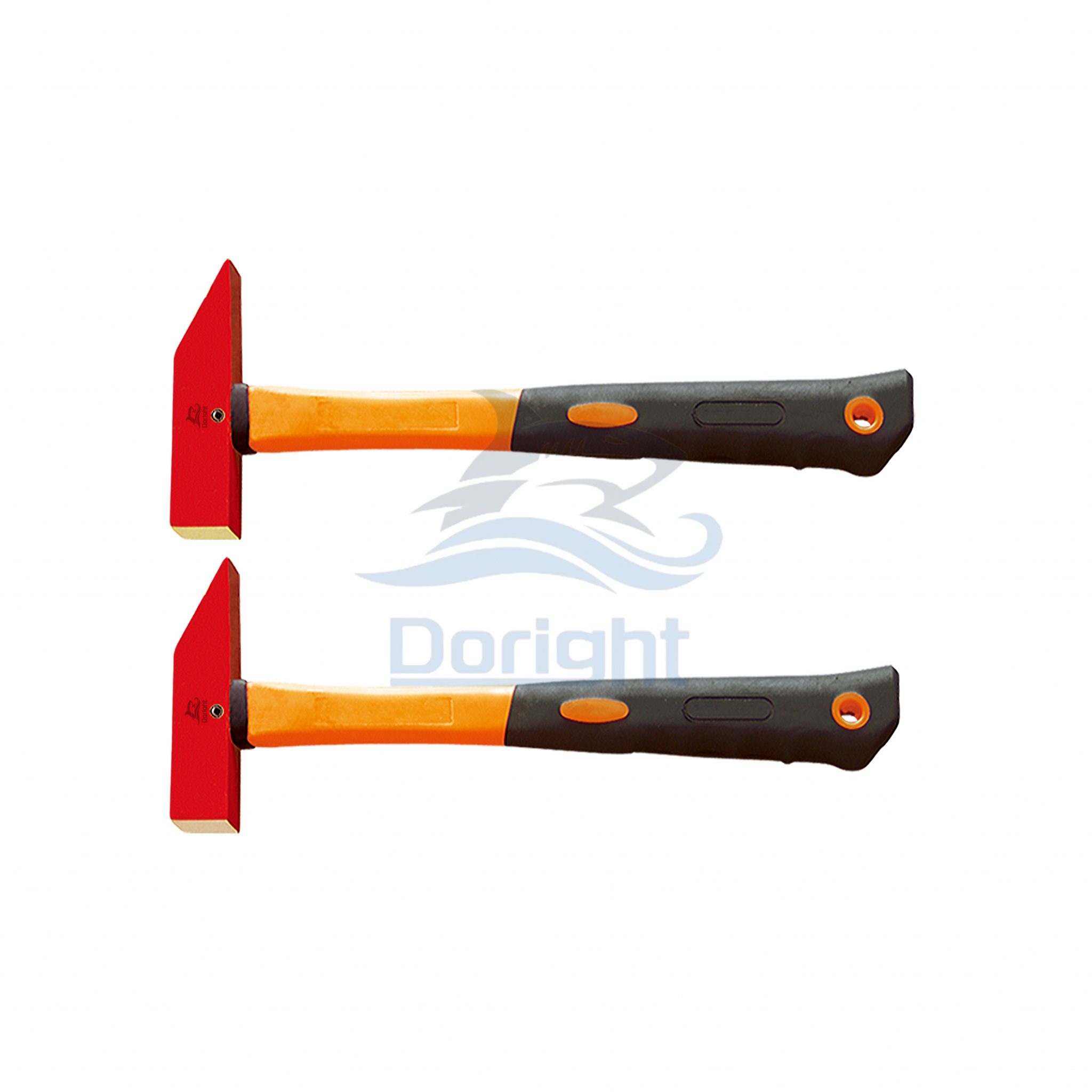
Data tell a quiet story: incidents linked to improper tooling drop when crews use tools rated for intrinsic safety and correct handling — but only if the tools meet standards and people trust them. So what makes a model reliable, or dangerously misleading? I’ll walk you through that question, layer by layer, and I’ll be frank about the trade-offs we often ignore. Let us move from observation to problem — and then to practical choices.
Where Traditional Solutions Fall Short (and What Users Really Feel)
Why do common designs fail?
When I inspect an explosion proof hammer, I look for three things fast: alloy composition, impact control, and certification traceability. Too often, traditional non-sparking tools are sold on the promise of “safe metal” alone. In practice, brittle alloys, poor fatigue resistance, and uneven surface finishes create micro-fractures that can fail under repeated use. That failure mode is subtle — not a dramatic fracture every time, but small chips that raise the risk of sparks. I’ve seen it. Look, it’s simpler than you think: a supposedly safe hammer can betray you when its material selection ignores real service cycles.
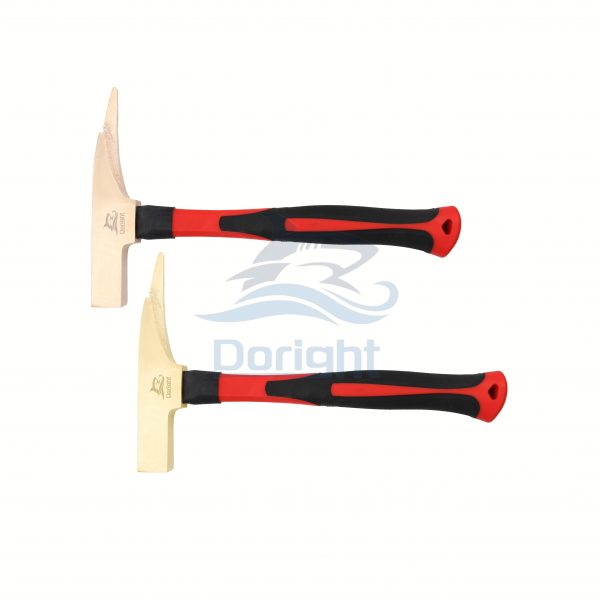
Users also tell me about comfort and maintenance — hidden pains seldom captured in spec sheets. Heavy heads without proper vibration damping tire hands, which changes striking technique and increases misuse. Certification stickers (ATEX, IECEx) help, but they don’t replace clear documentation of test cycles or a maintenance plan. Static discharge control and spark suppression depend on the whole system: tool, worker, workpiece. We must consider ergonomics, retraining intervals, and parts replacement schedules — not just the alloy on the label.
Looking Ahead: Principles and Practical Metrics for Better Choices
What’s Next?
I want to shift from critique to action. New design principles center on composite metallurgy, controlled surface treatments, and modular handles that absorb shock. These changes reduce impact energy peaks and manage static discharge more predictably. Also, integrated traceability (batch testing and marked serials) makes audits honest, and that matters to crews on tight timelines.
There’s also a case to be made for complementing hammers with other tools — for instance, matching non-sparking shovels to the same alloy families and maintenance cadence reduces unexpected cross-tool failures. — funny how that works, right? We should evaluate tools with clearer metrics: lab test reports, real-world fatigue data, and user feedback loops. I prefer semi-formal assessments that combine numbers with field notes; it gives a fuller picture and helps teams choose tools they will actually maintain.
To close practically, here are three key evaluation metrics I use when advising teams: 1) Material and certification transparency — does the manufacturer provide alloy specs, ATEX/IECEx evidence, and fatigue testing? 2) Serviceability — are spare parts and clear maintenance intervals available, and is the tool easy to inspect in the field? 3) Human factors — does the design reduce vibration and strain, and do crews report comfort under real conditions? Measure those, weigh them, and you’ll make safer choices.
I’ve worked alongside technicians who trusted their tools — and those who learned the hard way. We owe them better than a sticker; we owe them tools proven in both lab and life. For reliable supply and traceable products I often point teams toward practical vendors like Doright.