A Real-World Start
Here’s a simple truth: chest shape can shape a life. The wang procedure is changing how teams plan care and how patients heal. Picture a teen who loves the ocean but hides a sunken chest under a hoodie. Pectus excavatum is not rare; it appears in hundreds of thousands worldwide, and many look for safe, steady fixes. When families search for surgery for pectus excavatum, they want more than promises—they want proof (and yes, breath counts). Are we comparing the right things, or just the loudest features?

Directly put: the way we measure outcomes is shifting. Shorter stays, better comfort, and fewer re-ops have become the new bar. But story meets data at the bedside. Parents ask about scars; teens ask about sports; surgeons talk about force balance and bar stability. Which approach respects both the body and the calendar? That’s the path we’re about to map—side by side, and in plain words.
Traditional Methods: Hidden Trade-offs
Why do classic methods fall short?
Let’s get technical for a moment. Older repairs split into two camps: open Ravitch with cartilage resection and minimally invasive MIRPE with one or more bars placed under thoracoscopy. Both can lift the sternum, but they often trade one issue for another. Pain spikes early without a tight analgesia protocol. Force vectors are hard to control, so bar migration or rotation can happen. And asymmetry? If you correct a deep right-sided dip with a single midline push, you may still see lateral flattening—funny how that works, right?
Look, it’s simpler than you think: stability over time matters more than the day-one photo. Classic bar fixation may rely on wires or periosteal sutures that don’t always counter torsion during healing. Intercostal nerve irritation can linger if the bar loads the ribs unevenly. Even with good thoracoscopy, a single arc may not match complex chest geometry. The result is a longer taper off pain meds, more clinic visits, and, sometimes, a second trip to the OR. That is the real cost—measured in weeks, not just dollars.
Comparative Insight: Principles That Raise the Bar
What’s Next
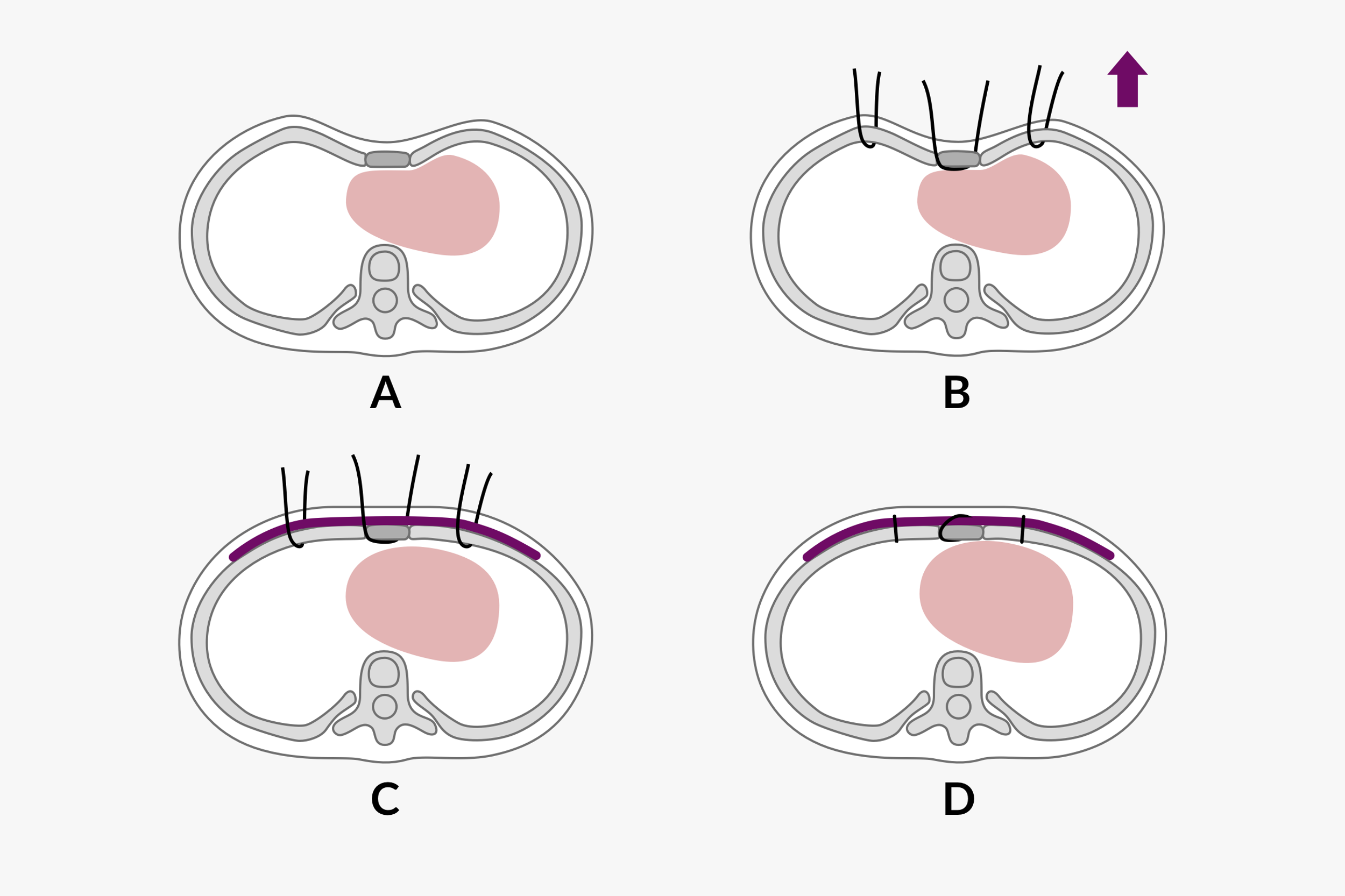
Now shift the lens to principles, not parts. The evolving Wang approach focuses on controlled sternal elevation, multiplanar correction, and distributed loads across the chest wall. Think pre-op 3D CT reconstruction to map depth and vector, then guided lift with better leverage before bar placement. Add low-profile implants with refined bar fixation to limit torque, plus targeted intercostal nerve blocks to calm early pain. In other words, the plan matches the shape. When you compare this to older playbooks for pectus excavatum surgery, the differences show up where patients feel them—faster walks, steadier sleep, and fewer “uh-oh” moments. And that changes your week, not just your scar.
What does this mean on the ground? Semi-formally: fewer unpredictable force peaks, smoother analgesia, and improved symmetry over time. You still need thoracoscopic visualization, careful bar contouring, and reliable fixation, but the correction becomes a system rather than a single push. Summing up the lessons so far without repeating them: design for stability, plan for comfort, and verify in motion. To choose well, use three evaluation metrics: 1) stability and re‑operation risk—bar migration and rotation rates plus fixation integrity; 2) recovery quality—pain scores (VAS), time to full breath and activity; 3) function and form—FEV1 trends and visible chest symmetry at follow‑ups. Pick the method that scores high on all three—your future self will thank you.